How to Teach English to a 5 Year Old

Are you wondering how to approach teaching English to your five-year-old? The most effective strategy is to weave language learning into daily life through play, stories, and simple routines. This method turns what could be a chore into a natural and joyful experience. For parents, understanding the core principles of how to teach english to a 5 year old is the first step toward building a strong bilingual foundation for their child, a process we have refined across lessons with thousands of young learners at LearnLink.
📥 Playtime English Starter Cards
A printable set of simple phrases and action words for teaching a 5-year-old English through play, routines, and short daily practice.
Leave your email — we'll send the PDF to your inbox.No spam — the PDF plus one short reminder. Unsubscribe anytime.
Why This Age Is a Golden Window for Language
At age five, a child's brain is incredibly receptive to new sounds and patterns. This neuroplasticity makes it an ideal time to introduce a second language. The goal is not formal grammar instruction, but immersion and positive association. A successful strategy for how to teach english to a 5 year old focuses on acquisition, much like they learned their first language. They absorb words and structures through context and repetition. The key to how to teach english to a 5 year old is consistency, not intensity. Short, daily interactions are far more effective than long, infrequent lessons. Remember, the core of how to teach english to a 5 year old is making English a part of their world. A positive early experience, which is central to a good kids English online course, prevents future learning anxiety.
Core Methods: Play vs. Structured Learning
Parents often ask whether to use games or more structured activities. Both have their place in a balanced approach. Play-based learning is foundational for this age group, using games, songs, and physical activities to introduce vocabulary. This is a very intuitive part of how to teach english to a 5 year old. Structured learning might involve short, 5-minute sessions with flashcards or a learning app. A comprehensive plan for how-to-teach-english-to-a-5-year-old integrates both. For example, you might use a flashcard for 'jump' and then play a game of Simon Says that uses the word. This combination solidifies understanding. The best method for how to teach english to a 5 year old is one that adapts to your child's mood and energy levels. The most important thing is that the process remains fun and engaging, which is a key part of our interactive English lessons for kids.
Top 5 English Learning Games and Activities
Games are the engine of language learning for a five-year-old. The best ones are simple, repeatable, and involve movement. Here are five activities that are central to how to teach english to a 5 year old at home.
- Simon Says: Perfect for teaching action verbs and body parts. It requires listening and physical response, a key principle in language acquisition. This game is a classic element of how to teach english to a 5 year old.
- I Spy: Builds vocabulary for objects and colors. Start with simple phrases like "I spy with my little eye, something red."
- Puppet Conversations: Using puppets can lower a child's anxiety about speaking. You can model simple dialogues like "Hello, what's your name?" This creative approach is a fantastic tool for how to teach english to a 5 year old.
- Treasure Hunt: Hide an object and give simple English clues to find it ("Look under the table"). This connects language to problem-solving.
- Singing Songs: Nursery rhymes like "Head, Shoulders, Knees, and Toes" are repetitive and link words to actions. This musical aspect is a joyful part of how to teach english to a 5 year old. You can find many fun games to learn English online as well.
Using Cartoons and Media Wisely
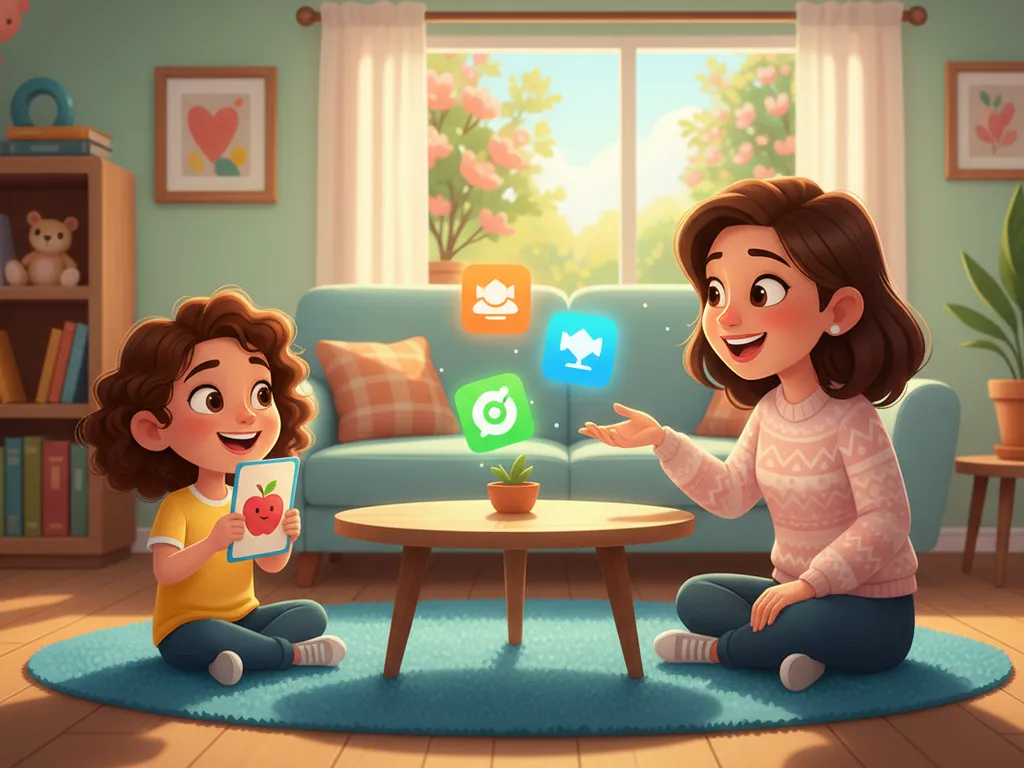
Screen time can be a powerful learning tool if curated correctly. The key to this aspect of how to teach english to a 5 year old is choosing the right content. Look for shows with clear, slow-paced speech, simple plots, and lots of repetition. Shows like 'Peppa Pig' or 'Bluey' are excellent because their episodes revolve around daily family life, introducing relevant vocabulary. A good strategy for how to teach english to a 5 year old is to watch with your child and repeat key phrases. This active co-viewing transforms passive screen time into an interactive lesson. Avoid fast-paced, complex shows that might overwhelm them. The entire process of how to teach english to a 5 year old through media should be about comprehension, not just exposure. This is a topic we often discuss when creating an English homeschool curriculum for kids.
Choosing the Best Learning Apps
Apps can supplement learning by offering structured practice in a gamified format. When choosing an app, we use three criteria: engagement, educational value, and ease of use. A good app should feel like a game, not a test. It should focus on foundational skills like phonics and basic English words for kids. This selection process is a critical part of how to teach english to a 5 year old. Ensure the app has minimal ads and a clear learning path. Our data shows that apps are most effective when used for short, 10-15 minute sessions. This focused approach is a smart component of how to teach english to a 5 year old. Below is a comparison of apps our team finds effective. Remember that any digital tool within the how to teach english to a 5 year old framework should support, not replace, human interaction. Good English reading for kids often starts with these foundational apps.
Common Mistakes to Avoid
When embarking on this journey, some common pitfalls can hinder progress. One major mistake is pushing for perfection too early. Correcting every error can create anxiety and discourage a child from speaking. A better approach within how to teach english to a 5 year old is to model the correct language. If they say "I go store," you can reply, "Yes, let's go to the store!" Another error is inconsistency. Sporadic lessons are less effective than short, daily habits. The discipline of how to teach english to a 5 year old relies on routine. Finally, avoid comparing your child's progress to others. Every child learns at their own pace. The entire philosophy of how to teach english to a 5 year old should be built on patience and encouragement. Focusing on these points will help if your child seems to understand English but not speak well.
Summary and Next Steps
Let's review the main points on how to teach english to a 5 year old:
- Keep it Playful: Use games, songs, and activities that your child genuinely enjoys. Learning should feel like fun, not work.
- Be Consistent: Aim for 15-20 minutes of English exposure every day. A consistent routine is more important than the length of each session.
- Use Media Actively: Watch simple cartoons together and talk about what's happening. Turn passive screen time into an interactive language lesson.
- Focus on Praise, Not Perfection: Encourage any attempt to speak English and model correct usage gently. Build their confidence first.
These steps provide a solid framework for developing confident bilingual skills. Following them is the essence of how to teach english to a 5 year old effectively.
For the child-development context behind this advice, American Academy of Pediatrics gives a broader reference point for parents.
Frequently Asked Questions
Should I Hire a Tutor for My 5-year-old?
This depends on your own confidence with English and your child's personality. A tutor can provide structured, one-on-one attention and authentic pronunciation. For many families, an online tutor makes learning more dynamic and provides a native speaker for conversation practice. Our afterschool English classes online are designed specifically for this purpose.
What Is the Most Important Skill to Focus on First?
For a five-year-old, the most important skill is listening comprehension. Before they can speak, they need to understand. Focus on exposing them to lots of spoken English through songs, stories, and simple instructions. This receptive skill is the foundation for everything else. This is a crucial first step in any plan for how to teach english to a 5 year old.
My Child Already Speaks Two Languages. Will a Third Be Confusing?
No, quite the opposite. Research shows that the brains of bilingual children are already primed for language learning. They often pick up a third language more easily because they have a more developed understanding of linguistic structures. The key is to keep the languages separate in context, for example, by having one parent speak one language or dedicating specific times of day for English.
How Many New Words Should We Learn Each Week?
There's no magic number. Instead of focusing on a specific word count, focus on themes. For one week, you might introduce words related to food during mealtimes. The next week, focus on animals while playing with toys. This contextual learning is more natural and effective than memorizing random lists from an elementary vocabulary list.
Ready to see these methods in action? Our certified tutors make learning fun and effective for young children — book a trial lesson with LearnLink and give your child the best start.