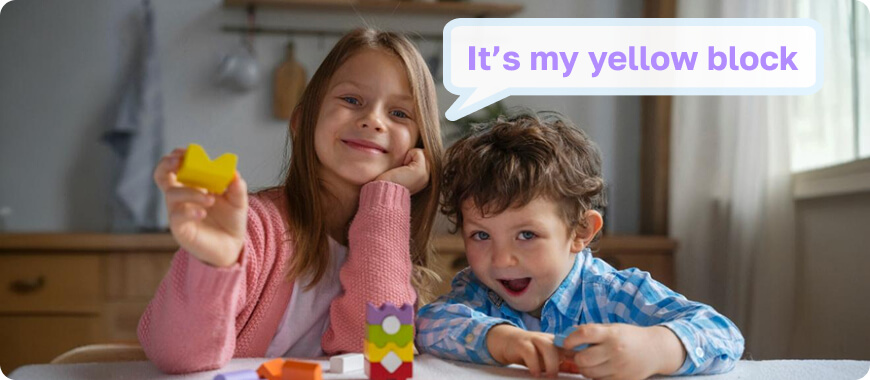
At first glance, “modal verbs” might sound like something reserved for grammar textbooks or exam prep—but in truth, your child is already using them every single day! When they ask, “Can I have a biscuit?”, promise “I will tidy my toys!”, or wonder “It might snow tomorrow!”, they’re speaking like natural English users.
Modal verbs are the secret helpers of the English language. They don’t just add grammar—they add meaning, politeness, possibility, and personality to sentences. For young learners, mastering just eight key modals—can, could, will, would, must, might, should, and have to—opens the door to expressing ideas far beyond simple facts. They can give advice, make polite requests, talk about dreams, follow rules, and even imagine being a pirate or a superhero!
At Learnlink, we know that grammar sticks best when it’s fun, visual, and connected to real life. That’s why we’ve created this practical, parent-friendly guide filled with clear explanations, playful activities, and ready-to-use examples—so you can support your child’s English journey with confidence, whether you’re a language expert or just starting out.
Let’s explore how these little words make a big difference in your child’s communication—and how you can turn everyday moments into joyful learning opportunities.
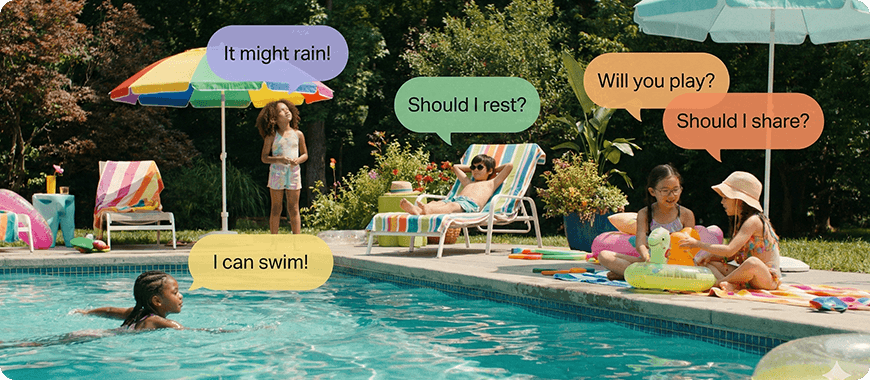
What Are Modal Verbs? A Simple Explanation for Kids
Modal verbs are special helper words that come before a main verb (like go, eat, or play) to add extra meaning. They never change form—you won’t see “cans” or “musts”—and they’re always followed by the base verb (without “to”).
For example:
- “She can swim.” (ability)
- “You should rest.” (advice)
- “We must leave now.” (obligation)
They help children say more than just facts—they express how they feel, what they believe, and what they imagine.
When to Use Modal Verbs
Modal verbs are not just grammar—they’re communication tools that help children express how sure they are, what they’re allowed to do, what they must do, or what they imagine. Here’s a closer look at when and why each function matters in everyday English:
Ability: Children use modals like can and could to talk about what they’re able to do physically or mentally (“I can tie my shoes”, “She could read at age four”). This builds confidence and self-expression.
- can
- could
Permission: Asking or giving permission is a daily part of family and school life. Using can, could, or may (“Can I have a snack?”, “You can watch 20 minutes of TV”) teaches polite interaction and boundaries.
- can
- could
- may
Obligation / Necessity: Rules at home or school often involve must or have to (“You must wash your hands”, “We have to wear seatbelts”). These modals help children understand responsibilities and safety.
- must
- have to
Advice / Suggestions: Giving or receiving gentle guidance uses should or ought to (“You should drink water”, “He should say sorry”). This supports emotional intelligence and problem-solving.
- should
- ought to
Possibility / Uncertainty: Talking about what might or could happen (“It might rain”, “She could be late”) helps kids manage expectations and develop flexible thinking.
- might
- could
- may
Future Intentions & Promises: Will is used for spontaneous decisions (“I’ll help you!”) or promises (“I will finish my homework”), which builds trust and accountability.
- will
Polite Requests & Offers: Would and could make language kinder (“Would you like some juice?”, “Could you pass the crayons?”), fostering empathy and social skills..
- would
- could
8 Essential Modal Verbs Every Young Learner Should Know
Can & Could – Abilities, Requests, and Possibilities
Can shows ability (“I can jump!”), asks for permission (“Can I play?”), or expresses possibility (“Anyone can join!”). Could is the past form (“She could read at four”) or a polite request (“Could you help me?”).
Negative: can’t / couldn’t
Question: Can you…? / Could you…?
Will – Promises, Decisions, and the Future
Will is used for spontaneous choices (“I’ll answer the phone!”), promises (“I will finish my homework”), or future facts (“Tomorrow will be sunny”).
Negative: won’t
Question: Will you…?
Would – Polite Requests and Imaginary Situations
Would soften requests (“Would you like juice?”) and explore imagination (“I would be a dragon!”). It’s perfect for games like “Would you rather…?”
Negative: wouldn’t
Question: Would you…?
Must & Have to – Rules, Obligations, and Necessity
Must often comes from personal or safety rules (“You must stop at red”). Have to refers to external duties (“I have to wear a uniform”).
Negative: mustn’t (forbidden), don’t have to (not necessary)
Question: Must you…? / Do you have to…?
Should – Giving Advice and Making Good Choices
Should offers gentle guidance (“You should rest”) or talks about what’s right (“He should apologise”).
Negative: shouldn’t
Question: Should I…?
Might – Talking About Uncertain or Possible Events
Might shows something is possible but not certain (“It might snow”). It teaches kids to express guesses politely.
Negative: might not
Question: Usually rephrased (“Do you think it might…?”)
Fun & Easy Activities to Teach Modal Verbs to Children
The best way for children to learn grammar isn’t through drills—it’s through play, imagination, and real-life situations. Modal verbs are especially well-suited to games because they’re all about choices, possibilities, rules, and wishes—things kids think about every day!
Here are five tried-and-tested activities you can try at home or in class:
“Superpower Challenge” with can and could
Ask your child: “If you had a superpower, what could you do?” Let them draw themselves flying, talking to animals, or turning invisible—and describe their powers using full sentences: “I can run faster than a train!” or “I could help lost puppies find their homes!”
“Future Vow” Cards Using will
Create simple promise cards together: “I will read one book this week,” “I will help set the table,” “I will be kind to my sister.” Decorate them, sign them, and display them on the fridge! This builds responsibility—and reinforces will as a tool for commitment.
“Would You Rather?” Game for Polite Choices
This classic game is perfect for practicing. Ask fun, imaginative questions: “Would you rather have a pet dragon or a robot dog?” or “Would you rather live on the moon or under the sea?” Encourage full answers: “I would choose a dragon because it could fly!”
“What Should I Do?” Advice Booth Role-Play
Set up a pretend advice stand (a chair, a sign, maybe a hat!). One child shares a silly or real problem (“I forgot my lunch!”), and the “advice giver” responds using should: “You should ask the teacher for a snack.” It’s playful, builds empathy, and makes should feel useful.
“Might Happen!” Weather & Adventure Predictions
Look out the window, watch a short video, or show a picture of a jungle, space, or a rainy street. Ask: “What might happen next?” Answers like “It might thunder!” or “They might find a treasure chest!” encourage creative thinking and natural use of might.
How to Practice Modal Verbs at Home – Tips for Parents
- Model correct usage: “You should wash your hands.”
- Ask open questions: “What can you do today?”
- Gently recast errors: if they say “He cans swim,” reply, “Yes—he can swim!”
- Read together and spot modals in stories.
Love Learning English? Try a Free Trial Class with Learnlink!
At Learnlink, we believe every child deserves to learn English in a way that feels joyful, safe, and meaningful. Our live online lessons are led by certified British English teachers who specialise in working with young learners. Through songs, stories, games, and gentle guidance, we help children understand grammar like modal verbs—not as rules to memorise, but as tools to express who they are.
Give your child the confidence to speak, ask, imagine, and connect in English. Spaces fill quickly—book your free trial lesson today and see how learning can feel like play!