12 Best Movies To Learn English For Kids
Using the 12 best movies to learn english for kids is an effective method for language acquisition that combines entertainment with education. This approach leverages narrative and visual context to help children absorb new vocabulary, understand pronunciation, and grasp sentence structures naturally. Unlike traditional drills, movies provide authentic language used in context, making the learning process engaging and memorable. Our team has curated this list to ensure that the content is not only linguistically beneficial but also age-appropriate and captivating for young learners across diverse cultural backgrounds. This list of the 12 best movies to learn english for kids is designed to be a practical tool for families everywhere.
How We Chose These Films for English Learning
Our selection process for this list of movies was guided by clear pedagogical principles. We analyzed dozens of popular animated and family films to identify those with the most value for language learners. Key criteria included clarity of speech, a pace that allows for comprehension, and the use of repetitive, high-frequency vocabulary. We also prioritized stories with strong visual cues that support the dialogue, helping children understand the meaning even if they don't know every word. The goal was to build a collection of the 12 best movies to learn english for kids that serves as a reliable resource for parents. These films offer more than just passive entertainment; they are a gateway to better English pronunciation exercises for kids.
The List of 12 Best Movies to Learn English for Kids
Here is our curated selection. Each film offers unique benefits, from expanding vocabulary to understanding complex emotions and social interactions. This list of the 12 best movies to learn english for kids provides many options to suit different ages and interests, ensuring that learning remains a fun adventure. We've found that integrating these films can supplement more structured learning, like exploring fun games to learn English for kids.
1. Toy Story — Teaches Friendship and Problem-solving
Best for: Early elementary
Where to watch: Disney+
What kids gain: Vocabulary related to toys, feelings (jealousy, friendship), and teamwork. The dialogue is clear, and the characters' motivations are easy to follow.
Plot summary: The story of toys that come to life when humans aren't around provides countless examples of conversational English, negotiations, and expressing emotions.
2. Finding Nemo — Introduces Marine Life Vocabulary

Best for: Early elementary
Where to watch: Disney+
What kids gain: much vocabulary about the ocean, animals, and family. The repetitive phrase "Just keep swimming" is a memorable and simple sentence structure.
Plot summary: A father clownfish's journey across the ocean to find his son introduces various characters with distinct accents and speaking styles, excellent for listening practice.
3. Paddington — Perfect for British English Exposure
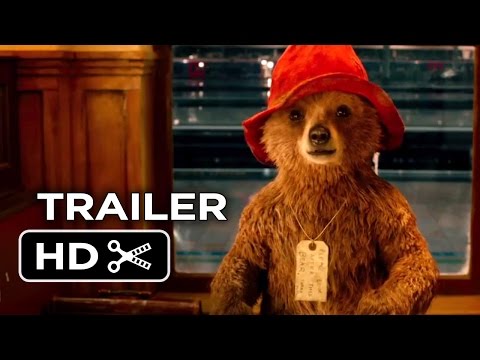
Best for: Elementary
Where to watch: Netflix
What kids gain: Exposure to clear, well-enunciated British English. Vocabulary centers on home, family, and city life, which is highly practical, similar to learning basic house vocabulary.
Plot summary: A polite bear from Peru travels to London. His interactions with the Brown family are full of gentle humor and common daily expressions.
4. The Lion King — Explores Themes of Responsibility

Best for: Elementary and upper elementary
Where to watch: Disney+
What kids gain: Vocabulary related to nature, family roles, and leadership. The classic songs are excellent for memorizing phrases and improving pronunciation.
Plot summary: This epic story uses powerful, though sometimes complex, language. The clear narrative of a young lion cub's journey to reclaim his kingdom is universally understood.
5. Inside Out — Great for Emotional Vocabulary
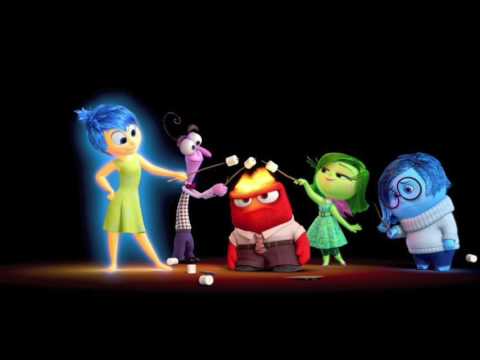
Best for: Upper elementary
Where to watch: Disney+
What kids gain: An extensive vocabulary for emotions (Joy, Sadness, Anger, Fear, Disgust). It helps children name and discuss their feelings in English.
Plot summary: The film visualizes a young girl's emotions as characters, making abstract concepts concrete and easier to discuss. This is one of the 12 best movies to learn english for kids for building emotional intelligence.
6. How to Train Your Dragon — Teaches Descriptive Language

Best for: Upper elementary and middle school
Where to watch: Amazon Prime Video
What kids gain: Rich descriptive adjectives and action verbs. The narration by the main character provides a clear model of storytelling.
Plot summary: A young Viking befriends a dragon, and their story is filled with adventure and dialogue about discovery, courage, and understanding differences.
7. Zootopia — Models Complex Social Conversations

Best for: Upper elementary and middle school
Where to watch: Disney+
What kids gain: Vocabulary related to jobs, society, and solving mysteries. The fast-paced dialogue is excellent for advanced listeners.
Plot summary: In a city of animals, a rookie bunny cop and a cynical fox con artist must work together. The film is packed with clever wordplay and essential social chunks.
8. Coco — Introduces Cultural Vocabulary
Best for: Elementary
Where to watch: Disney+
What kids gain: Words related to family, music, and traditions. The story's heart and memorable songs make language learning feel effortless.
Plot summary: A boy's journey into the Land of the Dead to discover his family history provides a rich, visually supportive context for the English dialogue.
9. The Incredibles — Focuses on Family Dynamics
Best for: Upper elementary
Where to watch: Disney+
What kids gain: Everyday conversational language within a family setting. It covers topics like school, dinner conversations, and sibling arguments.
Plot summary: A family of undercover superheroes tries to live a quiet suburban life, but is forced back into action. The dialogue is witty and relatively fast.
10. Moana — Teaches Directional Language

Best for: Elementary
Where to watch: Disney+
What kids gain: Vocabulary about nature, the sea, and navigation (e.g., "beyond the reef," "follow the stars"). The empowering songs are catchy and easy to learn.
Plot summary: The story follows a spirited teenager who sails out on a daring mission to save her people, providing a great context for action verbs and descriptive words.
11. Up — Strong Non-verbal Storytelling
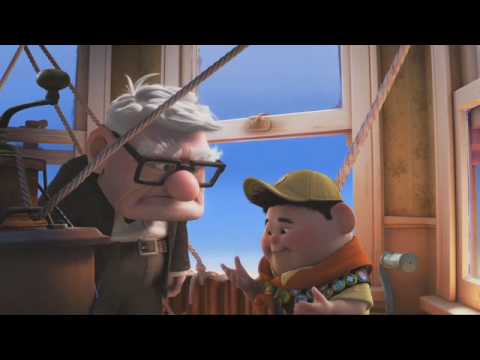
Best for: Preschool and early elementary
Where to watch: Disney+
What kids gain: The film has less dialogue than others, making it great for beginners. It relies on visual storytelling, allowing children to focus on key phrases when they appear.
Plot summary: An elderly widower and a young boy fly to South America in a house equipped with balloons. Their simple conversations are easy to follow and emotionally resonant.
12. Shrek — Full of Humor and Idioms
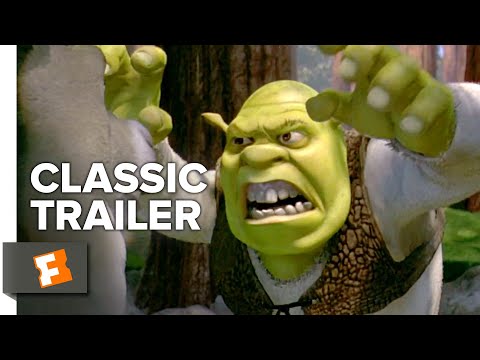
Best for: Middle school
Where to watch: Netflix, Hulu
What kids gain: Exposure to sarcasm, irony, and common English idioms. It's a fantastic choice for older kids ready for more nuanced language.
Plot summary: This satirical take on fairy tales follows an ogre on a quest. The dialogue is filled with jokes and cultural references that can spark interesting discussions.
Making Movie Time an Active Learning Experience
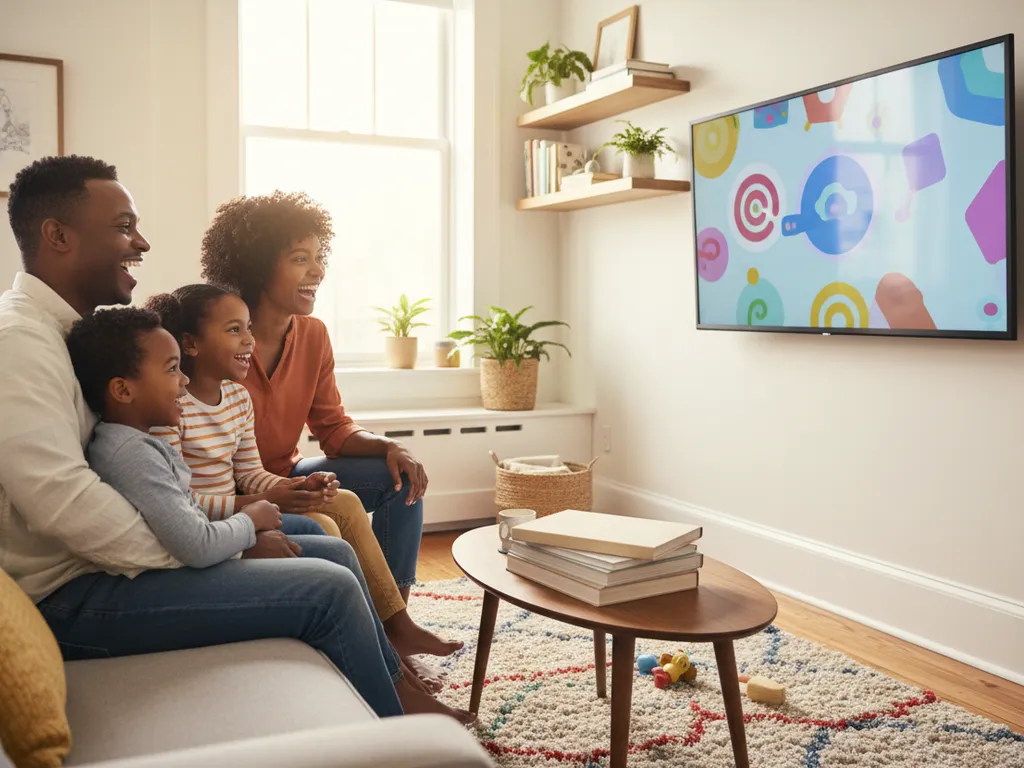
To maximize the educational benefits, movie time should be an active, not passive, experience. Watching together provides an opportunity to pause, discuss what's happening, and clarify new words. A great way to use the 12 best movies to learn english for kids is to turn on English subtitles. For beginners, this reinforces the connection between spoken and written words. For more advanced learners, it helps catch unfamiliar vocabulary. You can also turn movie watching into a game by asking your child to spot certain objects or repeat a funny line. This transforms a simple viewing into a powerful session for English reading for kids. Remember, the goal is to make it a regular, enjoyable part of your routine. Using the 12 best movies to learn english for kids should feel like fun, not a chore.
Another effective strategy is to focus on repetition. Children learn language through repeated exposure. Don't be afraid to watch a favorite movie multiple times. With each viewing, they will pick up more nuances, vocabulary, and sentence patterns. You can also use clips from the movie to create short listening exercises. For example, play a one-minute clip and ask your child to summarize what they understood. This active recall is crucial for moving words from short-term to long-term memory. This active engagement with the 12 best movies to learn english for kids is what truly accelerates language acquisition and builds lasting confidence.
When Subtitles, Dubbing, and Pauses Help
English subtitles can connect sound and spelling, especially from age 8 upward. For younger children, subtitles may distract from listening. Try five minutes with subtitles and five minutes without, then see which choice keeps your child with the story.
If your child is new to English, watching first in the home language and later in English is fine. Familiarity lowers stress. This is one reason English movies for kids work for multilingual families: the story can be shared across languages while English grows step by step.
Summary and Next Steps
Using movies is a powerful and engaging way to support a child's English learning journey. The list of the 12 best movies to learn english for kids provides a solid starting point for families anywhere in the world. To get the most out of this resource, it's important to be strategic. The 12 best movies to learn english for kids are tools, and how you use them matters.
- Watch Actively, Not Passively: Pause the movie to discuss new words, ask questions about the plot, and connect the story to your child's own life.
- Use English Subtitles: Subtitles help bridge the gap between spoken sounds and written words, improving both listening and reading skills.
- Embrace Repetition: Re-watching favorite films reinforces vocabulary and grammar in a natural, low-pressure way. Children often learn the most from the familiar.
- Connect to Other Activities: Extend the learning beyond the screen. Discuss the movie's characters, draw scenes from the story, or act out a favorite part.
These steps help transform passive screen time into an active, effective language lesson. By integrating these films into your routine, you can significantly enhance your child's exposure to authentic English.
🎯 Not sure where your child stands?
Answer 5 questions about your child (4–15) and get a level guide — from Pre-A1 to B1 — with what to practise next.
Take the 2-minute quiz
Takes about 2 minutes. The result is a guide, not a formal assessment.
Frequently Asked Questions
Are English Subtitles Helpful When Using Movies to Learn?
Yes, absolutely. For younger children or beginners, English subtitles help connect spoken words to their written form. For intermediate learners, they can clarify fast dialogue and introduce new vocabulary. The key is to use them as a tool, not a crutch. We recommend them for all of the 12 best movies to learn english for kids.
How Often Should We Watch Movies for Language Learning?
Consistency is more important than duration. Watching one or two movies per week, or even a 20-minute segment several times a week, is very effective. This regular exposure helps keep the language fresh in a child's mind. The goal is to make it a sustainable part of your family's routine.
My Child Is a Beginner. Will They Understand These Movies?
This is a common concern. For absolute beginners, start with films that have strong visual storytelling and simpler dialogue, like 'Up' or 'Finding Nemo'. Watch together and pause to explain key scenes. The visual context provides many clues to the meaning, and children often understand more than we expect. The 12 best movies to learn english for kids list includes options for all levels.
Can Movies Replace Formal English Lessons?
Movies are a fantastic supplement, but they cannot fully replace structured learning. They are excellent for building listening skills, vocabulary, and an intuitive feel for the language. However, formal lessons with a tutor are essential for practicing speaking, receiving personalized feedback, and learning grammar rules explicitly. Think of movies as the practice field and lessons as the coaching sessions.
What Should I Do If My Child Gets Bored or Distracted?
If a child loses interest, it's best not to force it. Perhaps the movie is too advanced, or the topic isn't engaging for them. Try another film from the list, or simply take a break. You can also try watching in shorter segments. The goal is to maintain a positive association with learning English, so keeping it fun is the top priority.
Movies are a fantastic start. To take the next step with structured, one-on-one guidance from an expert tutor,. Our approach helps children apply what they hear in a fun, interactive setting — book a trial lesson with LearnLink.