Action Verbs in English for Kids
Children remember action verbs faster when they hear, do, and say the action together: “stand,” “open,” “wash,” “I can run.” For beginners, 10 to 15 high-frequency verbs cover one week of practice. Action verbs in English for kids work best in short sentence frames, not isolated lists: “I open the box,” “She washes her hands,” “We read after dinner.” This guide shows home practice through movement, routines, pictures, and short stories.
📥 Action Verbs Kids Can Practice
Act, say, and check off useful English verbs for home and lessons.
Leave your email — we'll send the PDF to your inbox.No spam — the PDF plus one short reminder. Unsubscribe anytime.
What Families Need to Know
Action verbs fit children because they link speech with movement. When a young beginner hears “clap” and claps, the word gains meaning. When an older child says “I compared two pictures,” the verb helps explain an idea, not just name an object.
Start with verbs children can see and do: sit, stand, move, open, close, eat, drink, draw, read, sleep. Later, add school and thinking verbs: explain, choose, compare, describe, solve, predict, remember, agree.
In focused lessons, action verbs in English for kids become working language. The goal is not a list. The goal is verb use in phrases, short answers, stories, games, and everyday talk.
Start with Verbs a Child Can Act Out
Keep the first set small. Ten to fifteen verbs are enough for a week at home. Choose words from your child’s day: wake up, brush, wash, eat, go, play, read, write, help, clean, listen, look, stop, wait, sleep.
Use one verb at a time in a full command or sentence. Say “Open the door,” not only “open.” Say “You are drawing a cat,” not only “draw.” Children learn faster when the verb sits inside a phrase.
For multilingual children, keep the home language. A short bridge can help: “In Spanish you say correr; in English we say run.” Then return to English and act it out. The bridge should stay brief.
Useful Verb Groups for Home and Lessons
Families often ask for one long list, but children remember verbs by use. A group gives the child a mental shelf: body actions, home actions, school actions, play actions, and thinking actions.
The table below gives a direct way to choose verbs by level. It is not a test ladder. A younger child may know advanced verbs, and an older beginner may still need basic movement words.
This grouping helps parents choose natural practice. If your child likes movement, start with body actions. If your child enjoys stories, use find, hide, look, ask, answer, carry, and bring.
How to Use Action Verbs at Home
Keep practice short and regular. Five minutes after school can do more than a long weekend drill. Pick three verbs for a real routine: “Wash your hands,” “Open your bag,” “Put the book on the table.”
Then move from commands to sentences. A command checks understanding, but a sentence builds speech. Say, “I open the window. Now you say it: I open the window.” Later change the person: “Dad opens the window,” “My sister opens the window.”
For action verbs in English for kids, repetition needs a small change each time. “Hop” can become “hop high,” “hop three times,” “hop like a robot,” or “Can you hop and clap?” The word stays familiar while the task stays fresh.
Home Practice: Three-minute Action Chain
Choose five verbs and make a chain: “stand up, clap, turn around, touch the table, sit down.” Do it once while your child watches, once together, and once with your child leading. Older children can write the chain, then change two verbs and read it aloud.
Examples by Age
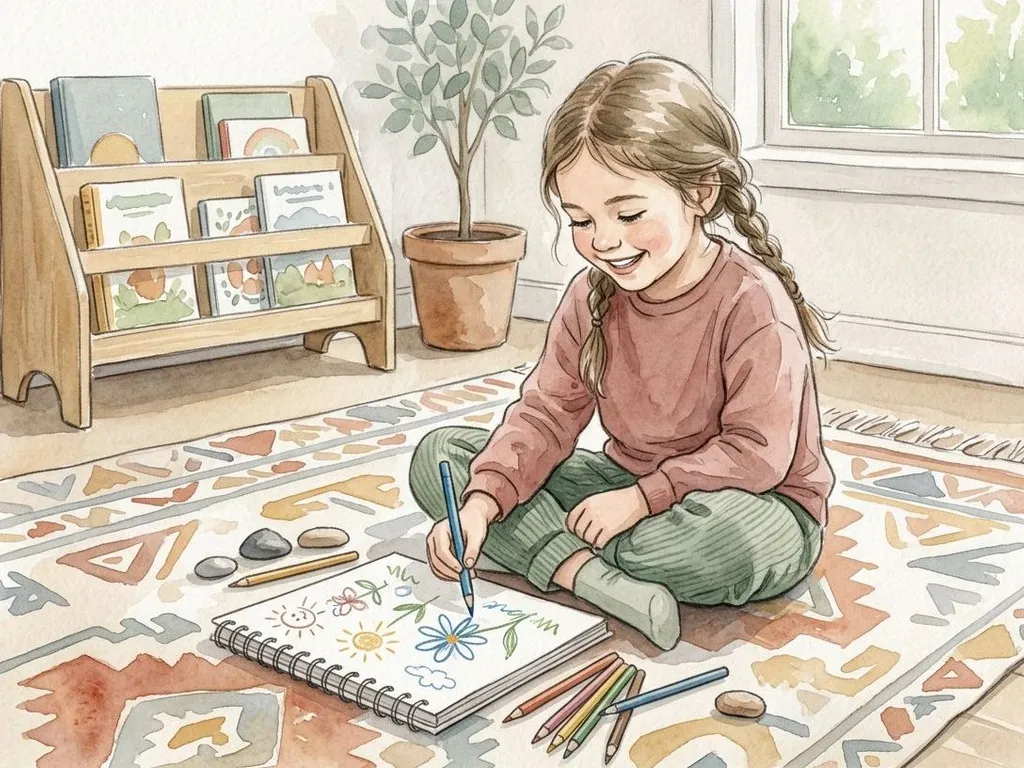
For school-age kids, use verbs with movement, toys, pictures, and songs. Strong verbs include hop, run, stop, go, sleep, eat, drink, open, close, draw, push, pull, and find. Use short patterns: “I can run,” “The dog runs,” “Open the box.”
For school-age kids, add school, hobbies, and short stories. Useful verbs include read, write, count, spell, ask, answer, make, build, choose, carry, bring, look for, and talk about. Children can start using past forms in real stories: “Yesterday I played,” “She found a shell.”
For school-age kids, action verbs should support clearer thinking and longer speech. Add explain, compare, describe, plan, decide, improve, practise, check, agree, disagree, and suggest. A teen beginner still needs basic verbs, but examples should fit the child’s age: projects, sports, music, travel, family plans, and online lessons.
Common Grammar Patterns with Action Verbs
Children do not need every grammar rule at once. They need a few strong sentence frames. Start with “I can,” because it works with many verbs: “I can swim,” “I can draw,” “I can read.” Then use the present simple for routines: “He plays football,” “We eat lunch at one.”
After that, add the present continuous for actions happening now: “She is running,” “They are building a house,” “I am writing my name.” This helps children describe pictures, videos, and live actions in an online lesson.
Past forms need care because English has regular and irregular verbs. Teach frequent pairs: play-played, hop-hopped, go-went, eat-ate, make-made, read-read. With action verbs in English for kids, practise a few past verbs in stories before large charts.
Practical Activities That Do Not Feel Like Drills
Try “verb detective” during a picture book. Ask, “What is the girl doing?” Your child can answer with one word first: “running.” Then build the sentence together: “She is running.” Older children can find five action verbs on one page and retell the scene.
Use a family routine as a mini lesson. Cooking gives you mix, cut, pour, stir, taste, wash, and clean. Tidying a room gives you pick up, put away, fold, carry, move, and close. These words matter because the child can use them tomorrow.
Games help too. Play charades, but require a sentence after the guess: “You are swimming.” “No, I am flying.” For older children, use two verbs in one sentence: “He opened the door and found a map.” This turns action verbs in English for kids into story language, not only movement words.
- Try five kitchen verbs with school-age kids while stirring, pouring, and tasting.
- Practice eight playground verbs by asking your child to jump, climb, and spin.
- Use one picture book to spot ten action verbs before bedtime.
- Act out six animal verbs, then let your child give commands.
- Review three new verbs tomorrow during a two-minute movement game.
For the rule wording, Wikipedia — English Grammar is a useful reference while the practice examples here stay adapted for children.
Frequently Asked Questions
How Many Action Verbs Should My Child Learn First?
Start with 10 to 15 verbs your child can use the same week. For a young beginner, choose movement and routine verbs such as hop, sit, eat, wash, open, close, play, read, and sleep. Add more only when your child understands and uses the first set in short phrases. A small active list beats a large passive list.
Should We Teach Verbs as Single Words or Full Sentences?
Use both, but do not stop at single words. A child may understand “run,” yet struggle to say “I can run” or “She is running.” The sentence frame gives the verb a job. For action verbs in English for kids, useful first frames are “I can…,” “I am…,” “He is…,” and “We… every day.”
What If My Child Mixes English Verbs with Another Language?
Mixing is common in multilingual homes and is not failure. Model the English sentence back: if your child mixes languages, answer with the full English version. Keep the correction short and warm. The aim is steady use, not perfect control in one day.
When Should Children Learn Irregular Past Verbs?
Teach irregular past verbs when they appear in real stories or daily talk. Start with common verbs such as went, ate, saw, made, found, and had. Use short personal sentences: “We went to the park,” “I ate rice,” “She found her toy.” Avoid long irregular verb tables for young beginners; they work better after the child has heard the forms many times.
- Start with 10 to 15 verbs your child can act out this week.
- Practise each verb in a sentence, not only as a single word.
- Use routines, pictures, stories, and games so the same verbs return in different contexts.
A short one-to-one lesson can show what level and pace fit your child — book a free English lesson.
Stay updated on our latest tips and resources by following us on Instagram LearnLink.