Alphabet and Spelling Games for Kids
Alphabet Spelling Games for Kids: A Practical the child for Families uses short, playful routines to connect letter names, sounds, shapes, and written words. Children practise with paper cards, household objects, magnetic letters, or spoken clues. Instead of testing the full alphabet, help your child notice letters, recall them, and use them in words. Five to ten focused minutes fit family life, especially for beginners or multilingual children.
📥 Alphabet and Spelling Games for Kids
A print-and-play practice sheet for letter recognition, sounds, and spelling
Leave your email — we'll send the PDF to your inbox.No spam — the PDF plus one short reminder. Unsubscribe anytime.
What Families Need to Know
Alphabet knowledge includes distinct skills. A child may call a letter “B” without connecting it to the first sound in “bag.” Another may hear the sound but reverse b and d. Spelling games should combine seeing, saying, hearing, choosing, and writing.
Alphabet Spelling Games for Kids: A Practical the child for Families works best when adults separate these skills before combining them. Ask for one sound, letter, or spelling at a time. Then build a chain: “Hear /m/. Choose m. Say moon. Spell moon.” The chain clarifies the task and reveals where help is needed.
Start with Sound, Name, and Shape
Teach letter names for spelling discussions: “Cat begins with C.” Teach frequent sounds for reading and word-building: “C can make the first sound in cat.” English letters may represent different sounds. The letter c changes between cat and city, while /f/ appears in fish, phone, and laugh.
Letter shape matters. Ask your child to trace a letter in the air, build it with string, or find it on packaging. Pair uppercase and lowercase forms: A–a, G–g, R–r. Highlight visually different pairs such as G–g or Q–q instead of expecting children to infer the link.
A Home Routine That Stays Manageable
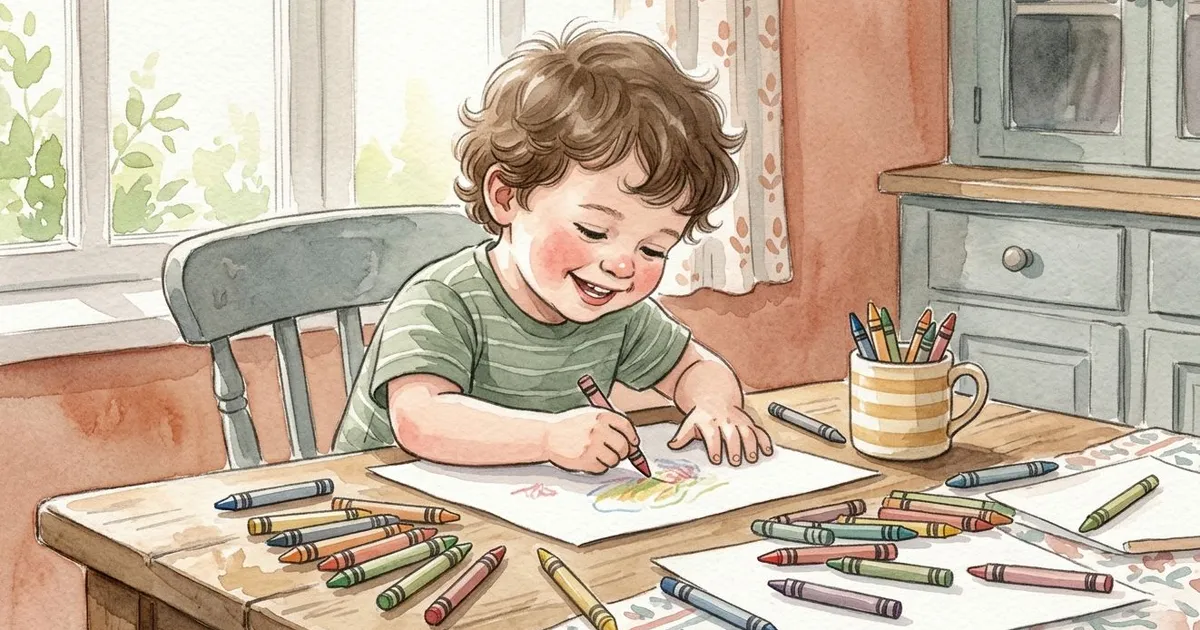
Choose three to five letters or one small word family per session. Start with an easy success, add one challenge, and finish with familiar material. Use this routine: review two known letters, explore one new pattern, play one game, and spell two words from memory.
Use words from daily life: names, foods, toys, places, and favourite activities. Alphabet Spelling Games for Kids: A Practical the child for Families can start with a child’s name, then expand to bus, red, milk, park, and swim. Varied words prevent memorisation of one sequence and teach children to apply letters elsewhere.
Examples for Different Ages
Alphabet Spelling Games for Kids: A Practical the child for Families should develop with the learner. A 5-year-old may match one sound to a letter; a 13-year-old can compare action, station, and information. Games still suit older learners when words and decisions match their age.
For a multilingual child, check which letter names belong to each language. Alphabets may share shapes but assign different names or sounds. Treat the distinction as language knowledge: “That is the name in Spanish; in English we say it this way.” Let the child compare both systems.
Practical Games with Simple Materials
Rotate activities before responses become automatic. Each game should require a choice, letter recall, or word-building. Reciting A to Z practises sequence, but does not prove that a child can identify G alone or use it in spelling.
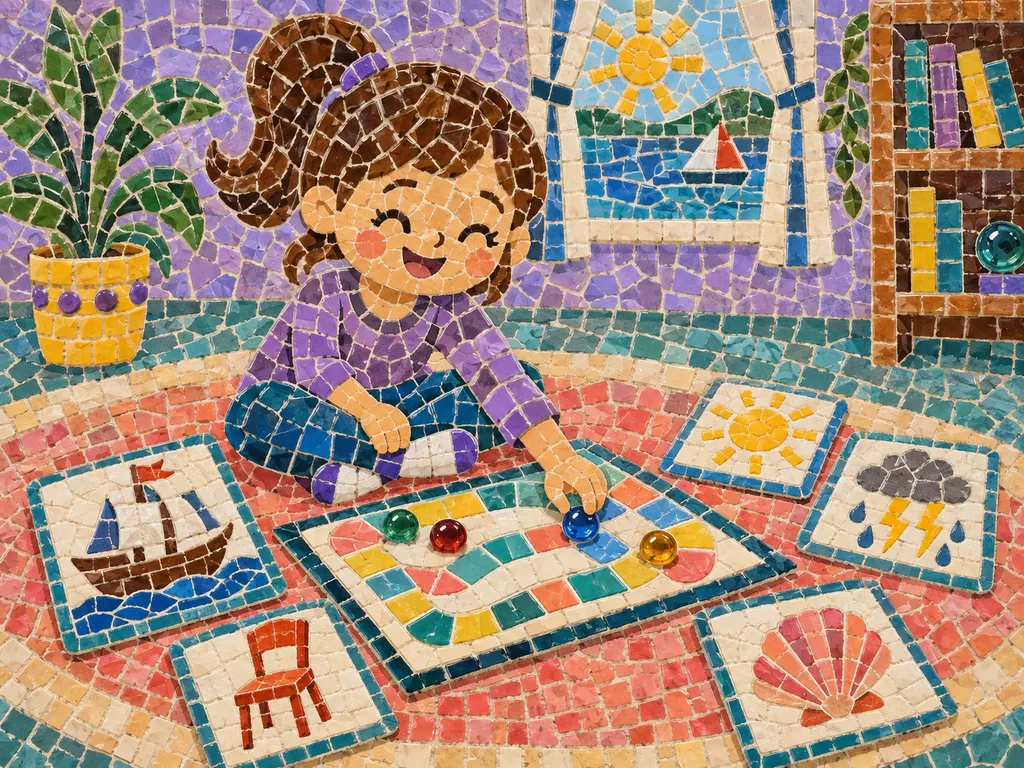
- Letter hunt: Name a letter or sound and ask your child to find it on three objects, labels, or book covers.
- Mystery bag: Place small objects in a bag. The child chooses one, names it, and selects its first or final letter.
- Word ladder: Change one letter at a time to make a new word, such as cat–cut–cup–cap.
- Sound sorting: Sort picture cards by their first sound. Include one item that does not belong and ask for an explanation.
- Missing-letter race: Write words with one gap—f_sh, b_ke, h_me—and offer two possible letters.
- Spelling detective: Put one plausible error in a sentence. The child finds it, corrects it, and explains the clue.
Practice: Change One Letter
Change one letter in each word to match the clue: cat → an object worn on the head; sit → the opposite of miss; hot → something used for cooking. Answers: hat, hit, pot.
Practice: Complete the Spelling
Add the missing letter or letters: _un, sh_p, trai_, sm_le, bec_use. Then read each completed word aloud. Answers: sun, shop or ship, train, smile, because.
After selected answers, ask: “What sound helped you?” or “Which part did you already know?” Alphabet Spelling Games for Kids: A Practical the child for Families works best when children explain choices instead of guessing until an adult agrees.
How to Correct Mistakes Without Stopping the Game
Correct one feature at a time. If a child writes “jumpt,” recognise the accurate sounds, then explain the written past-tense ending -ed: “You heard the final /t/ sound. In writing, we use jumped.” For multiple wrong letters, model the word, cover it, and request another attempt from memory.
Do not rely on repeated copying after an error. Put the corrected spelling into a new decision: choose between two options, build it with cards, or use it in a sentence. Across LearnLink lessons, our tutors can identify needs involving sounds, letter formation, word patterns, or memory.
- Use a gentle hint, then let children aged five to seven retry.
- Praise correct letters before briefly modeling the mistaken sound again.
- Pause after three errors and switch to an easier familiar word.
- Keep turns under thirty seconds to preserve momentum and reduce frustration.
- Practice corrections with one favorite picture book during tonight’s family game.
For extra child-friendly songs, games, or stories around the same skill, Reading Rockets — Reading Resources is a useful companion resource.
Frequently Asked Questions
How Long Should an Alphabet Spelling Game Last?
For a young child, five to ten minutes supports one focused activity. Stop while attention and responses remain strong. Older children may work for fifteen minutes when a game has multiple rounds or a writing challenge. Short, regular practice is easier to sustain than one long weekly session. Finish with a word the child can spell independently.
Should My Child Learn Letters in Alphabetical Order?
Alphabetical order helps with dictionaries, indexes, and organised lists, but reading and spelling require more. Children must recognise letters outside the A-to-Z sequence. Mix familiar and new letters, choosing those that form short words. A child can use m, a, t, and s to build mat, sat, and Sam.
What If My Multilingual Child Uses Letter Names from Another Language?
Acknowledge the name in that language, then state the English form. Compare both without calling either a mistake: “This shape appears in both alphabets, but its name or sound changes.” Use separate rounds when switching becomes tiring. Colour-coded cards can mark which pronunciation belongs to the English activity.
Should I Correct Every Spelling Mistake Immediately?
Correct errors tied to the game’s purpose. If the focus is the first sound in fish and your child chooses f, the response succeeds even when the word remains incomplete. For full spelling, show the standard form and request one fresh attempt. Too many simultaneous corrections can obscure the target pattern.
Are Alphabet Games Useful for Children Over Nine?
Yes, when the task matches the learner’s age. Alphabet Spelling Games for Kids: A Practical the child for Families can progress from letter matching to word roots, silent letters, borrowed words, homophones, and editing. A teenager might sort science terms by suffix or distinguish there, their, and they’re. The game remains a structured spelling challenge instead of a preschool alphabet drill.
Start your child's English journey today — book a trial lesson with LearnLink.
Stay updated on our latest tips and resources by following us on Instagram LearnLink.