Animal Vocabulary Worksheet for Kids
An Animal Vocabulary Worksheet for Kids pairs animal words with short tasks that help a child recognise, say, read, and use each name. This worksheet covers familiar pets, farm animals, wild animals, and water animals. Use it on paper or aloud without printing. Start with six to eight words; add more when your child recalls them unaided. For children who speak two or more languages, animal names bridge languages because meaning stays constant while words change.
📥 Animal Vocabulary Worksheet for Kids
Read, match, sort, describe, and use animal words with confidence.
Leave your email — we'll send the PDF to your inbox.No spam — the PDF plus one short reminder. Unsubscribe anytime.
What Families Need to Know
Knowing an animal word requires more than matching a picture. Children gradually learn to understand, pronounce, recall, and use the word in a sentence. These skills develop separately. A five-year-old may name “tiger” from a picture; an older child can describe its habitat and diet.
Use the Animal Vocabulary Worksheet for Kids as a teaching sequence, not a one-time test. Begin with animals familiar from home, books, or films. Introduce unfamiliar species through photographs. Do not assume every child has visited a farm, kept a pet, or seen identical wildlife. A brief explanation gives each learner a fair starting point.
Ready-to-Use Animal Vocabulary
Start with these core words and short examples before adding more specific vocabulary.
The dog runs in the park.
The cat sleeps on the chair.
The rabbit eats a carrot.
The bird sings in the tree.
The fish swims fast.
The horse lives on a farm.
The cow eats grass.
The duck walks near the pond.
This 24-word set gives young learners a practical base. Categories organise the words, though animals may fit multiple settings. A rabbit, for example, may be a pet or farm animal. That overlap prompts conversation.
Before using the Animal Vocabulary Worksheet for Kids, identify secure words. Show or say each name once, then ask your child to point, name, or describe it. Mark known words and focus on six unfamiliar ones. Focused practice avoids a long memory test.
How to Use the Worksheet at Home
Keep the first session to about ten minutes. Say each chosen word aloud, let your child watch your mouth, and request one natural repetition. Then mix the pictures or written words and ask, “Where is the elephant?” Recognition precedes unaided recall, so pointing counts.
The next day, reverse the task. Show a picture and ask, “What is this?” If your child pauses, give the first sound, not the answer. Once recalled, add a sentence frame: “It is a ___,” “The ___ can swim,” or “I like ___s.” Recall with less help strengthens access more than repeated copying.
The Animal Vocabulary Worksheet for Kids supports a multilingual child. Ask for the animal name in another language, then return to English for the sentence. Comparing languages helps the child connect English vocabulary with stored knowledge; it is neither a mistake nor a distraction.
Examples and Goals by Age
Age changes the task more than the word list. One dolphin picture can prompt naming, sentence building, or habitat discussion. Choose a level that requires effort but permits success with a clue.
Do not increase prompt difficulty solely by age. A first-time online learner may need time to understand spoken instructions despite familiar animal vocabulary. Model one answer, complete one together, then request an independent response. LearnLink tutors adjust language load while keeping ideas age-appropriate.
Practical Activities for Recall and Speaking
Animal vocabulary gains value when children choose, move objects, and speak with purpose. For a home safari, place pictures around one room and give clues such as “Find an animal with wings” or “Find an animal that lives in water.” Older children can write clues, swap them with a family member, and check that each has only one answer.
Four-part Animal Worksheet
1. Match: Write the animal beside each clue: dog, fish, lion, bird. “It has feathers.” “It lives in water.” “It can bark.” “It is a large wild cat.”
2. Sort: Put these words into pet, farm, wild, or water groups: hamster, cow, bear, octopus, horse, cat, whale, tiger.
3. Complete: Finish the sentences: “A frog can ___.” “A giraffe has ___.” “A dolphin lives ___.”
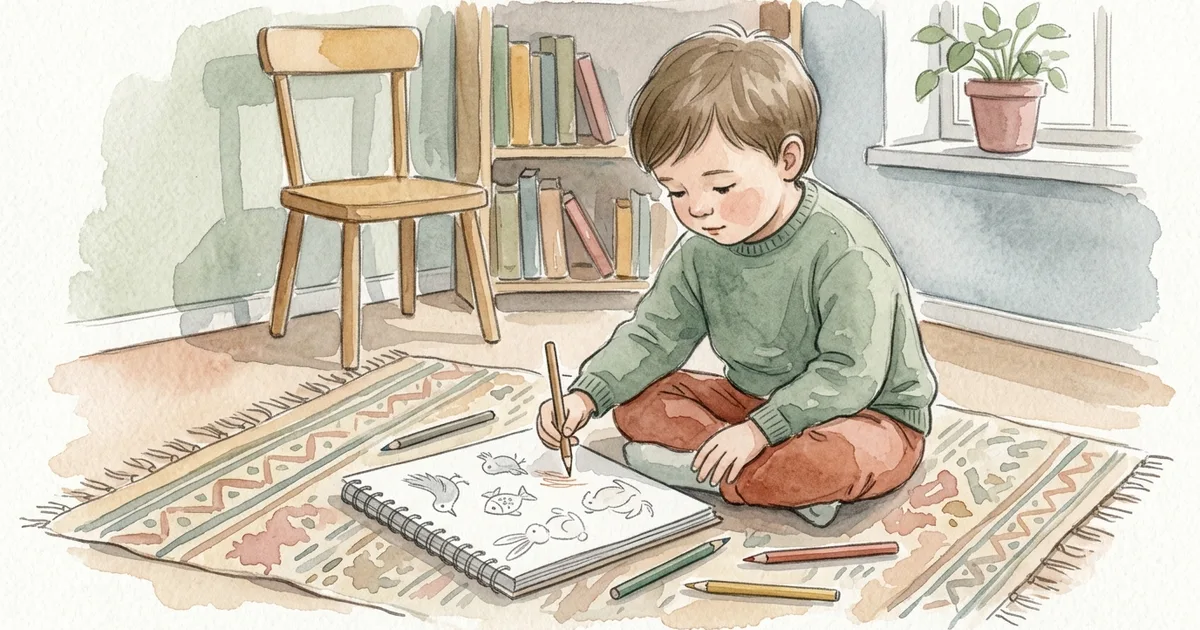
4. Create: Draw one real or imaginary animal. Label three body parts and write two sentences about its habitat or abilities.
Answer check: 1. bird, fish, dog, lion. 2. Pet: hamster, cat; farm: cow, horse; wild: bear, tiger; water: octopus, whale. Accept any accurate wording for tasks 3 and 4.
Repeat the Animal Vocabulary Worksheet for Kids after two or three days, changing the order and reducing support. A child might first choose from four written words, then answer without choices. Stop while attention remains strong. Brief rounds across a week work better than one long session filled with corrections.
When a word has several meanings or pronunciations, Cambridge Dictionary is a useful check before turning it into child-friendly examples.
Frequently Asked Questions
How Many Animal Words Should a Child Learn at Once?
For beginners aged five to nine, six to eight new animal words suit one short session. Use fewer when pronunciation and sentence building are new. Older or experienced learners may handle ten to twelve. Add a set when your child recalls most animals after a short gap, not immediately after hearing them.
Should We Correct Every Pronunciation Mistake?
Correct errors that obscure the animal word, but do not interrupt every sentence. Model the word, request one new attempt, and continue. If “sheep” sounds like “ship,” contrast the two words slowly. Praise the improved attempt instead of demanding repetition. Young learners need an accurate model and confidence to speak.
Can We Use the Child’s Other Languages During Practice?
Yes. Another language can confirm meaning and reduce confusion when an animal is unfamiliar. Ask for the known word, supply the English word, then use English for the final phrase or sentence. The goal is to retrieve the English animal name when the task or conversation requires it, not block other languages.
How Often Should We Repeat the Worksheet?
Use the Animal Vocabulary Worksheet for Kids two or three times over a week, leaving a short gap. Change one element each time: hide the vocabulary, shuffle the order, add spoken clues, or request a sentence. If most answers remain secure a week later, begin a new animal set and retain a few older words in the next game.
A short one-to-one lesson can show what level and pace fit your child — book a free English lesson.
Stay updated on our latest tips and resources by following us on Instagram LearnLink.