Best TV Shows to Learn English for Kids
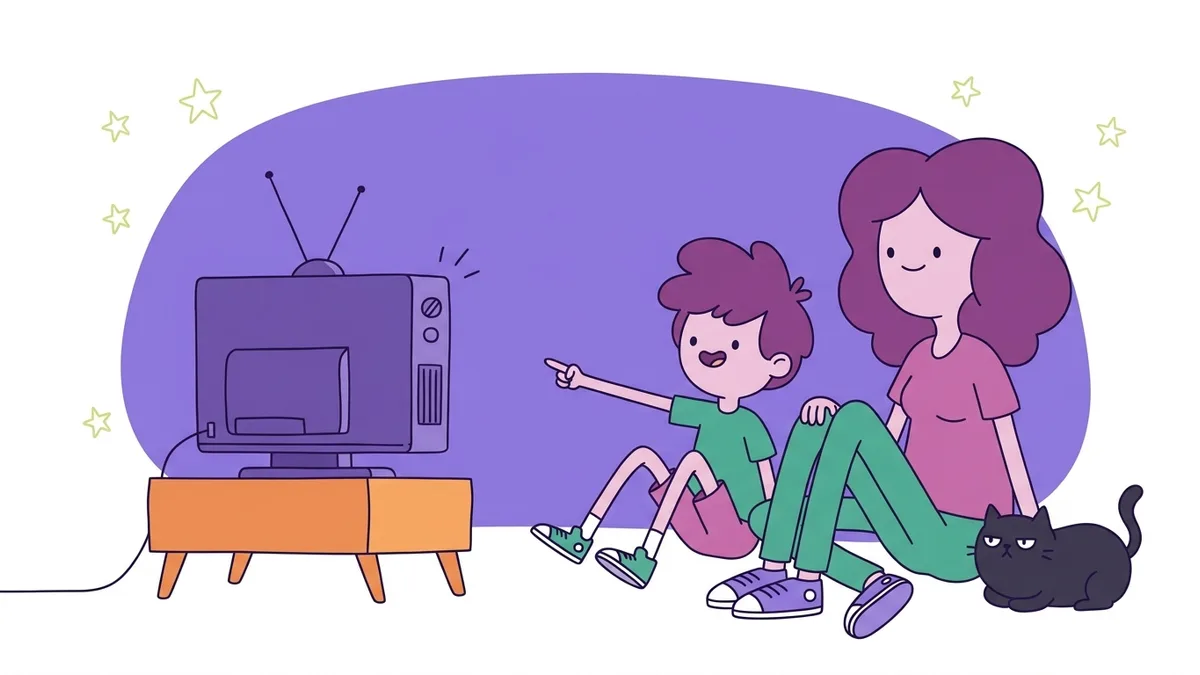
The best tv shows to learn english for kids give children authentic pronunciation, natural conversation speed, and visual context that makes new vocabulary intuitive. Chosen well and paired with structured learning, they turn passive screen time into active language building. This guide shows parents how to pick the right shows and watch them so children actually absorb the language.
📥 Kid-Friendly TV English Phrase Cards
A printable vocabulary set for learning useful English from children’s TV shows
Leave your email — we'll send the PDF to your inbox.No spam — the PDF plus one short reminder. Unsubscribe anytime.
Why Using TV Shows to Learn English Matters
Used well, screen time is a strong tool for acquisition: it connects words to actions, emotions, and consequences inside memorable stories. Unlike flashcards, shows present words in context, which improves memory and comprehension for young learners. Children watching age-appropriate English content build a sharper ear for pronunciation, rhythm, and intonation — the listening foundation essential for improving English for kids. Research from the Cambridge English team reaches the same conclusion: video paired with active tasks beats passive watching.
What You'll Find in This Guide
You'll learn to judge a show by age and English level, use active-watching techniques, and fit short viewing sessions into a daily routine. We cover the difference between passive and active viewing and how to shift toward the latter — the method that engages your child and speeds up progress. It pairs well with the best English learning apps for kids.
A Step-by-Step Approach to Choosing Shows
Work through three checks. First, complexity: look for clear, slow-paced dialogue, repetition, and vocabulary from a child's world (colors, animals, family, feelings). Second, visual support: can your child follow the action without the words, and do the visuals match what's spoken? That link drives comprehension. Third, subtitles: use English captions, not your native language, so spoken words connect to their written form and feed early English reading for kids. This framework moves you past popular picks to shows that fit your child.
Practical Examples for Different Age Groups
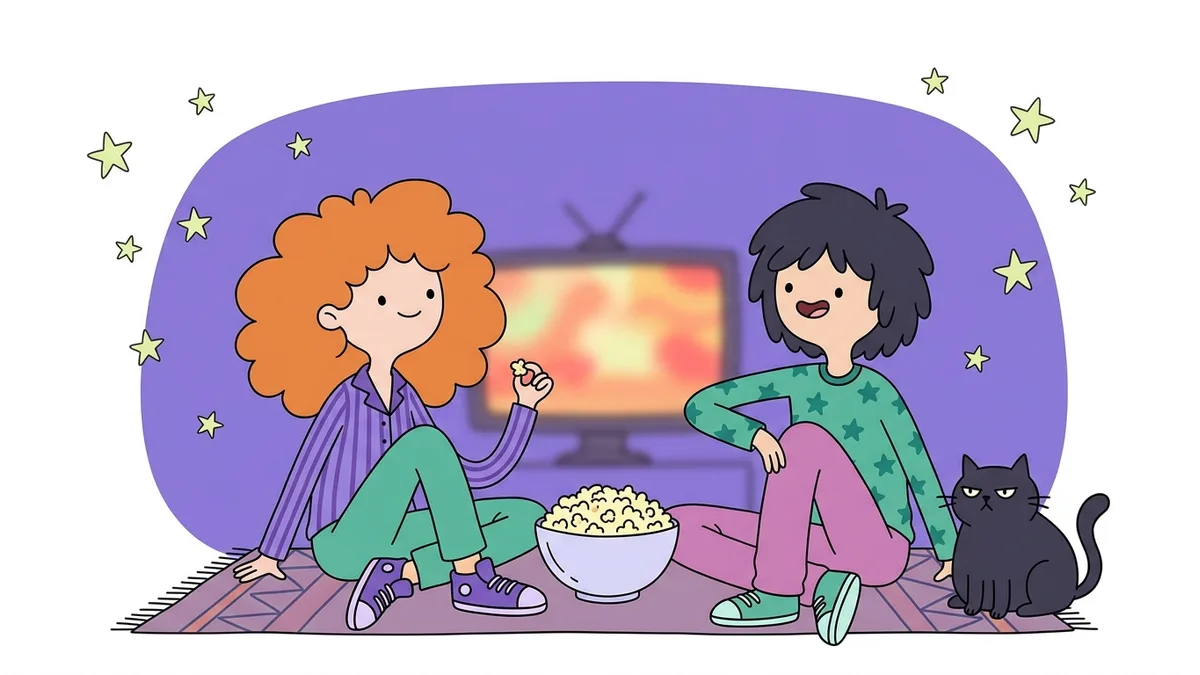
Here are shows that work well, grouped by age — each chosen for clear educational value, not just entertainment.
Six Best TV Shows to Learn English, Show by Show
1. Peppa Pig
A strong starter for preschoolers (preschool kids). This British show repeats simple sentence structures around family life and daily routines; the animation is clean and the plots are easy to follow, keeping vocabulary practical (feelings, food, household objects). A single episode runs about five minutes, so two or three episodes plus a short chat fit a daily target neatly.
2. Bluey
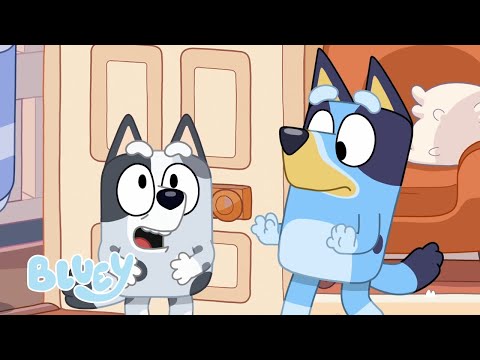
Another excellent preschool pick (preschool kids). The Australian dialect, clear pacing, and play-based stories build vocabulary around imagination and problem-solving while modelling natural family conversation.
3. Ask the StoryBots

Best for elementary kids. This American series feeds curiosity and science basics through a question-and-answer format, introducing wider vocabulary at a pace that stays clear for early learners.
4. Arthur

Great for school-age children (ages 6-9). The American show handles richer narratives around friendship, school, and emotions, introducing social situations and broader vocabulary with dialogue that is faster but still clear.
5. Wild Kratts

Ideal for ages 7-10. This American series builds vocabulary around animals, nature, and habitats, pairing science concepts with adventure so children pick up topic-specific words in context.
6. Horrible Histories

Best for ages 9-11. The British show layers history, humour, and idioms, exposing more confident learners to wordplay and cultural references that stretch comprehension.
For preschoolers (3-6): Peppa Pig and Bluey are strong starters. They repeat simple sentence structures around family life and daily routines, the animation is clean, and the plots are easy to follow. Words stay practical — basic English food words and household objects. See more in our 12 best cartoons to learn English.
For school-age kids (7-11): children now handle richer narratives. Try Arthur, Wild Kratts, or Ask the StoryBots. These introduce social situations, science concepts, and wider vocabulary; the dialogue is faster but still clear. Several also appear on the best YouTube channels to learn English.
This quick reference compares six of the best tv shows to learn english for kids by age band, dialect, and the vocabulary each one builds:
Tips for Parents and Teachers
Your involvement turns watching into an active task. Before an episode, preview the topic: if it features animals, ask, "What animals will we see today?" During, pause for comprehension questions like "What is she doing?" or "How does he feel?" That keeps your child processing the English rather than zoning out.
Afterwards, carry the language into your child's day. Drop the episode's new words into dinner-table talk, play a quick fun game to learn English on the same theme, or have them draw a favourite scene and label it for English writing for kids. Each reuse anchors the word in a fresh setting, which is exactly how vocabulary moves from "heard once" to "known".
Quick Recap and Next Steps
You now have a system for choosing and using the best tv shows to learn english for kids alongside your child's formal lessons. Four points to keep:
- Choose carefully — match dialogue complexity, pace, and visual support to your child's level.
- Watch actively — pause, ask questions, and talk about the story so your child processes the words.
- Build a routine — schedule short, regular sessions instead of rare long ones.
- Connect it — reuse new words in games, drawing, and everyday talk.
For more immersive ideas, add English songs for kids to your daily routine.
🎯 Not sure where your child stands?
Answer 5 questions about your child (4–15) and get a level guide — from Pre-A1 to B1 — with what to practise next.
Take the 2-minute quiz
Takes about 2 minutes. The result is a guide, not a formal assessment.
Frequently Asked Questions
How Much Screen Time Is Appropriate for Learning English?
Quality beats quantity. One focused 15-25 minute session a day, where you pause and talk about the episode, teaches more than a two-hour passive binge on Saturday. A single episode of Peppa Pig runs about five minutes, so two or three episodes plus a short chat fits the daily target neatly. Match the screen time to your wider household limits and your child's age.
Should My Child Watch with English Subtitles on or Off?
It depends on reading level. Beginners learn more without subtitles — they focus purely on listening and reading context from the picture. Once a child starts to read, English captions link spoken words to their written form and reinforce spelling. Avoid native-language subtitles: they turn the episode into a translation exercise and the child stops listening to the English.
Does It Matter If We Choose American or British English Shows?
For beginners, dialect barely matters — British, American, and Australian shows share almost identical core vocabulary and grammar. What counts is whether your child enjoys the show and whether the speech is clear. Stick with one dialect for the first year for consistency, then mix freely; spelling differences like "colour" versus "color" come later.
Can TV Shows Replace Formal English Lessons?
No, they're a powerful supplement, not a replacement. The best tv shows to learn english for kids provide great exposure to natural language, pronunciation, and vocabulary in context. Structured lessons with a tutor are essential for building a solid grammar foundation, personalized feedback, and active speaking practice. Combining both methods offers the comprehensive path to fluency.
Ready to turn screen time into active learning? LearnLink tutors use engaging content in 1-on-1 lessons so your child practises speaking and builds confidence — book a trial lesson with LearnLink.