Boost Your Bio: Use Relative Clauses for Stronger Descriptions
Want a personal bio that stands out? A strong bio shows identity, work, and memorable traits. This guide will show teaches relative clauses for sharper descriptions. This grammar tool helps children add detail without messy sentences, so it fits school writing, profiles, presentations, and online bios.
📥 Bio Builder: Relative Clause Practice
A printable mini-workbook for writing stronger descriptions about yourself, friends, heroes, and favorite characters.
Leave your email — we'll send the PDF to your inbox.No spam — the PDF plus one short reminder. Unsubscribe anytime.
Why Relative Clauses Can Be Tricky for Young Writers
Relative clauses add noun detail. Children can describe people, places, animals, and things clearly, yet young writers often stumble over the right relative pronoun. Should your child choose 'who,' 'which,' or 'that'? Each word has a job: 'who' names people, 'which' names things or animals, and 'that' points to people, things, or animals when information is essential. Writers often choose 'which' when added detail feels extra, not necessary. Knowing this difference keeps writing clear.
Commas create another hurdle. Some relative clauses give essential information; others add optional detail. These 'non-defining' clauses need commas. For example, 'My brother, who loves pizza, is coming over.' The part 'who loves pizza' adds extra detail. Without it, we still know who is coming. But in 'The boy who lives next door is friendly,' 'who lives next door' identifies the boy, so it stays essential. Small choices change meaning, rhythm, and flow. Using common English phrases correctly also makes writing sound natural.
Understanding Relative Clauses: The Basics
A relative clause tells more about a noun. It starts with a relative pronoun such as 'who,' 'which,' 'that,' 'whose,' or 'where.' These clauses connect ideas and help children avoid brief, choppy sentences. Instead of 'This is Sarah. Sarah loves to read,' your child can write 'This is Sarah, who loves to read.'
Main relative pronouns are simple. For parents, Boost Your Bio: Use Relative Clauses for Stronger Descriptions works best through quick, visual, weekly practice.
- Who: Used for people. Example: 'He is the boy who won the race.'
- Which: Used for things or animals. Example: 'This is the book which I read yesterday.'
- That: Can be used for people, things, or animals. Example: 'She bought the car that was on sale.' (Often interchangeable with 'which' for things, but 'that' is usually for essential information).
These words help children build richer sentences. Personal bios need that skill because children can describe hobbies, skills, achievements, and personality with detail. They can also explore new vocabulary words for more precise descriptions.
💡 the Secret to a Stand-Out Bio
Relative clauses give children a practical bio-writing tool. They pack useful description into concise sentences, so a profile becomes clear, engaging, and memorable. For parents, Boost Your Bio: Use Relative Clauses for Stronger Descriptions works best through compact, visual, weekly practice.
Common Mistakes When Using Relative Clauses
Step-by-Step Learning Progression
1. Input For parents, Boost Your Bio: Use Relative Clauses for Stronger Descriptions works best through bite-sized, visual, weekly practice.
Start with listening and reading. Ask your child to spot 'who,' 'which,' and 'that' in mini stories, character descriptions, classroom posters, and simple bios. Focus on how these words connect ideas and add details: the girl who sings, the game that we played, the book which has funny pictures.
2. Controlled Practice For parents, Boost Your Bio: Use Relative Clauses for Stronger Descriptions works best through focused, visual, weekly practice.
Use fill-in-the-blank tasks first. Children choose the correct relative pronoun in prepared sentences, then match sentence halves into complete ideas. This builds rule awareness before independent sentence writing. For parents, Boost Your Bio: Use Relative Clauses for Stronger Descriptions works best through concise, visual, weekly practice.
3. Semi-Controlled Practice For parents, Boost Your Bio: Use Relative Clauses for Stronger Descriptions works best when practice is short, visual, and repeated every week.
Next, combine simple sentences with relative clauses. Give two basic sentences such as 'This is my cat. My cat loves to sleep.' Then guide your child to write 'This is my cat, which loves to sleep.' Confidence grows because the idea already exists; your child only connects it smoothly.
4. Free Production For parents, Boost Your Bio: Use Relative Clauses for Stronger Descriptions works best when practice is short, visual, and repeated every week.
Now invite original writing. Your child can describe friends, pets, favorite games, books, sports, or hobbies using relative clauses. A short personal bio works especially well: 'I am a student who loves science,' 'I play basketball, which helps me stay active,' or 'I have a brother who teaches me chess.' Aim for clear, detailed description, not long sentences for their own sake.
5. Feedback
Share writing with a teacher or parent. Check whether each relative clause refers to the right noun, uses the right pronoun, and needs commas. Feedback helps you learn from your mistakes and improve writing steadily.
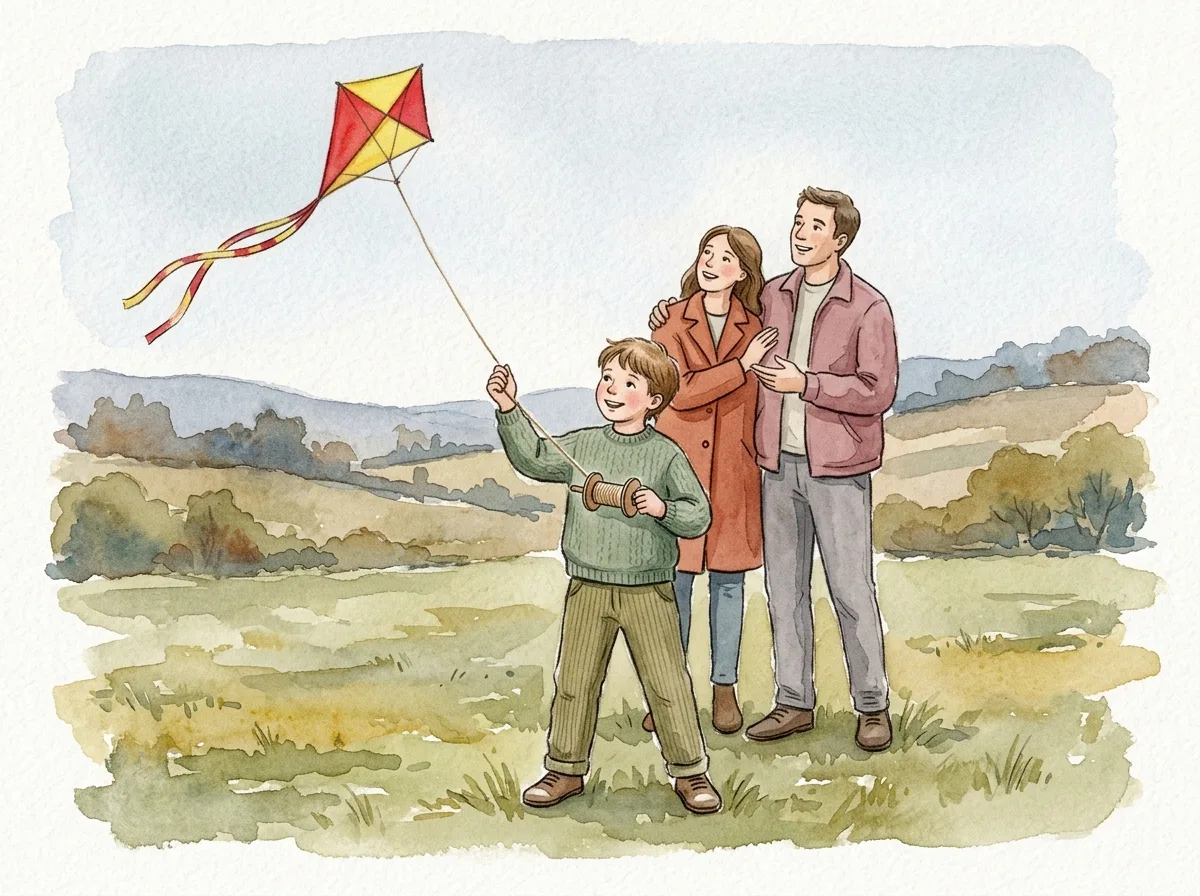
🔤 Task: Look at the image above. Create 4–6 brief controlled practice tasks based only on what is clearly visible.
1. The girl ___ is drawing on the whiteboard has a pink top. (who / which)
2. The boy ___ is sitting at the desk is holding a pencil. (who / which)
3. The whiteboard, ___ has a drawing of a cat, is at the front of the room. (who / which)
4. The student ___ is reading a book is in the background. (who / which)
5. The posters ___ are on the wall have letters and words. (who / which)
6. The globe ___ is on the shelf looks interesting. (who / which)
🔤 Task: Use the same image. Ask the learner to describe the scene or create their own sentences based on it. Provide 3–5 guiding prompts.
1. Describe the girl at the whiteboard. What is she doing? Use 'who' or 'which' in your sentences.
2. Imagine the boy at the desk. What do you think he is writing about? Use a relative clause to add details.
3. What objects can you see on the wall or shelf? Use 'which' or 'that' to describe them.
4. Write two sentences about the classroom. Make sure at least one sentence includes a relative clause.
5. Create a mini bio for one of the students you see, using relative clauses to describe their interests or skills.
Conclusion
Mastering relative clauses makes English sentences more descriptive, flexible, and clear. Children learn to add important details smoothly, whether writing a school project, character description, or personal bio. Understanding 'who,' 'which,' and 'that' helps them explain people, objects, interests, and achievements with stronger detail. Boost Your Bio: Use Relative Clauses for Stronger Descriptions gives parents a simple path from grammar practice to useful writing practice. Keep lessons short, use examples your child cares about, and revisit the pattern often. Consistent practice and structured learning, like that offered by LearnLink, help children become more confident English speakers and writers.
Stay updated on our latest tips and resources by following us on Instagram LearnLink.
Start your LearnLink trial lesson and help your child build stronger English descriptions with guided, parent-friendly practice.
When a word has several meanings or pronunciations, Cambridge Dictionary is a useful check before turning it into child-friendly examples.
Start your child's English journey today. Book a trial lesson with LearnLink.