Descriptive Words for Young Storytellers
Three details turn a plain event into a scene: appearance, movement, and sensation. Descriptive words—precise adjectives, verbs, and sensory details—let readers see, hear, or feel the story. The phrase “build richer worlds the power of descriptive words for young storytellers” means choosing details that matter: a crooked tower, or a puppy that bounds. Children need precise words, strong models, and repeated speaking practice before writing.
📥 Vivid Storytelling Word Bank
Descriptive words and phrases to help young writers build richer characters, places, actions, and moods.
Leave your email — we'll send the PDF to your inbox.No spam — the PDF plus one short reminder. Unsubscribe anytime.
What Descriptive Words Add to a Story
Description answers a reader’s questions. What did the place look like? How did the character move? What could they hear? “A bird sat in a tree” states the event. “A tiny blue bird perched on a bending branch” creates a scene.
The idea behind “build richer worlds the power of descriptive words for young storytellers” is not to pack every line with adjectives. One exact noun or verb often outperforms broad wording. “The cart rattled” is sharper than “the cart moved in a noisy way.” Precise choices build vocabulary, sentence control, and speaking confidence.
Useful Vocabulary for Young Storytellers
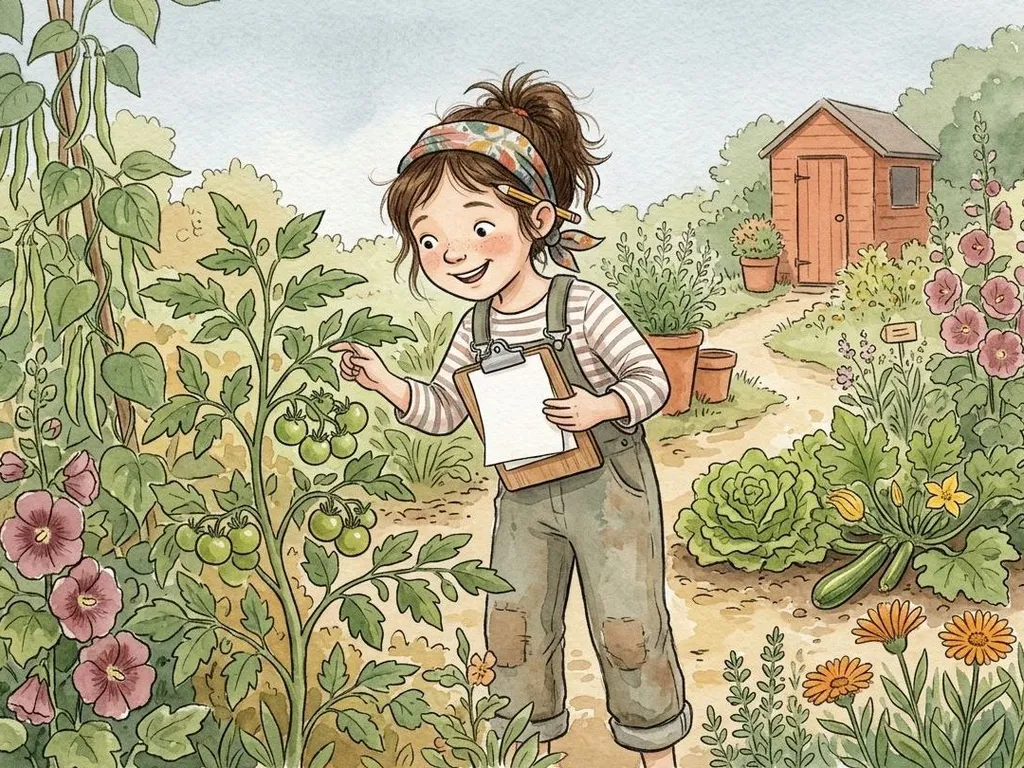
Teach words in purposeful groups. A child then chooses from a small set instead of searching their entire vocabulary. Begin with familiar meanings and show each word in a full sentence.
Contrast fixes meanings in memory. Pair vast with tiny, smooth with rough, or dashed with crept. Have the child act out movement words and touch safe household objects for texture words. Teach meaning before spelling.
How to Introduce Descriptive Vocabulary at Home
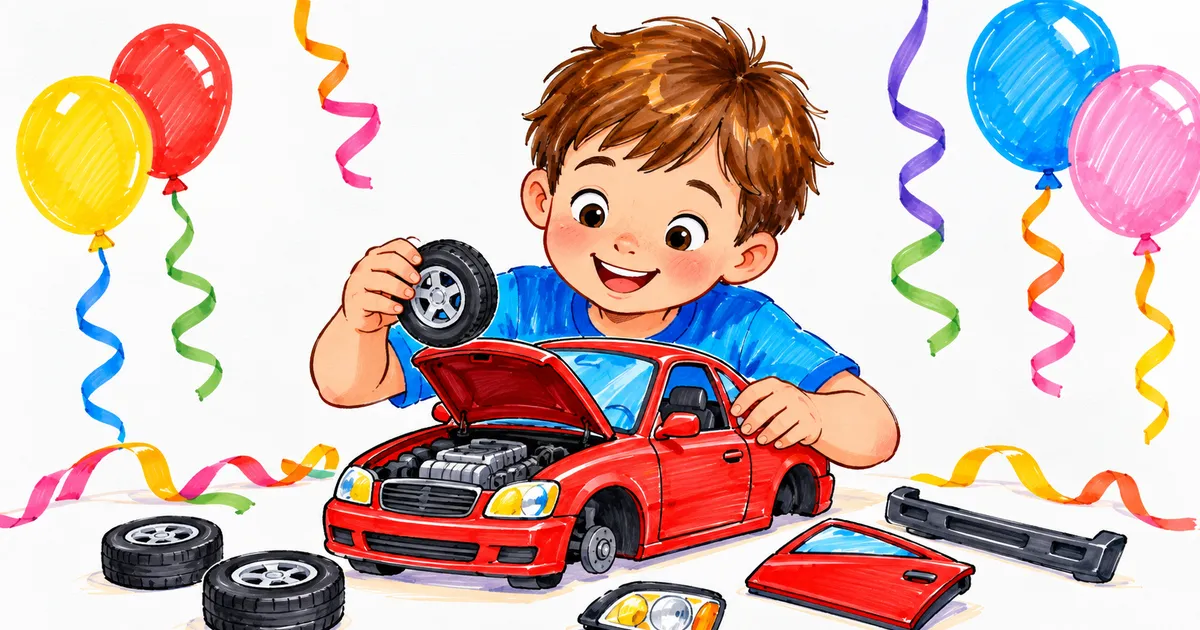
For family practice, “build richer worlds the power of descriptive words for young storytellers” means improving one detail at a time. Show “The animal went home.” Ask: “Which animal?” “How did it move?” or “What was the weather like?” The result might be: “The tired donkey trudged home through cold rain.”
Let speaking come first. Read two versions aloud and ask which creates a stronger picture. Compare “a nice room” with “a warm room full of soft cushions.” Accept an accurate word even when spelling is insecure. Write and correct after forming the idea.
Reuse new words during meals, walks, drawing, and bedtime stories. Across LearnLink lessons, our tutors model vocabulary through questions, pictures, and guided storytelling. At home, brief practice across a few days is easier to sustain than one long session.
Examples for Different Ages
Children can describe one visible feature at a time. Show a toy or picture and offer two choices: “Is the dragon shiny or furry?” Build patterns such as “It has silver wings” and “It walks slowly.” Drawing ties each word to an object.
Children can combine details from different senses. Start with “The cave was dark.” Add sound, texture, or movement: “Water dripped inside the dark, slippery cave.” Replace broad verbs such as went, said, and looked with hurried, whispered, stared, or glanced.
Older children can use description to shape mood and viewpoint. A park may feel peaceful to one character and threatening to another. Across age groups, “build richer worlds the power of descriptive words for young storytellers” should create more choice—not harder spelling tests or needlessly long sentences.
Practical Activities That Turn Words into Stories
Try a picture hunt. Choose an illustration and find one colour, one shape, one imagined sound, and one movement. Turn the answers into two sentences. A multilingual child can discuss the idea in another home language first, then find the closest English word with family.
The Three-detail Challenge
Write “A visitor arrived at the castle.” Add one detail about the visitor, castle, and arrival. Read the new version aloud, then remove any word that does not help the listener picture the scene.
Try a verb swap. Write a sentence with went, got, made, or said. Replace the broad verb in turns: “The mouse went across the floor” might become crept, raced, or scampered. Discuss how each choice changes the scene. Keep a family vocabulary containing only words the child can explain and use.
- Use three adjectives to build richer worlds—the power of descriptive words for young storytellers.
- Read one picture book aloud, then replace five dull words together.
- Ask your seven-year-old to describe a dragon through all five senses.
- Draw a setting, label six details, and weave them into sentences.
- Practice a two-minute bedtime story using one simile and three sound words.
When a word has several meanings or pronunciations, Cambridge Dictionary is a useful check before turning it into child-friendly examples.
Frequently Asked Questions
How Many Descriptive Words Should a Child Learn at Once?
For most home sessions, three to five new words are enough. Choose related words such as rough, smooth, sticky, and fluffy. Use them in speech, pictures, and short sentences before adding more. If your aim is “build richer worlds the power of descriptive words for young storytellers,” depth matters more than list size: a child should understand, choose, and reuse each word.
Should I Correct Every Grammar or Spelling Mistake?
No. During storytelling, respond first to the child’s meaning. Correcting every sentence breaks the story’s flow. Choose one correction, model the natural form, and let the child continue. During a later writing check, focus on practised words. Separating idea-making from editing keeps both tasks manageable.
What Can I Do If My Child Repeats the Same Words?
Offer a small choice instead of asking for a “better word.” Ask whether the character walked, marched, crept, or raced. Compare meanings through actions or quick sketches. Display alternatives, then remove the prompt once the child uses the words without help.
Can a Multilingual Child Plan a Story in Another Language?
Yes. A child may discuss a character or plot in a stronger home language before telling the story in English. This supports English practice while protecting the idea. Help find natural English wording instead of translating word by word, because descriptions and comparisons may differ across languages.
- Start with three to five related words and explain each one through a picture, action, or object.
- Practice the words aloud before asking the child to write them.
- Try improving one plain sentence with a precise verb and one sensory detail.
- Reuse successful words during stories, walks, and everyday conversations.
If your child needs steady speaking practice, start small — choose a trial lesson.
Stay updated on our latest tips and resources by following us on Instagram LearnLink.