Teaching Reading in English for Kids
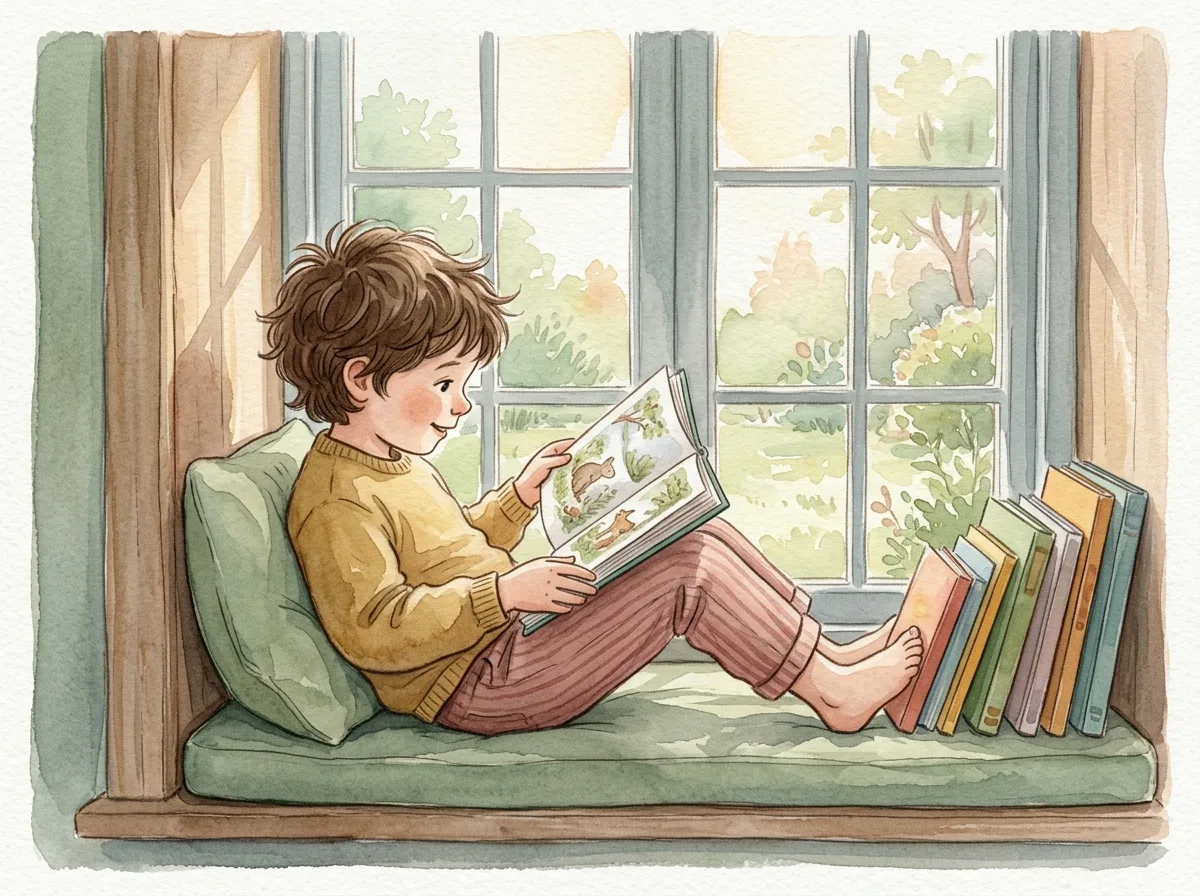
Teaching your child to read starts with connecting letters to sounds. This systematic approach forms the foundation of a parents guide to teaching reading in english abcs phonics. By turning reading into a logical puzzle rather than a memory game, you help kids to decode unfamiliar words independently.
📥 First Phonics Word Cards
Printable sound groups for playful reading practice at home
Leave your email — we'll send the PDF to your inbox.No spam — the PDF plus one short reminder. Unsubscribe anytime.
Phonics Basics: Why Sounds Beat Memorization
Phonics connects letters (graphemes) to their specific sounds (phonemes). Instead of memorizing "cat" as a shape, your child learns 'c' says /k/, 'a' says /æ/, and 't' says /t/. Blending these sounds lets them read the word. This system is essential for mastering English reading for kids.
English contains roughly 170,000 words; memorization isn't scalable. Phonics provides a toolkit for decoding. This principle is the first step in a parents guide to teaching reading in english abcs phonics. It shifts the child's mindset from "What is this word?" to "How do I figure this out?"
Building Blocks: ABCs and Letter Sounds
Focus on sounds over letter names. When showing the letter 'B', emphasize the /b/ sound rather than the name "bee." This association is a core milestone in a parents guide to teaching reading in english abcs phonics and supports English learning for toddlers.
Try multi-sensory techniques. Have your 5-year-old form letters with clay or use magnetic tiles. Physical interaction cements the connection. Your child should see 'S' and immediately think of a hissing snake sound. This foundation is vital before moving to complex words.
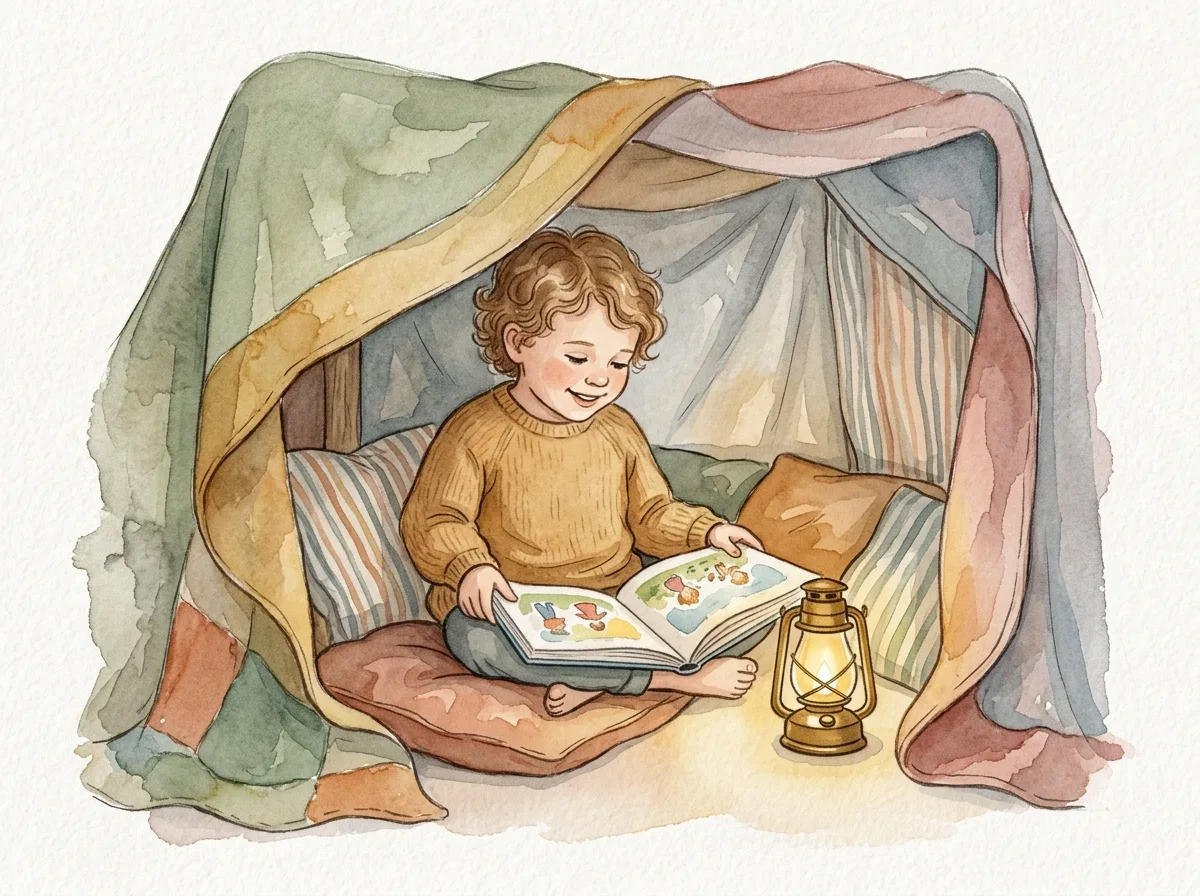
Blending and Segmenting: From Sounds to Words
Blending involves pushing individual sounds together. Model this by saying sounds slowly: "/m/…/a/…/p/… map!" Segmenting is the reverse: breaking "sun" into /s/, /u/, /n/. This skill directly improves English writing for kids by helping them spell phonetically.
Start with Cvc (consonant-vowel-consonant) words like sit, red, or top. This stage transitions a parents guide to teaching reading in english abcs phonics from theory into practical skill-building. If your child resists, try "I Spy" with sounds: "I spy a /b/-/u/-/s/."
Phonics Practice: Blending & Segmenting
Try these exercises tonight to apply a parents guide to teaching reading in english abcs phonics:
- Blending: Say /p/-/i/-/n/. Ask your child: "What word is that?" (Answer: pin)
- Segmenting: Ask: "What sounds do you hear in the word 'dog'?" (Answer: /d/-/o/-/g/)
- Substitution: "Change the /m/ in 'mat' to /s/. What is the new word?" (Answer: sat)
Overcoming Tricky Sounds and Hurdles
English uses digraphs like 'sh', 'ch', and 'th' where two letters make one sound. Teach these as single units. Use minimal pairs like "ship" vs "sheep" to help 8-year-olds distinguish short and long vowels. Focus on recognition rather than perfect native pronunciation.
Multilingual parents often worry about accents. Consistency matters more than perfection. Use audiobooks or kids English speaking practice with tutors to provide diverse models. For difficult sounds like the English 'r', use tongue twisters to build muscle memory.
Daily Practice and Playful Learning
Engaged children learn faster. Use fun games to learn English like letter hunts around the kitchen. Consistency is key; 10 minutes daily is better than an hour once a week. This habit reinforces a parents guide to teaching reading in english abcs phonics principles.
Incorporate interactive English lessons for kids to keep variety high. For 10-year-olds, try reading graphic novels or comics where visual cues support the text. Always end sessions on a high note to maintain a positive association with reading.
Why Families Choose LearnLink
LearnLink supports 4,000+ families across 100+ countries. With 120+ expert tutors, we provide the structure parents need to see real progress. Our methods align with a parents guide to teaching reading in english abcs phonics, ensuring every child receives personalized attention.
To start your child's journey today, follow these steps:
- Focus on phonemes (sounds) before letter names.
- Practice blending Cvc words for 5 minutes daily.
- Use finger-tracking while reading picture books together.
- Introduce digraphs like 'sh' and 'ch' using colorful flashcards.
For reading and phonics support beyond the article examples, Scholastic Parents is a helpful independent resource for parents.
Frequently Asked Questions
At What Age Should My Child Start Learning Phonics?
Most children are ready between ages 4 and 5. Look for signs of readiness like curiosity about signs, interest in rhyming, or attempts to "write" letters. Start with play-based sound games before formal lessons.
What Is the Difference Between Phonics and Memorizing Words?
Memorization treats words as static shapes, which limits vocabulary growth. Phonics provides a decoding toolkit. This allows children to read thousands of words by understanding how letters represent specific sounds.
Will Learning English Phonics Confuse a Bilingual Child?
No, bilingual children often have better phonological awareness. They are naturally skilled at distinguishing between different language systems. A structured guide helps them categorize English sounds without interfering with their first language.
Should I Focus on British or American English Pronunciation?
Consistency matters most during the initial stages. Choose the dialect you have the most resources for. Children are adaptable; once they have a solid foundation, they will easily understand global variations of English.
Data current as of July 2026.
Ready to put these ideas into practice? A great way to build your child's confidence is with guidance from an expert tutor who makes learning fun — book a trial lesson with LearnLink.