English Reading For Kids
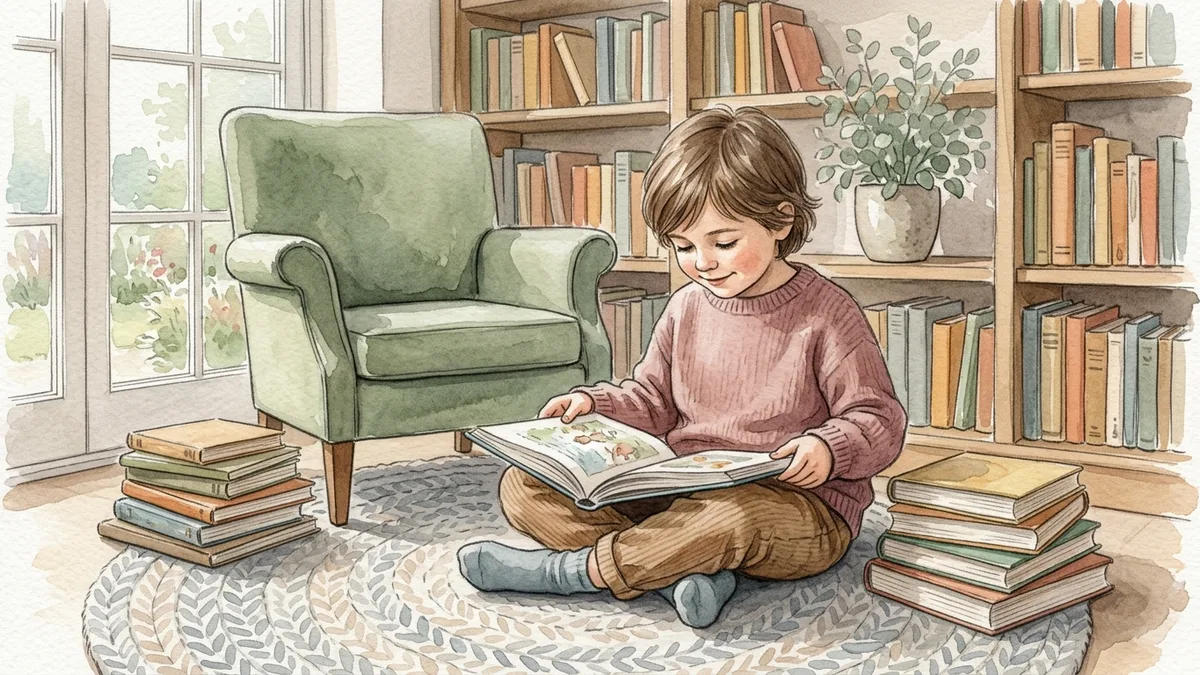
Teaching english reading for kids starts with decoding symbols to build meaning. This foundational skill boosts vocabulary, comprehension, and critical thinking from age 4. Consistent, enjoyable practice gives your child a powerful advantage in all future academic subjects.
📥 Reading Power Word Cards
A printable vocabulary set for building confident English reading habits at home.
Leave your email — we'll send the PDF to your inbox.No spam — the PDF plus one short reminder. Unsubscribe anytime.
Cognitive Growth and Age-Appropriate Milestones
Reading stimulates brain development by enhancing concentration and memory. As children connect words with concepts, they build neural pathways for complex thought. Consistent english reading for kids helps them recognize patterns and predict outcomes through narrative structures. Use this table to track typical progress:
| Age Group | Focus Area | Recommended Format |
|---|---|---|
| 4-6 years | Phonics & Letter Sounds | Picture books, Rhyming stories |
| 7-9 years | Fluency & Vocabulary | Early chapter books, Comics |
| 10-15 years | Critical Analysis | Novels, Non-fiction, News |
Learning how to improve English for kids often starts with these foundations. The brain learns to understand cause and effect through the stories they consume daily.
Building Vocabulary and Language Skills
Books expose children to a wider vocabulary than daily conversation. This exposure helps them grasp context and nuance. A strong program of english reading for kids expands expressive language skills. Beginners might learn the 100 most common English words through simple tales before tackling complex texts.
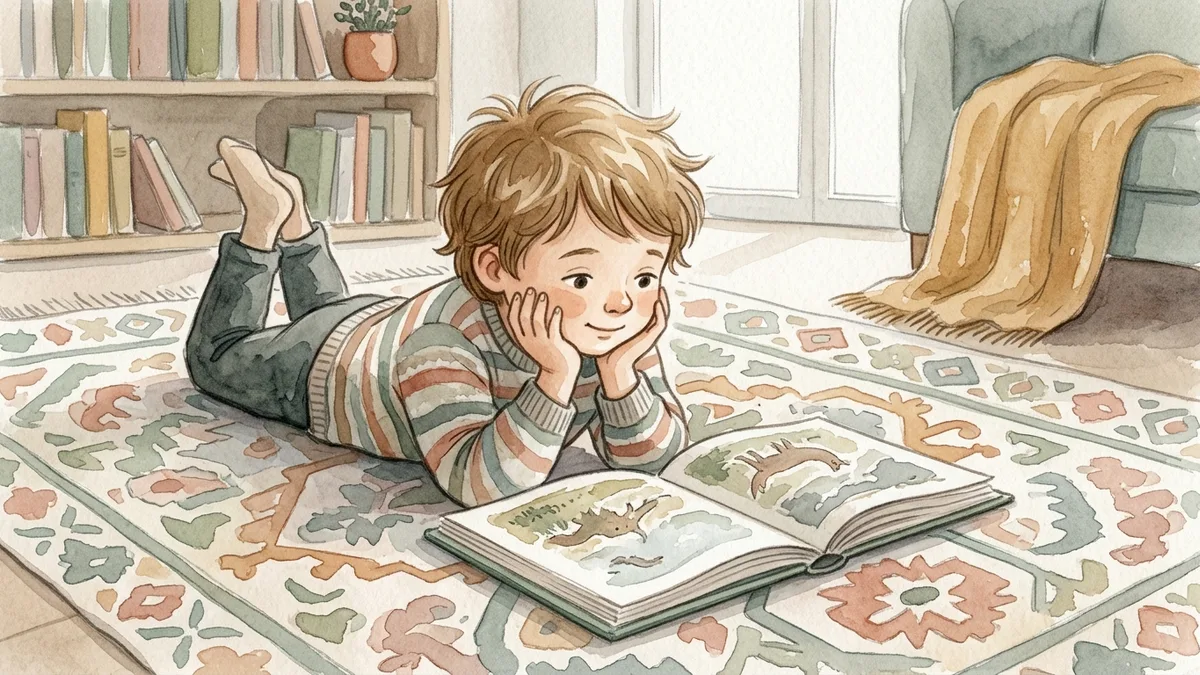
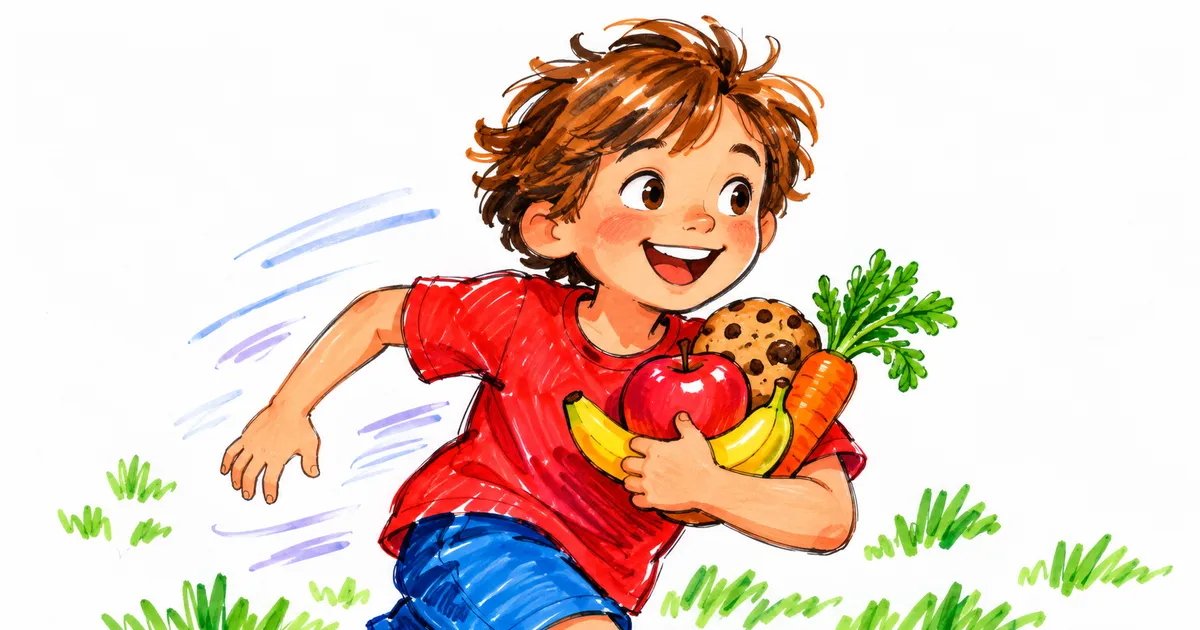
Seeing words in print solidifies spelling and grammar. Children observe sentence structures naturally in books they enjoy. This makes discovery fun, whether learning English food words for children or animal names. Use the exercise below to practice these skills tonight.
Read this sentence: "The hungry boy ate a delicious red apple for snack time."
- Identify the food word: _________
- Which word describes the apple? _________
- What time of day is it? _________
Empathy and Cultural Awareness Through Stories
Stories offer a window into diverse lives. When children read about different characters, they develop empathy and emotional intelligence. A diverse selection for english reading for kids prepares them to be globally-aware. Watching the best movies to learn English for kids can supplement this cultural exposure by adding visual context to written stories.
Practical Strategies for Home Practice
Create a positive environment to make reading a shared joy. Try these techniques:
- Designate a Reading Nook: Set up a quiet corner with soft pillows and bright lighting.
- Read Aloud Daily: Spend 15 minutes reading together. Use silly voices for characters to keep 6-year-olds engaged.
- Visit the Library: Let your child choose their own books to build a sense of ownership.
- Connect Books to Life: If you read about space, look at the stars together that night.
These habits transform english reading for kids into a lifestyle. Supplement books with ESL games and activities for kids to reinforce new vocabulary through play.
Choosing the Right Books for Every Age
The right book challenges a child without causing frustration. Use the "five-finger rule": if your child struggles with five words on one page, the book is likely too difficult for independent reading. For 5-year-olds, focus on repetition. For older kids, match books to their hobbies like sports or science.
| Reading Level | Book Characteristics | Example Titles |
|---|---|---|
| Beginner | Large font, many pictures, rhyming | Dr. Seuss, Pete the Cat |
| Intermediate | Short chapters, simple dialogue | Mercy Watson, Bad Guys |
| Advanced | Complex plots, abstract themes | Harry Potter, Wonder |
Our guide to English lessons for 5-year-olds offers specific age-based ideas. If you need professional guidance, check our tips for choosing an English teacher for personalized book lists.
Action Plan for Parents
Follow these steps to improve your child's english reading for kids skills:
- Set a fixed 15-minute daily reading time to build a permanent habit.
- Rotate book selections weekly to keep interest high and introduce new genres.
- Ask three "Why" questions after each chapter to check comprehension.
- Use audiobooks during car rides to improve listening and pronunciation.
- Review new vocabulary words by sticking post-it notes on household objects.
For reading and phonics support beyond the article examples, Scholastic Parents is a helpful independent resource for parents.
Frequently Asked Questions
At What Age Should Children Start English Reading for Kids?
Most children start letter recognition and phonics between ages 4 and 5. Focus on exposure and fun rather than strict academic pressure. A print-rich home environment is the best first step.
How Can I Help a Child Who Dislikes Reading?
Find books aligned with their hobbies. Explore graphic novels, magazines, or audiobooks. Connecting stories to their favorite TV shows to learn English for kids often sparks new interest.
Are Digital Reading Apps Effective for Kids?
Apps offer interactive features and read-aloud functions that engage reluctant readers. However, physical books eliminate screen distractions. A balanced mix of both mediums usually works best for english reading for kids.
Why Is English Reading for Kids Important for Bilingual Families?
Why is English reading for kids so vital? It builds a bridge between languages, reinforcing core literacy skills that your child can use anywhere. Beyond simple vocabulary, books offer the complex grammar and rich cultural nuances needed for genuine fluency. Open a story today and watch their confidence grow.
Data current as of July 2026.
Ready to build your child's confidence in English? Our certified tutors create personalized lessons that make learning fun and effective. Join 4,000+ families in 100+ countries and watch your child's reading skills soar — book a trial lesson with LearnLink.