Mistakes When Teaching Kids Spoken English
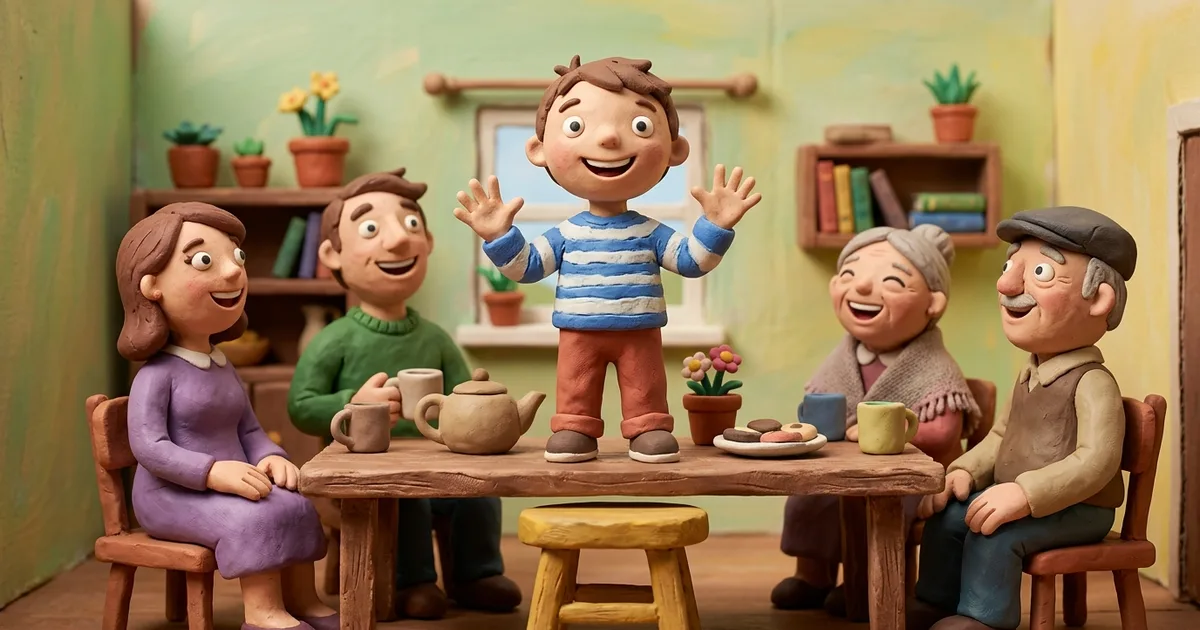
The biggest mistake is turning every conversation into a test: children then watch for errors instead of meaning. Common Mistakes Parents Make When Teaching Kids Spoken English: A Practical Guide recommends giving your child something worth saying, modelling practical language, and correcting one point at a time. A five-year-old may choose between two phrases; a nine-year-old can build a short account; a teenager can defend an opinion. Spoken English improves through safe, purposeful, frequent practice. This guide explains what to avoid, how to handle errors, and which short activities protect the child’s voice.
📥 Help Kids Speak English Freely
A practical home pack for building confidence, fluency, and natural conversation
Leave your email — we'll send the PDF to your inbox.No spam — the PDF plus one short reminder. Unsubscribe anytime.
What Children Need Before They Can Speak Freely
Children need meaning before accuracy. “Tell me about your picture” gives them a reason to speak. “Use the present continuous” gives them grammar but no message. Start with an object, action, choice, memory, or opinion. Once your child has something to communicate, words and grammar serve that message.
Children need time to build an answer. Young learners may pause while finding a word, arranging a sentence, and checking its sound. Finishing the sentence saves seconds but removes the speaking attempt. Ask the question, stay calm, and wait.
Common Mistakes Parents Make When Teaching Kids Spoken English: A Practical Guide treats confidence and accuracy as partners. Safe conversation encourages more attempts, creating more chances to model correct grammar, practical vocabulary, and understandable pronunciation.
How Spoken English Develops
Spoken language grows through a cycle: hear a phrase, understand it in context, try it, receive brief feedback, and reuse it. A child hearing “Would you like the red one or the blue one?” may answer with one word, then “The blue one,” and later “I’d like the blue one, please.” Each response extends the last.
Grammar helps when it supports this cycle. Instead of explaining subject–verb agreement for several minutes, put the form into an exchange: “Dad cooks. Mum drives. What does your brother do?” Older children can discuss the rule after using it. Younger children often learn through repeated sound patterns in meaningful sentences.
In Common Mistakes Parents Make When Teaching Kids Spoken English: A Practical Guide, a model beats a lecture. If your child says, “She play tennis,” reply, “Yes, she plays tennis on Saturdays.” You confirm the message and supply the correct form without stopping the conversation.
The Habits That Slow Children Down
Unhelpful habits often begin with a good aim: parents want accurate speech and fast progress. Timing or intensity causes the problem. This table contrasts typical approaches with responses that keep the child speaking.
Use Common Mistakes Parents Make When Teaching Kids Spoken English: A Practical Guide to assess adult behaviour, not the child. Count your questions, notice interruptions, and check whether your child gets the longer turn. One change in your response can improve the exchange.
Clear Rules and Better Examples
When an error blocks meaning or concerns the day’s target, use a recast: repeat the idea in correct English and follow up. Child: “Yesterday we goed park.” Adult: “You went to the park yesterday. What did you do there?” The child hears the correction while attention stays on the experience.
If the error continues, give a short contrast: “Today we go; yesterday we went,” then request one fresh example. Do not make the child repeat one sentence five times. Repetition without new meaning becomes mechanical; a new sentence tests whether the form works: “Yesterday we went to Grandma’s house.”
Keep pronunciation feedback selective. Correct a sound when it changes the word or hinders understanding. Break the word into manageable parts, say it once at normal speed, and let your child try. Children need not lose a family or regional accent. The goal is speech listeners can follow.
Practice Activities for Home
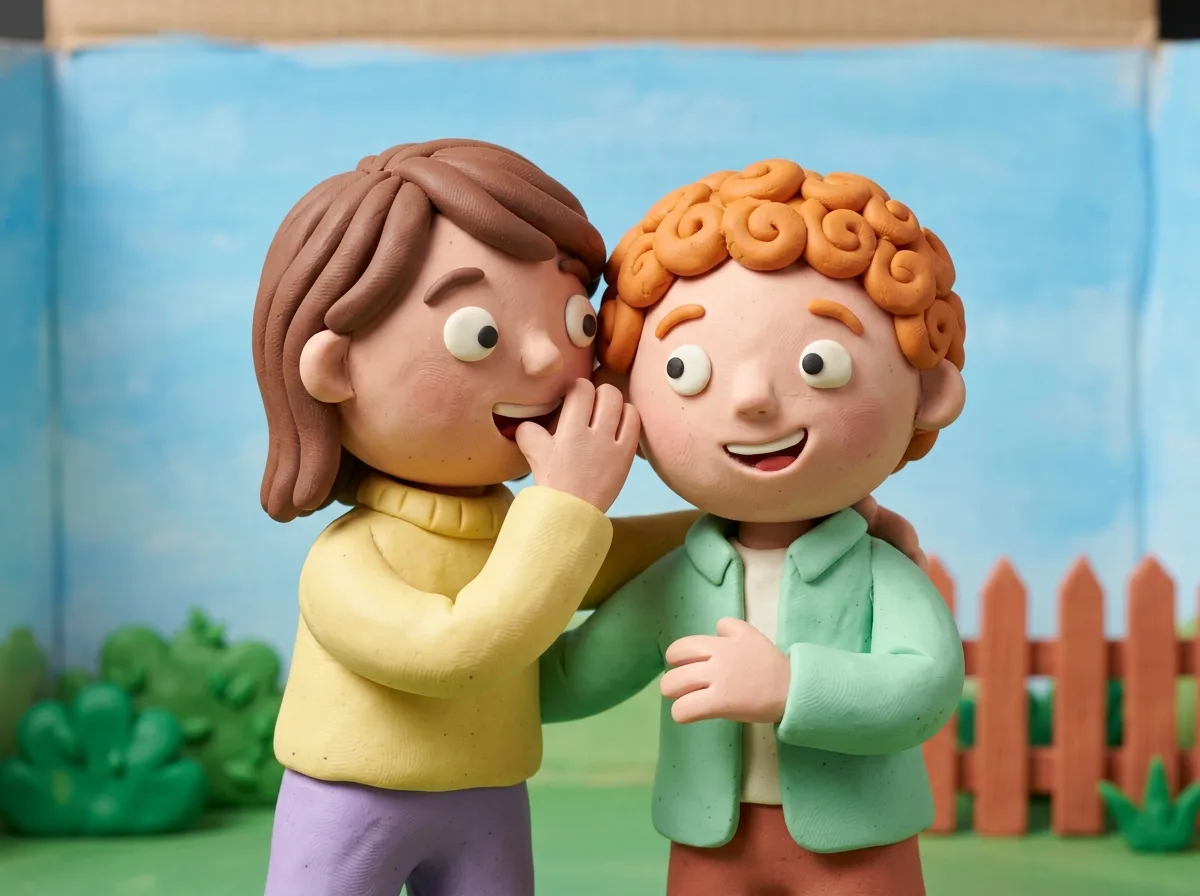
Short practice needs a defined finish. Five to ten focused minutes fit before dinner, during a walk, or after reading. Choose one target, such as past-tense verbs or full answers, and stop while the exchange remains manageable. These exercises require no worksheet.
Fill the Gap and Add One Detail
Read aloud: “Every morning, Sam ___ to school, but today he ___ at home.” Your child chooses “goes” and “is staying,” then adds a reason: “He is staying at home because he is ill.” Accept another sensible reason.
Change Today into Yesterday
Say, “Today I eat soup,” and ask your child to put the idea in the past: “Yesterday I ate soup.” Continue with “I see my friend,” “We take the bus,” and “She plays outside.” Answers: “saw,” “took,” and “played.”
Build a Three-step Answer
Ask, “What would you take on a rainy trip?” Accept the object first: “Boots.” Next request a sentence: “I would take boots.” Then ask why: “I would take boots because the ground may be wet.” Give younger children easier choices.
Common Mistakes Parents Make When Teaching Kids Spoken English: A Practical Guide replaces vague commands like “Speak more English” with achievable tasks. Save one successful sentence from each activity and reuse its pattern with new people, places, or actions later that week.
A Feedback Routine Parents Can Keep
Use a three-part response: meaning, model, move on. Respond to the message: “That sounds exciting.” Model one improvement: “We say, ‘I saw a huge dog.’” Continue: “Where did you see it?” The routine values the message while keeping correction focused.
Across LearnLink lessons, our tutors adjust questions and feedback to each learner’s age and speaking level. Parents can follow the same principle. A four-year-old may point and name; an eight-year-old can connect ideas with “because”; a teenager can compare options and support a view.
Set a small weekly target instead of keeping a long error list. Listen for past-tense verbs this week and question forms next week. The routine in Common Mistakes Parents Make When Teaching Kids Spoken English: A Practical Guide keeps feedback focused while supporting real conversation.
- Try a five-minute feedback chat after dinner with children aged six to ten.
- Praise one clear sentence before correcting a single pronunciation mistake.
- Use one familiar picture book to model two natural spoken phrases.
- Record a thirty-second conversation, then replay it together without interrupting.
- Practice the corrected phrase three times, then end with encouragement.
For reading and phonics support beyond the article examples, Scholastic Parents is a helpful independent resource for parents.
Frequently Asked Questions
Should I Correct Every Grammar Mistake My Child Makes?
No. Correct errors that block meaning, concern the current target, or recur in practical phrases. Common Mistakes Parents Make When Teaching Kids Spoken English: A Practical Guide recommends one correction at a time. If your child tells a lively story with small errors, respond to the story first and model one improved sentence.
What If My Own English Is Not Fluent?
You need not speak flawless English to support practice. Model short phrases confidently, listen to reliable audio together, and ask open questions. Let your child explain a new phrase to you. If unsure about pronunciation or a rule, check it before the next session.
How Long Should Spoken English Practice Last?
Match the time to your child’s age, energy, and experience. A five-year-old may benefit from several minutes of focused play; an older child may sustain a longer discussion. Stop before attention collapses. Regular short exchanges are easier to repeat than an occasional full lesson.
Should Children Translate from Their Home Language?
Translation can clarify a difficult idea, especially in a multilingual family, but should not control every exchange. First let your child use context, pictures, gestures, and known words. When translation is needed, keep it brief and return to the English phrase in a meaningful sentence.
What Should I Do If My Child Refuses to Speak English?
Reduce the demand instead of increasing pressure. Let your child point, choose between two answers, repeat one phrase, or speak through a toy. Avoid threats and comparisons. A stuck child may need easier language, more preparation, or a personally meaningful topic before attempting a longer answer.
If your child needs steady speaking practice, start small — choose a trial lesson.
Stay updated on our latest tips and resources by following us on Instagram LearnLink.