Questions with Do and Does for Kids
Do and does build most English simple-present questions. Pair do with I, you, we, they, and plural nouns; pair does with he, she, it, and singular nouns. Questions with Do and Does for Kids: A Practical the child helps children choose helpers, keep base verbs, and discuss routines, likes, school, family, and their world.
📥 Questions with Do and Does for Kids
Build clear present simple questions for everyday conversations
Leave your email — we'll send the PDF to your inbox.No spam — the PDF plus one short reminder. Unsubscribe anytime.
What Children Need to Understand First
Questions using do or does start with a helper. Compare You like apples and Do you like apples? Read both aloud; children hear the changed word order.
Subjects select helpers. I, you, we, they, and plural subjects take do: Do your cousins live nearby? Pair does with he, she, it, or one person, animal, place, or thing: Does your brother walk to school?
After does, the verb loses its -s: Does she play?, not Does she plays? Questions with Do and Does for Kids: A Practical the child reminds learners: the helper carries the present-tense ending.
How the Question Pattern Works
Yes-or-no pattern: Do or does + subject + base verb + the rest of the sentence? Examples include Do they speak French at home? and Does the lesson start at nine? Base verbs include play, speak, want, need, and start.
Question words come first: Where do you study?, What does your child enjoy?, or Why does the cat hide? Each question word requests specific information.
Short answers repeat the helper: Yes, I do, No, they don’t, Yes, she does, and No, it doesn’t. Questions with Do and Does for Kids: A Practical the child models answers without sentence repetition.
Rules and Examples at a Glance
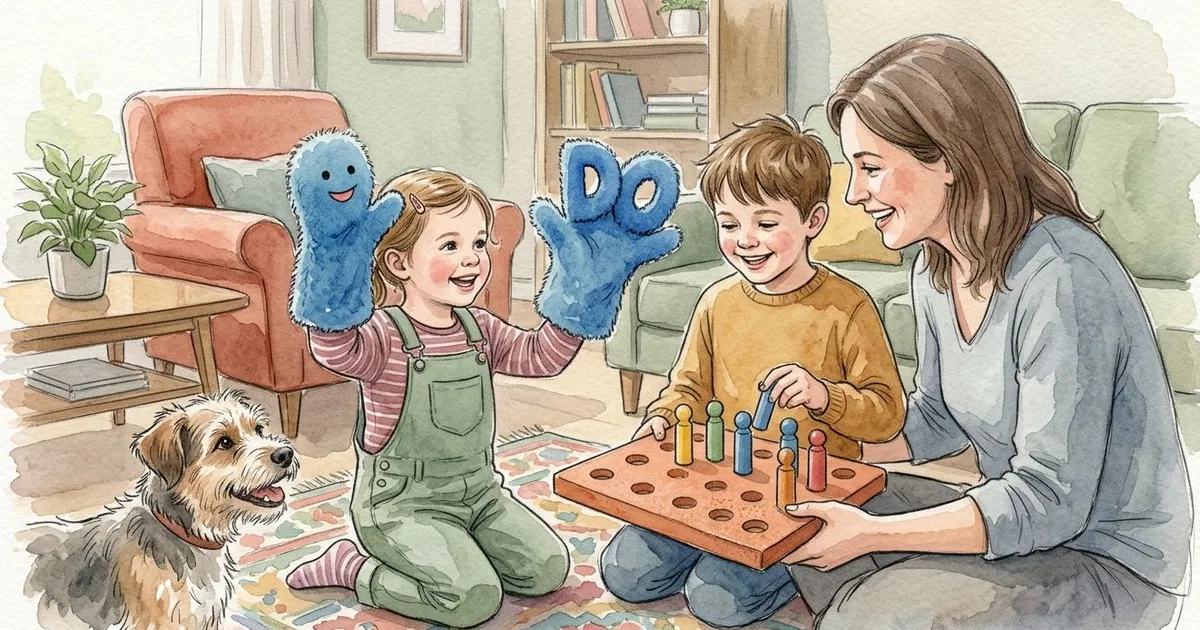
Match subjects with helpers. Decide whether each subject means one person or thing, or more than one, then match it to a pronoun.
Some verbs follow different rules. Be forms questions without do: Is your child ready?, not Does your child be ready? Modals lead directly: Can she swim? In Who lives here?, who serves as subject. Questions with Do and Does for Kids: A Practical the child applies when another word serves as subject: Who does your child visit?
Building Useful Questions for Real Conversations
Purposeful questions teach faster. Ask Do you want milk? at breakfast, Does this piece fit? during play, or What do you remember? after school. Gestures, objects, and pictures clarify meaning.
Older children can transform statements. Start with She walks to school. Move the subject after does, remove -s, and add a question mark: Does she walk to school? Then ask When does she walk to school?
Teen learners need engaging topics: music, screen habits, study routines, food, sport, or home languages. In online lessons with our tutors, questions become exchanges: Do you listen to music while studying? Why does it help? Grammar supports conversation, not isolated drills.
Common Mistakes and How to Correct Them
Children may pair does with you: Does you like it? Correct it to Do you like it? Subjects I, you, we, and they require do.
Another error keeps third-person -s: Does he likes chess? Say Does he like chess? Only one word carries the ending: He likes chess, but Does he like chess?
Children may omit the helper: You play football? Casual speech may allow this, but standard English uses Do you play football? Model the sentence and request one repetition; excessive correction can interrupt conversation.
Practice Activities for Home or Class
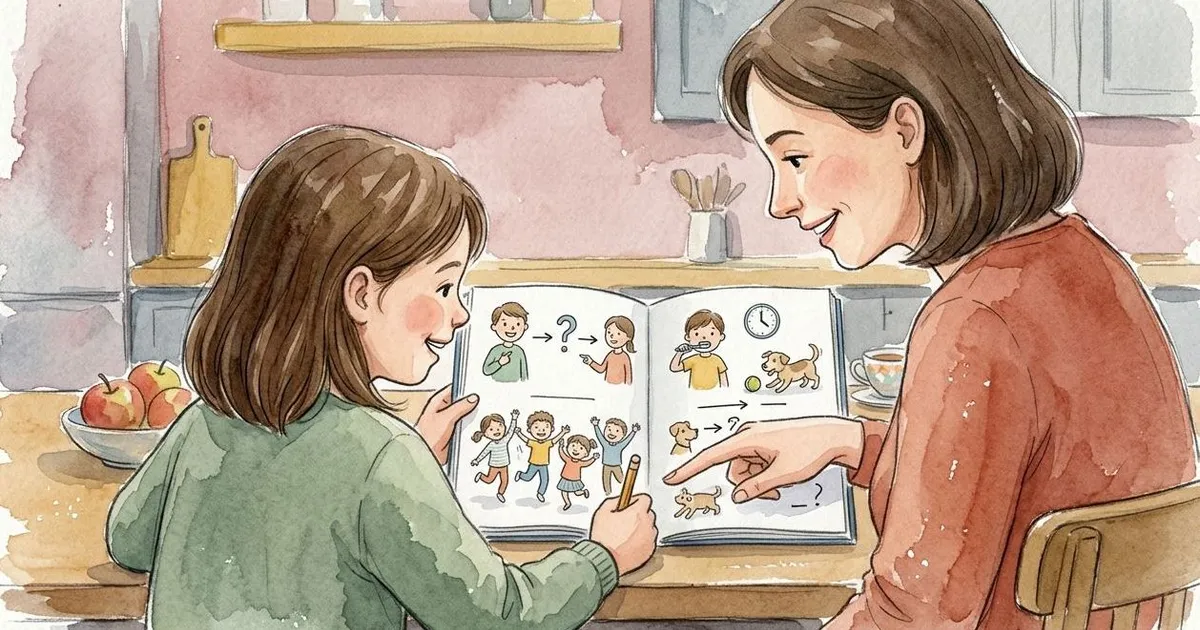
Practice should require choices, not copying. Use Questions with Do and Does for Kids: A Practical the child as a reference, then hide it. Ask your child to select a helper, repair a sentence, or create an answerable question.
Choose Do or Does
Fill each gap with do or does.
1. ___ you read comics?
2. ___ your friend live nearby?
3. ___ the dogs sleep outside?
4. ___ she know the answer?
5. ___ we need more paper?
6. ___ this game have rules?
Answers: 1. Do; 2. Does; 3. Do; 4. Does; 5. Do; 6. Does.
Repair the Questions
Say or write each question correctly.
1. Does they walk to school?
2. Do your sister like drawing?
3. Does he plays the piano?
4. Where does your friends meet?
5. What do the baby eat?
Answers: 1. Do they walk to school? 2. Does your sister like drawing? 3. Does he play the piano? 4. Where do your friends meet? 5. What does the baby eat?
Turn Statements into Questions
Change each statement into a yes-or-no question.
1. You speak two languages.
2. The lesson begins at ten.
3. They visit their grandparents on Sundays.
4. Your child enjoys puzzles.
5. The shops close early.
Answers: 1. Do you speak two languages? 2. Does the lesson begin at ten? 3. Do they visit their grandparents on Sundays? 4. Does your child enjoy puzzles? 5. Do the shops close early?
Return to speech after writing. One person names a subject and base verb; the other asks a question. Given your cousins and cook, a learner might ask Do your cousins cook together?
When a word has several meanings or pronunciations, Cambridge Dictionary is a useful check before turning it into child-friendly examples.
Frequently Asked Questions
At What Age Can a Child Learn Do and Does?
Children can learn these forms after understanding simple-present questions. A 5-year-old may practise Do you like it? as a spoken chunk. Older children can sort subjects and explain the rule. Match instruction to language level, not age alone.
What Is the Simplest Way to Explain the Difference?
Do pairs with I, you, we, and they; does pairs with he, she, and it. Contrast Do the children play? with Does the child play? Questions with Do and Does for Kids: A Practical the child reinforces the distinction.
Why Does the Main Verb Lose Its S After Does?
In She plays, the verb marks third-person singular. In Does she play?, does carries that grammatical function; play returns to its base form. Children may remember: “one marker, not two.”
Should a Child Always Answer with a Full Sentence?
No. Yes, I do and No, she doesn’t are complete answers. Longer responses support conversation: No, she doesn’t. She walks to school. Practise both forms for accurate, natural speech.
How Can a Multilingual Child Practise Without Translating?
Connect questions to actions, pictures, objects, or choices. Hold up two books and ask, Do you want this one? Point to a sleeping pet and ask, Does it sleep here? Context links English form directly to meaning.
If your child needs steady speaking practice, start small — choose a trial lesson.
Stay updated on our latest tips and resources by following us on Instagram LearnLink.