What are clothes? Clothes are items we wear on our bodies. They keep us warm, cool, or just make us look nice. Common clothes include shirts, pants, dresses, shoes, and hats. Learning these words helps you talk about what you wear every day. It also helps you describe what others are wearing. Knowing clothes vocabulary is very useful for English learners.
Sometimes, new English learners find clothes vocabulary tricky. It is hard to remember many new words at once. Also, some words are similar but used differently. For example, a 'dress' is one full garment, but a 'skirt' covers only the lower body. Understanding these differences takes practice. Knowing common phrases with clothes is also important.
"Learning words for clothes helps children describe their world. Focus on using new words in everyday sentences to make them stick," says a LearnLink tutor.
👉 Start with a free lesson on LearnLink and make learning simple and enjoyable for your child.
Essential Everyday Clothes Vocabulary
Here are some of the most common clothing items you will use every day. Knowing these words helps you talk about getting ready or what you wear to school.
| Word | Pronunciation | Example |
|---|---|---|
| shirt | /ʃɜːrt/ | My favorite shirt is blue and has short sleeves. |
| T-shirt | /ˈtiː.ʃɜːrt/ | I like to wear a comfy T-shirt when playing. |
| pants | /pænts/ | He wears long pants in winter to stay warm. |
| jeans | /dʒiːnz/ | These blue jeans are very comfortable for school. |
| shorts | /ʃɔːrts/ | We wear shorts when it is hot outside. |
| dress | /dres/ | She chose a pretty dress for her birthday party. |
| skirt | /skɜːrt/ | My sister has a pink skirt that she loves to wear. |
| sweater | /ˈswet.ər/ | A warm sweater is good for chilly days. |
| coat | /koʊt/ | Put on your coat; it's cold outside today. |
| jacket | /ˈdʒæk.ɪt/ | My rain jacket keeps me dry when it rains. |
| hat | /hæt/ | He wears a baseball hat when he plays outside. |
Shoes and Accessories Vocabulary
Here are more words for things you wear on your feet or as accessories. These items help complete an outfit or keep you safe and comfortable.
| Word | Pronunciation | Example |
|---|---|---|
| shoes | /ʃuːz/ | Please tie your shoes before you run. |
| socks | /sɒks/ | I wear warm socks inside my boots in winter. |
| boots | /buːts/ | He wears his rubber boots when it is muddy. |
| scarf | /skɑːrf/ | She wears a colorful scarf around her neck. |
| gloves | /ɡlʌvz/ | My hands are warm with these gloves in the snow. |
| pajamas | /pɪˈdʒɑː.məz/ | I change into my soft pajamas for bedtime. |
| swimsuit | /ˈswɪm.suːt/ | He wears his swimsuit to the pool for swimming. |
| uniform | /ˈjuː.nɪ.fɔːrm/ | The students wear a school uniform every day. |
Verbs and Adjectives to Describe Clothes
Learning verbs helps you talk about what you do with clothes. Adjectives help you describe how clothes look or feel. These words make your sentences more interesting.
| Word | Example |
|---|---|
| wear | I wear my new shoes to school every day. |
| put on | Please put on your coat before you go outside. |
| take off | It's hot now, so you can take off your jacket. |
| dress | She likes to dress herself every morning. |
| change | I need to change my clothes after playing in the mud. |
| clean | Her dress is very clean and neat for the party. |
| dirty | His pants are dirty from playing in the garden. |
| new | She got a new hat for her birthday last week. |
| old | These are my old shoes; they are too small now. |
| warm | Wear a warm coat when you go out in the snow. |
| light | He wears light clothes in summer to stay cool. |
Flashcards to Remember Clothes Vocabulary
My blue shirt is soft.
I like my comfy jeans.
She wears a yellow dress.
These shoes are too big for me.
A warm coat for cold winter days.
Put on your sun hat to play outside.
My socks have colorful stripes.
Wear your raincoat when it is wet.
How to Use Clothes Vocabulary in Sentences
Using new words in sentences helps you remember them. You can talk about what you are wearing. You can also talk about what others wear. Think about describing clothes for different weather or activities.
- Talking about what you wear: Say, 'I am wearing a red T-shirt today.' or 'I am wearing blue jeans.'
- Talking about what others wear: You can say, 'He is wearing green shorts.' or 'She has a pretty yellow dress.'
- Describing clothes: Use words like 'new,' 'old,' 'clean,' or 'dirty.' For example, 'My new shoes are white.' or 'His coat is very warm.'
- Actions with clothes: Use verbs like 'put on' and 'take off.' For example, 'Please put on your socks.' or 'Take off your sweater, it's hot.'
- Clothes for weather: 'When it's cold, wear a coat and gloves.' 'When it's sunny, wear a hat and shorts.'
• I am wearing a [color] [clothing item]. (e.g., I am wearing a green T-shirt.)
• He/She is wearing [clothing item]s. (e.g., He is wearing socks.)
• Put on your [clothing item]. (e.g., Put on your boots.)
• Take off your [clothing item]. (e.g., Take off your hat.)
• A pair of [clothing item ending in -s]. (e.g., a pair of jeans, a pair of socks.)
Common Mistakes with Clothes Vocabulary
It is easy to make small mistakes when learning new words. Here are some common errors and how to fix them. Pay attention to how words are used correctly.
| ❌ Incorrect | ✅ Correct |
|---|---|
| I wear a clothes. | I wear clothes. (Or: I wear a shirt.) |
| My clothes is new. | My clothes are new. |
| I like dress. | I like dresses. (Or: I like the dress.) |
| She is put on her shoes. | She is putting on her shoes. |
| Where is my pant? | Where are my pants? |
• Look in your closet: Open your closet. Point to each item of clothing. Say its name in English out loud.
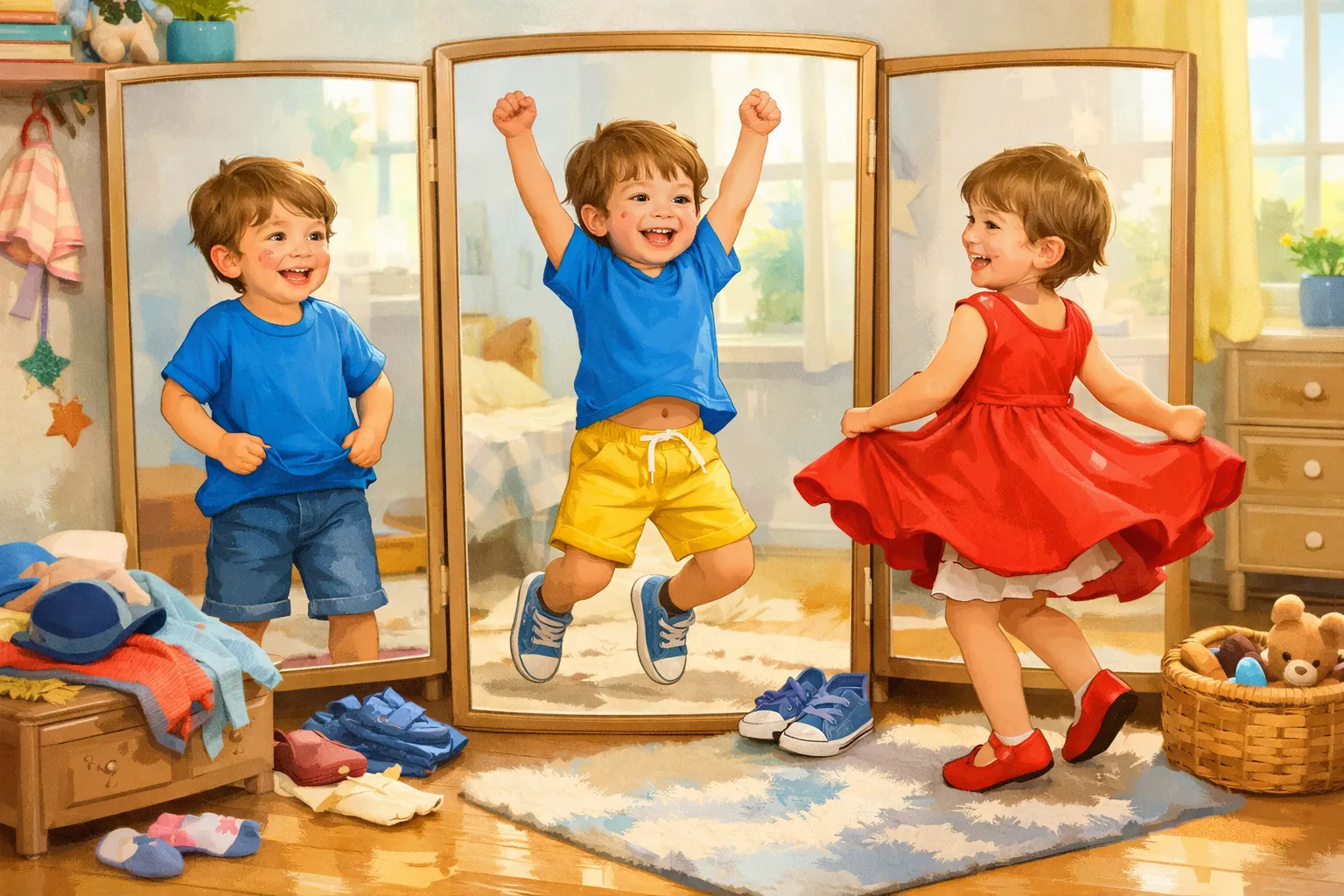
• Play dress-up: Try on different clothes. Describe what you are wearing using new English words.
• Draw your favorite outfit: Draw a picture of your favorite clothes. Label each item with its English word.
• Sing a song: Find English songs about clothes. Sing along to help remember new words easily.
Start Talking About Your Clothes in English
Learning clothes vocabulary helps you talk about many things every day. You can describe what you wear, what your friends wear, or what you need to buy. Practice these words often. Use them in sentences. This will make them easier to remember.
Keep practicing with the flashcards and examples. The more you use these words, the more natural they will become. Soon, you will be talking about clothes in English like a pro!
Stay updated on our latest tips and resources by following us on Instagram LearnLink.