English Language Testing and Assessment for Kids
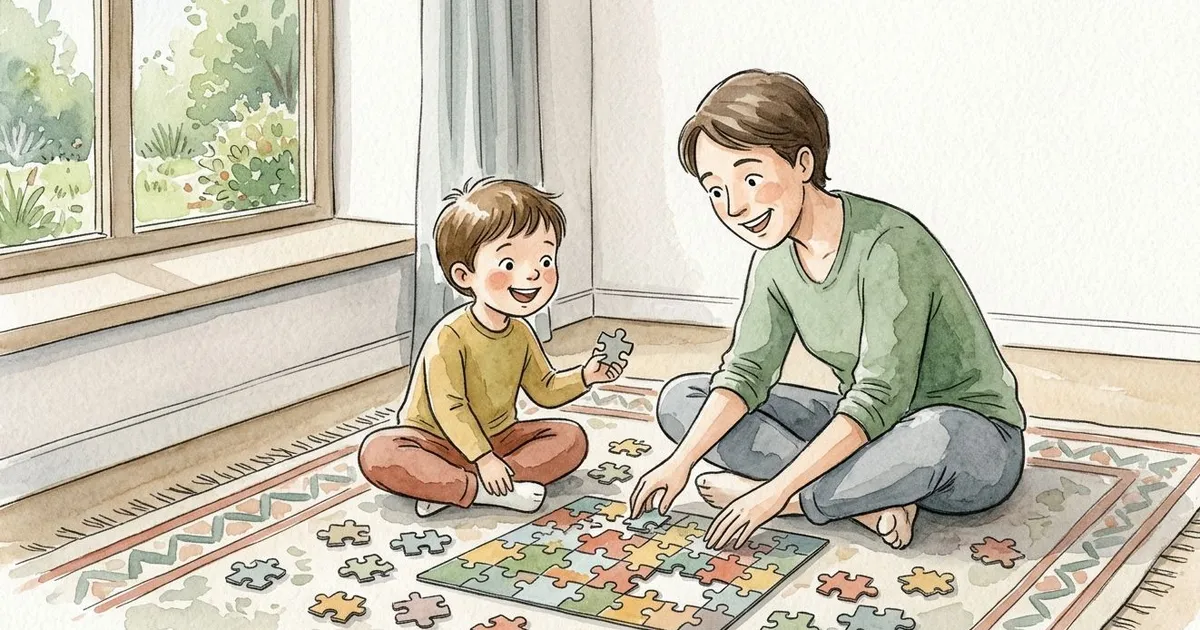
English Language Testing and Assessment for Kids means checking what a child understands, says, reads, and writes in English, then using that profile to choose the next steps. For families, the aim is not to label a child early. It is to see whether lessons are too easy, too hard, or well matched. A strong assessment checks speaking confidence, listening stamina, vocabulary range, grammar control, reading habits, and age-appropriate writing. It can guide school choices, online lesson planning, or exam decisions while protecting a child’s trust in learning.
📥 English Skills Checkup Cards
A child-friendly vocabulary and phrase set for talking about levels, progress, practice, and tests without pressure.
Leave your email — we'll send the PDF to your inbox.No spam — the PDF plus one short reminder. Unsubscribe anytime.
What Families Need to Know First
English Language Testing and Assessment for Kids works when it separates two questions. First: what can your child do now? Second: what should your child practise next? A score can help, but it is never the whole story, especially for children who are shy, bilingual, new to online learning, or stronger in speaking than writing.
For preschool learners, assessment should feel like a lesson with games, pictures, songs, quick questions, and clear choices. For primary learners, it can include brief reading tasks, sentence building, and a brief speaking exchange. For older learners, it may look closer to a school placement test, with grammar, reading, writing, and guided speaking.
At LearnLink, assessment sits inside teaching. In our online lessons, tutors watch how a child responds, asks for help, remembers new words, and uses English in small tasks. That gives families a fuller view than a worksheet alone.
Levels Are Helpful, but They Are Not Child Labels
Families often hear about CEFR levels: Pre-A1, A1, A2, B1, and beyond. These levels describe what a learner can do with language. A child near A1 may answer personal questions and understand classroom phrases. A child near A2 may talk about routines, plans, likes, and past events with support.
Children do not grow evenly across skills. A 7-year-old may speak freely but read slowly. A 10-year-old may know grammar from school but freeze in conversation. A multilingual child may understand patterns quickly but need time to build English spelling. English Language Testing and Assessment for Kids should show this uneven profile, not hide it behind one number.
Use levels as a map, not a rank. Ask, “What can my child do with English this month that they could not do before?” That keeps progress visible and lowers pressure.
When Exams Make Sense
External exams help when a family needs a formal goal, a school asks for evidence, or a child enjoys clear milestones. Cambridge English Qualifications for young learners, for example, use named stages such as Pre A1 Starters, A1 Movers, and A2 Flyers. Older children may later meet A2 Key or B1 Preliminary, depending on their school path and readiness.
An exam should not be the first step for every child. A first-time online learner may need weeks to feel at ease with a tutor, camera, turn-taking, and speaking in English without a parent answering for them. For younger children, confidence is part of readiness.
LearnLink teaches general English for preschool kids,4,000+ families may bring exam goals as context, and tutors can build the language skills behind those goals. Exam registration, official scoring, and guaranteed outcomes belong to the exam provider, not to a lesson platform.
Data current as of July 2026.
A Practical Timeline for Preparation
For a light school assessment, two to four weeks may be enough to review core topics, practise concise answers, and reduce nerves. For a formal external exam, children often need three to six months, depending on age, starting level, lesson rhythm, reading fluency, and English exposure outside lessons.
Start with a placement check. Then choose one focus for the next month: speaking in full answers, reading simple texts, spelling frequent words, or using past tense in short stories. Children progress faster when practice is narrow and repeated.
A family rhythm can be: one lesson goal, one home habit, one small check. After a lesson on food, your child might name five foods, ask “Do you like.?”, and read a brief menu. That is English Language Testing and Assessment for Kids in a low-pressure form.
How to Use Assessment at Home
Home checks should be brief. Ten minutes is often enough for a 5-7-year-old, while older children can manage 20-30 minutes if the task is clear. Stop before tiredness. A calm child shows more true language than a tired child trying to please an adult.
Use real prompts, not trick questions. Ask your child to describe a picture, retell a quick cartoon scene, read a small paragraph, or write three sentences about yesterday. Keep notes in plain language: “answers in single words,” “needs time to hear the question,” “uses because correctly,” or “reads well but avoids speaking.”
Do not correct every mistake during the check. If your child says, “He go to school,” note it and later practise “He goes.” During assessment, the goal is to see what comes naturally.
Quick Speaking Check
Show your child a picture from a book or family photo. Ask three questions: What can you see? What is happening? What do you think happens next? For preschool learners, accept words and simple phrases. For primary learners, listen for full sentences. For older learners, ask for reasons: Why do you think that?
Age-appropriate Examples
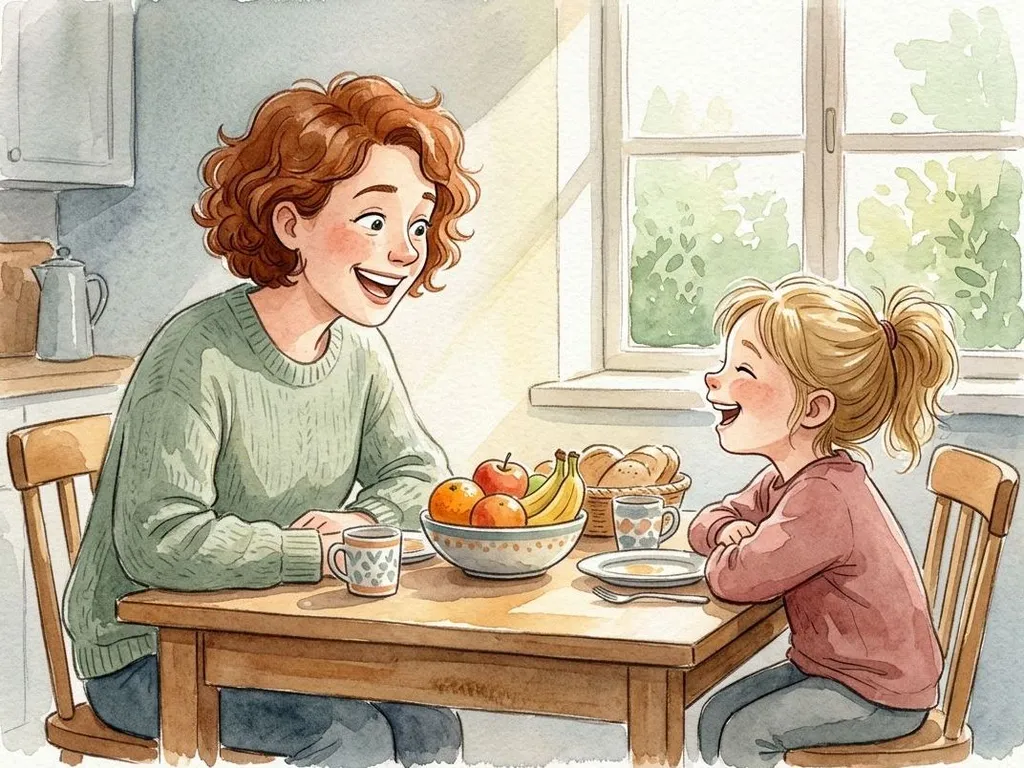
A 5-year-old should not be judged by spelling tests or long grammar sheets. Better signs include following “Point to the red car,” naming animals, joining a song line, or answering “What’s your name?” A young child may understand more than they can say, so listening tasks matter.
An 8-year-old can usually handle short exchanges: “What did you do at the weekend?” “I played football.” They can match sentences to pictures, read simple stories, and write concise answers with support. At this age, assessment should spot patterns: missed past tense, mixed he and she, or avoided longer answers.
A 13-year-old needs a more mature check. They may read a brief article, write an email, compare two pictures, or give an opinion. English Language Testing and Assessment for Kids at this age should respect the child’s maturity while keeping tasks fair and clear.
Practical Activities That Build Test Readiness
Strong preparation is not a stack of tests. It is regular English use in small, repeatable tasks. Children need to hear questions, find words, try sentences, make mistakes, and try again. That is how test confidence grows.
For younger children, use picture naming, “I spy,” matching cards, and short role play. For middle primary ages, add story retelling, sentence sorting, and reading races against their own previous time. For teens, use opinion prompts, compact summaries, email replies, and timed reading practice.
Mini Writing Task
Ask your child to complete these sentences: Today I feel ___ because ___. Yesterday I ___. Next weekend I want to ___. Younger children can say the answers aloud while you write. Older children can write, then improve one sentence by adding a reason, time word, or detail.
How to Read the Results
After any check, look for the next teachable step. If your child understands questions but answers with one word, practise sentence frames. If they know vocabulary but cannot read it, add phonics and simple texts. If they write accurately but avoid speaking, build safe speaking routines first.
Be careful with comparisons between siblings, classmates, or countries. A child who has attended an English-medium school and a child starting online lessons from home are not in the same situation. Measure progress against the child’s own starting point.
Effective English Language Testing and Assessment for Kids gives parents a clear plan: current strengths, two or three gaps, and the next month of practice. If a report is full of codes but gives no next steps, ask for clearer guidance.
- Review one result area with your child for five calm minutes.
- Choose one skill to practice this week: listening, speaking, reading, or writing.
- Try two age-appropriate picture books and note new words together.
- Practice one brief speaking task daily using familiar family topics.
- Use the next test to measure progress, not label ability.
For the rule wording, Wikipedia — English Grammar is a useful reference while the practice examples here stay adapted for children.
Frequently Asked Questions
What Age Should My Child Take an English Level Test?
A light level check can happen from age 4 if it is playful and spoken. Formal paper-style testing suits older children who can read, write, and stay with a task. For young learners, lesson observation often gives a fairer picture than a test sheet.
How Often Should We Reassess English Level?
For most children, every three to six months is enough. Weekly testing can make learning feel narrow and stressful. Between checks, watch for practical signs: your child answers faster, uses longer sentences, understands lesson instructions, reads with less help, or starts using English during play.
Can a Child Prepare for Cambridge-style Exams Through General English Lessons?
Yes, core skills overlap: listening carefully, answering personal questions, reading short texts, spelling frequent words, and writing clear sentences. Official exam preparation also needs practice with the exact task format and timing. LearnLink can support the language base, while families should use official exam materials for final format practice.
What If My Child Gets Nervous During Tests?
Start with brief, familiar tasks and remove the word “test” at home. Say, “Let’s see what feels easy and what we should practise next.” Let your child answer orally before writing. Praise effort and clear communication, not only accuracy. Nervous children often show more English when the adult slows down and gives wait time.
What Should a Good Assessment Report Include?
A clear report should name strengths, gaps, and next steps in plain language. It should cover listening, speaking, reading, and writing when age-appropriate. English Language Testing and Assessment for Kids should also mention confidence, independence, and task habits, because these shape how a child learns in real lessons.
If your child needs steady speaking practice, start small — choose a trial lesson.
Stay updated on our latest tips and resources by following us on Instagram LearnLink.