English Reading Fluency for Kids
Reading fluency means a child reads words accurately, at a steady pace, and with meaning in the voice. English reading fluency for kids is not racing through a page. It connects sounding out words with understanding a story, a science text, or a friend’s message. For children growing up with two or three languages, fluency grows through short, regular reading routines. A child may decode well but read in a flat voice, or understand a story when listening yet lose meaning when reading alone. Families help most by keeping reading time short, calm, and useful.
📥 Reading Fluency Phrase Cards
Short phrases to help kids read smoothly, accurately, and with expression
Leave your email — we'll send the PDF to your inbox.No spam — the PDF plus one short reminder. Unsubscribe anytime.
What Families Need to Know
Fluency has three parts: accuracy, pace, and expression. Accuracy means the child reads the words correctly. Pace means reading is smooth enough for the brain to hold meaning. Expression means the child notices full stops, questions, dialogue, and feeling.
English reading fluency for kids develops after children have enough phonics, sight words, and listening vocabulary. A 6-year-old may need help with short vowel words such as ship, shop, and shut. A 10-year-old may read the words correctly but need phrasing work: After the rain stopped, we went outside, not word by word.
For multilingual children, fluency can look uneven. A child may speak English freely but read slowly, or read well in another language and need time with English spelling. This is normal. English has complex spelling patterns, so steady exposure matters more than pressure.
Accuracy, Pace, and Expression
A fluent reader does not guess from the first letter. When a child reads There was a bright light in the sky as There was a big light in the sky, the sentence still makes sense, but the word is wrong. Gentle correction protects accuracy without turning reading into a test.
Pace should feel comfortable. If a child reads so slowly that each word stands alone, comprehension suffers. If a child reads too fast, small words and endings disappear. Ask your child to “read it like you would say it” rather than “read faster.”
Expression shows that the child follows meaning. Try a contrast: You did that? and You did that. The words are nearly the same, but the voice changes the message. This exercise is central to English reading fluency for kids because it joins language, sound, and sense.
How to Use This at Home
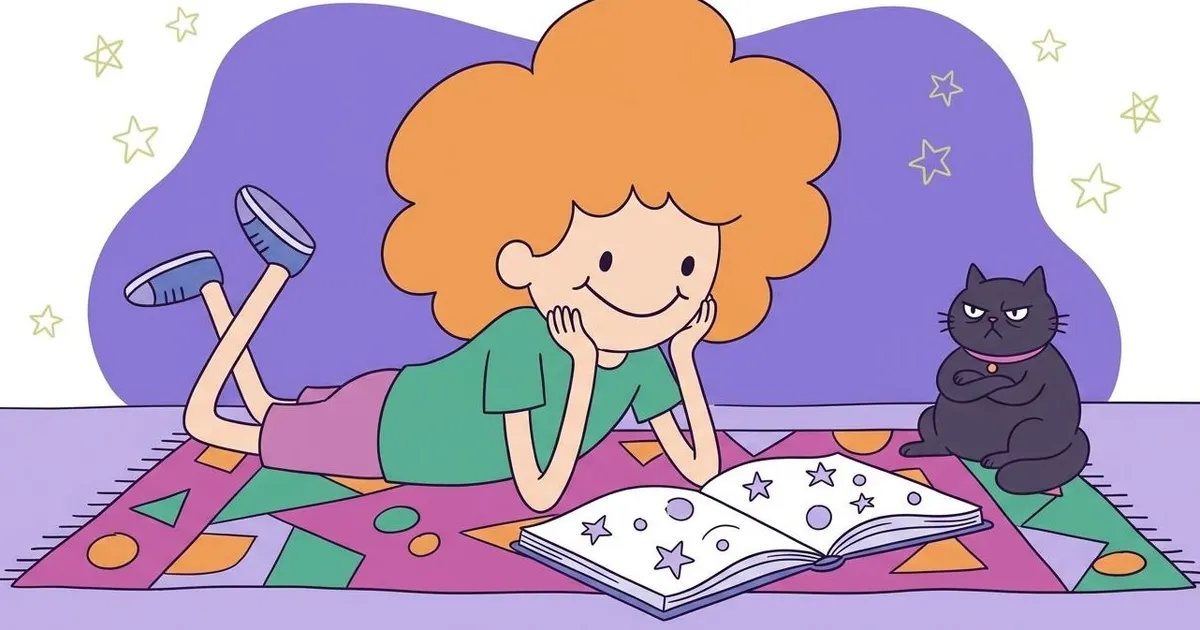
Use a short routine: one adult read, one shared read, one child read. First, read a paragraph aloud while your child follows with a finger. Next, read the same paragraph together. Then let your child read it alone. Keep the text short enough for success.
Ten minutes is enough for most children. A tired 7-year-old who reads two careful paragraphs has done stronger work than a child pushed through five pages with growing mistakes. For older children, choose texts they care about: sport, animals, space, music, recipes, comics, or school topics.
Do not correct every slip at once. Choose one focus for the day: endings, question voice, pausing at commas, or tricky vowel sounds. This helps English reading fluency for kids feel manageable instead of heavy.
Examples by Age
Children need playful sound work and short texts. Use rhymes, repeated lines, and picture books. A useful sentence might be: The cat can sit on the mat. Ask the child to read it, tap each word, and then read it again like a small story.
Children are often ready for repeated reading. Give them a paragraph of 40-80 words. Mark one or two pauses. A sentence such as When Ben opened the box, he found a tiny green frog teaches phrasing, punctuation, and story voice.
Children need fluency for longer school texts as well as stories. They may practise reading an explanation aloud: Water changes into steam when it is heated. Then ask one meaning question. Fluent reading should support understanding, not replace it.
A Simple Fluency Comparison
Families sometimes wonder whether to use phonics drills, story reading, or audiobooks. Each helps a different skill. A strong weekly routine combines two or three methods.
The table below shows when each option is most useful. Use it to match the task to your child’s need, not to label your child as “good” or “weak.”
Practical Activities
Strong fluency work is active. The child should hear strong reading, reread the same text, and understand the words. Choose texts easy enough for fluency training; this kind of reading work should not be packed with unknown words.
Across LearnLink lessons, our tutors use short reading tasks with one aim: one sound pattern, one story voice, one grammar point, or one comprehension goal. At home, the same idea works. Keep the task small and name it: “Today we are working on question voice.”
Activity 1: Read It Three Ways
Choose one sentence: I cannot find my red pencil. First, read it slowly and clearly. Second, read it like you are worried. Third, read it like you have just solved the problem. Ask your child which reading sounds most natural and why.
Exercise 2: Mark the Pauses
Read this sentence and add small pauses after the commas: On Saturday morning, Mia packed her bag, closed the door, and ran to the bus. Then read it again without stopping after every word. The aim is smooth groups of meaning.
Task 3: Fix the Meaning
Ask your child to read: The sheep were sleeping under the tree. If they say ship for sheep, point to the word and ask, “Does that match the picture in your mind?” Then review sheep, sleep, tree before reading the sentence again.
Common Mistakes to Watch For

One common mistake is using texts that are too hard. If a child stops on almost every line, the task has become decoding work, not fluency building. Choose an easier text for fluency, and save the harder book for shared reading.
Another mistake is timing every reading. Timed reading can help in some school settings, but at home it may make children rush. A better question is: “Did it sound like English?” This supports English reading fluency for kids without making speed the main goal.
A third mistake is separating reading from meaning. After a short passage, ask one concrete question: “Where did the boy go?” or “Why was the girl surprised?” If the child cannot answer, reread together and model how the voice follows the sense.
- Choose one level-appropriate book for ages 6-8 and reread it twice.
- Use echo reading for five minutes, copying your child’s pace gently.
- Use a finger tracker to reduce skipping and support smoother phrasing.
- Pause after each page and ask one simple comprehension question.
- Celebrate accurate expression before correcting small mistakes in pronunciation.
For reading and phonics support beyond the article examples, Scholastic Parents is a helpful independent resource for parents.
Frequently Asked Questions
How Long Should My Child Read Each Day?
For most children, 10 minutes of focused reading is a strong start. Older children may manage 15-20 minutes if the text is suitable. Stop while the reading still feels calm. Short daily sessions help more than one long weekend session.
Should I Correct Every Reading Mistake?
No. Correct mistakes that change meaning, repeat often, or match the day’s focus. If your child says home instead of house, pause and point to the word. If the mistake is small and meaning stays intact, note it and decide whether it needs review later.
What If My Child Reads Well in Another Language but Slowly in English?
That can happen because English spelling is less regular than several writing systems. Your child may already understand how reading works, but still need time with English sound patterns, sight words, and phrasing. English reading fluency for kids grows well when families respect the child’s other languages and build English step by step.
Are Audiobooks Helpful for Reading Fluency?
Yes, when the child also sees the text. Listening alone builds language and story sense, but listening while following the page helps children connect print, sound, and expression. After listening to a page, ask your child to reread a short part aloud.
When Should I Ask for Extra Help?
Ask for support if your child avoids reading for several weeks, guesses most words, cannot remember common words after repeated exposure, or becomes upset each time reading starts. A tutor or school specialist can check whether the issue is phonics, vocabulary, attention, confidence, or text level.
A short one-to-one lesson can show what level and pace fit your child — book a free English lesson.
Stay updated on our latest tips and resources by following us on Instagram LearnLink.