How to Teach a Child to Read
Learning how to teach a child to read is a systematic process, transforming abstract symbols into meaningful stories and ideas. It combines several skills: recognizing sounds, decoding letters, and understanding context. For international families we work with, this journey is a cornerstone of their child's English language development. This guide offers an evidence-based framework for how to teach a child to read, detailing stages for parents.
📥 First Reading Skills Practice Pack
A printable mini-set for practicing sounds, letters, sight words, fluency, and story understanding.
Leave your email — we'll send the PDF to your inbox.No spam — the PDF plus one short reminder. Unsubscribe anytime.
The Foundation: Phonemic Awareness
Before children read words, they must hear the individual sounds (phonemes) within them. Phonemic awareness, an auditory skill, involves no print. It identifies and manipulates spoken sounds—for example, knowing "cat" has three sounds: /k/, /æ/, /t/. This is the critical first step in the journey of how to teach a child to read. Our data from helping children in over 100 countries shows early focus here accelerates progress. Practice this skill through songs, rhymes, and sound games before introducing a book. Explore fun and effective activities to teach English that build this auditory foundation.
Data current as of July 2026.
Exercise: Sound Blending Game
Say the sounds of a three-letter word slowly, with a pause between each sound. For example, say "/b/. /a/. /t/". Ask your child to blend the sounds together to say the whole word: "bat". Start with familiar words and gradually introduce new ones. This practice builds decoding skills.
Introducing Phonics: Connecting Sounds to Letters
Phonics bridges spoken sounds and written letters, teaching the relationship between phonemes (sounds) and graphemes (letter combinations). A structured phonics program is central to any strategy for how to teach a child to read. This involves systematically teaching letter sounds, starting with frequent ones and moving to complex combinations. For instance, a child learns 's' makes the /s/ sound. Consistency matters. Parents should focus on clear, correct sound-letter associations. Knowing how to improve English for kids often starts with mastering these basics.
Building a Core of Sight Words
Phonics is vital, but not all English words follow the rules. Sight words are high-frequency words like "the," "was," and "said" that children recognize instantly, without sounding out. Memorizing these words builds reading speed and confidence, comprising a large percentage of encountered text. Flashcards, games, and story pointing are ways to build sight word vocabulary. The goal is automaticity. This strategy is crucial for how to teach English for kids, freeing mental energy for challenging words.
From Words to Sentences: Developing Fluency
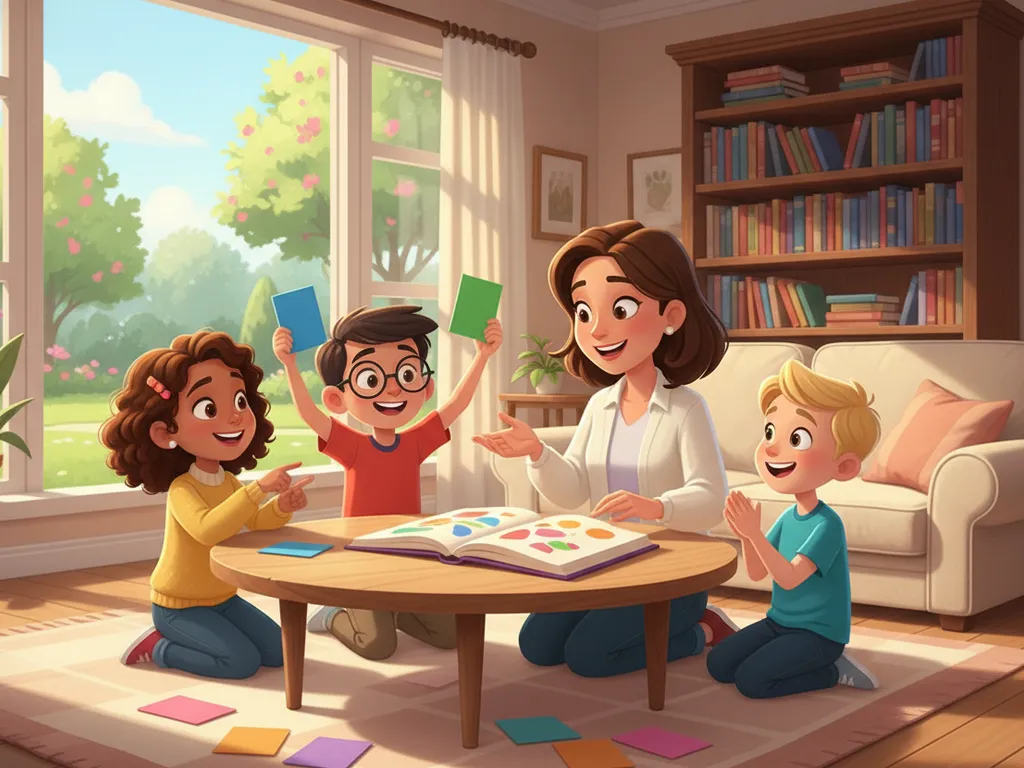
Fluency is reading with speed, accuracy, and proper expression. It marks a confident, independent reader. Once a child decodes individual words, the next step is smooth sentence reading. Developing reading speed and accuracy is a stage when considering how to teach a child to read. Repeated reading is a proven method: a child reads the same short passage multiple times until smooth. This builds confidence, showing reading conveys meaning and emotion, not just words. For parents wondering how to help their child learn English at home, reading aloud together is a fluency-building activity.
Fostering Comprehension: Understanding the Story
Ultimately, how to teach a child to read aims not just for decoding, but understanding meaning. Comprehension processes text, understands its message, and integrates it with prior knowledge. From the start, parents should encourage thinking about what is read. Ask questions before, during, and after a story: "What do you think will happen next?" or "Why did the character do that?" This transforms reading into an active, engaging conversation. It is a vital skill for raising a bilingual child who can think critically in multiple languages.
Summary and Next Steps
To recap the stages of teaching reading:
- Start with sounds — Build phonemic awareness through rhymes and oral games before introducing letters.
- Teach phonics systematically — Connect letters to their frequent sounds in a structured way.
- Introduce sight words — Help your child memorize high-frequency words for reading fluency.
- Encourage comprehension — Discuss stories to ensure meaning comprehension.
These steps guide your child toward confident, joyful reading. Patience and consistency are required, but rewards are lifelong. Consider choosing an English teacher to guide this process.
For reading and phonics support beyond the article examples, Scholastic Parents is a helpful independent resource for parents.
Frequently Asked Questions
At What Age Should I Start Teaching My Child to Read?
Most children are developmentally ready to begin learning to read between ages 5 and 7. However, build pre-reading skills (phonemic awareness, vocabulary) earlier through conversation, singing, and reading aloud. Focus on exposure and enjoyment, not formal instruction. Every child develops at a different pace, so follow their lead. Exploring why you should start a second language early can provide more context.
What If My Child Is Not Interested in Learning to Read?
For a reluctant learner, how to teach a child to read should be fun and pressure-free. Connect reading to their interests. If they love dinosaurs, find exciting books about dinosaurs. Use games, magnetic letters, and interactive apps. Keep sessions short (5-10 minutes) and positive. The goal is to build positive associations with books and stories. A qualified tutor can help find materials matching your child's interests. Knowing your child's current English level helps tailor the approach.
Should I Use Phonics or Sight Words? Which Method Is Better?
It's not an either/or question. A balanced literacy approach, combining systematic phonics and sight words, is the optimal method. Phonics provides tools to decode new words, while a strong sight word vocabulary builds fluency and confidence. These tools work together to help a child become a skilled reader. This is a core principle in our guide for teaching English to a 5-year-old.
Reading is a foundational skill that opens up a world of knowledge and imagination. Our certified tutors create personalized, engaging lessons that make learning to read a joyful adventure — book a trial lesson with LearnLink and see how our approach can build your child's confidence.