Fun And Effective Activities To Teach English To Kids
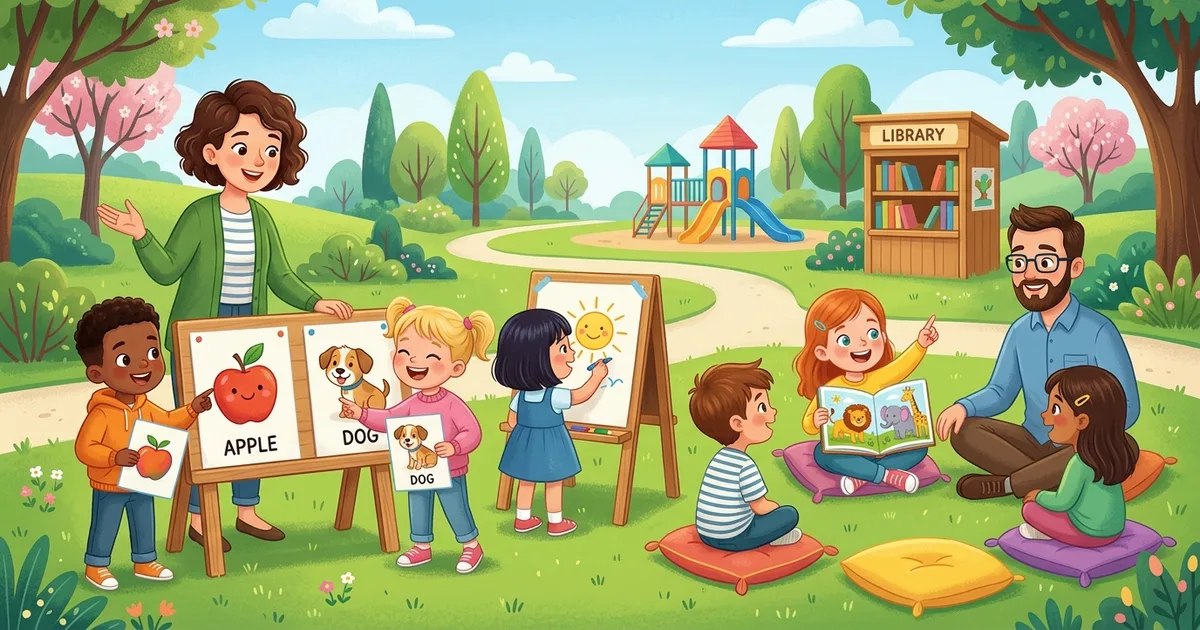
Studies show that children who learn a second language through play-based methods are more engaged than rote methods. Finding fun and effective activities to teach english to kids is a proven strategy for building lasting language skills. Our educational team sees how the right approach transforms learning from a chore into an adventure. This guide explores fun and effective activities to teach english to kids, helping you create an immersive environment at home. We cover how to teach English and age-specific methods, including how to teach English to a 5-year-old.
📥 Playful English Activity Word Cards
Vocabulary cards for games, storytelling, crafts, and daily practice with children
Leave your email — we'll send the PDF to your inbox.No spam — the PDF plus one short reminder. Unsubscribe anytime.
What Makes an English Activity Both Fun and Effective?
Before diving into specific examples, understand the criteria separating a game from a powerful learning tool. Impactful activities share four characteristics. Activities must secure child interest, then build language skills systematically. This is the core principle of fun and effective activities to teach english to kids.
- Active Participation: The child should be doing, speaking, or creating, not just passively watching.
- Contextual Learning: Words and grammar learned through meaningful tasks (e.g., recipes, stories), not isolated lists.
- Repetition Without Rote: Activities encourage hearing and using new language repeatedly in engaging ways.
- Clear Goals: Each activity needs a manageable objective (e.g., practicing five food words, asking "Do you have.?").
Top 5 Storytelling and Reading Activities
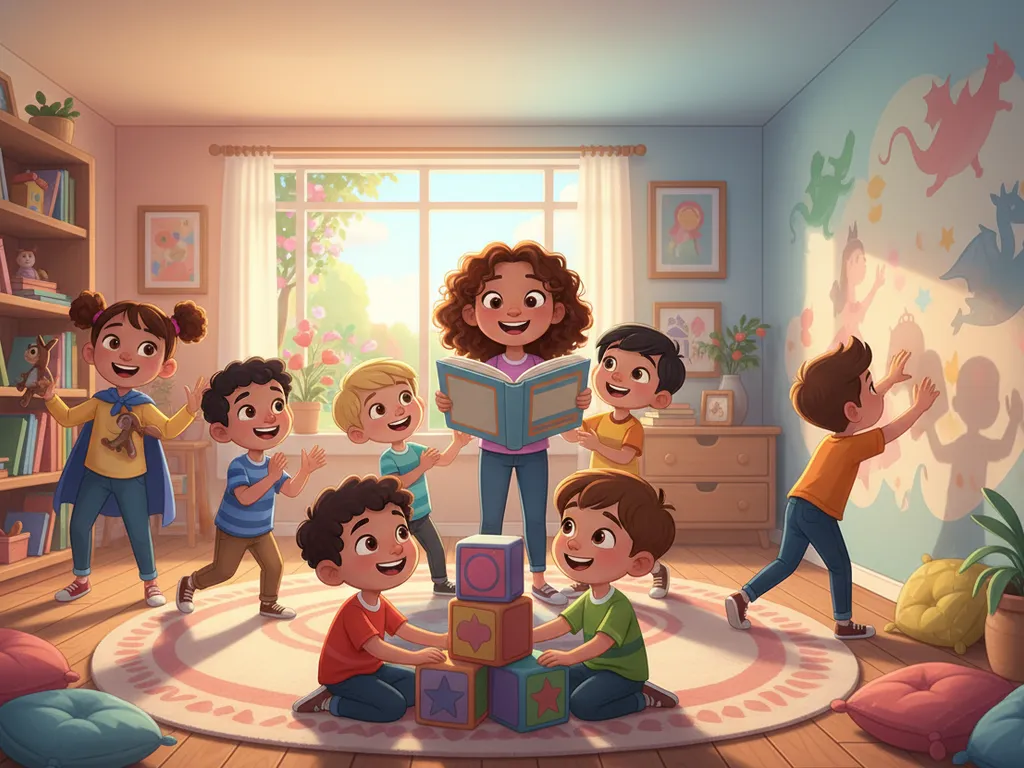
Narratives drive language acquisition. They provide context, introduce vocabulary, and model sentence structure. Stories build comprehension and expression. These methods are fun and effective activities to teach english to kids.
- Interactive Read-Alouds: Ask questions about pictures, have your child predict next events, and use different character voices. This turns passive listening into active English reading for kids.
- Story Creation with Puppets: Use socks, paper bags, or store-bought puppets to act out stories. Let your child lead, encouraging spontaneous speech and creative vocabulary.
- Comic Strip Making: For children who enjoy drawing, creating a three-panel comic strip practices sequencing and dialogue. It provides a foundation for English writing for kids.
- Audiobooks and Podcasts: Listening to stories helps children internalize English rhythm and intonation. Choose from many English podcasts for kids.
- 🔤 Spy" with Storybooks: While reading, play "I spy." using colors, shapes, or objects on the page. This reinforces vocabulary and observation skills.
Top 5 Game-Based Learning Activities
Games add friendly competition and clear rules, motivating young learners. They provide a structured environment for repetition and feedback. A game focuses on a specific skill, making it a targeted fun and effective activity to teach english to kids.
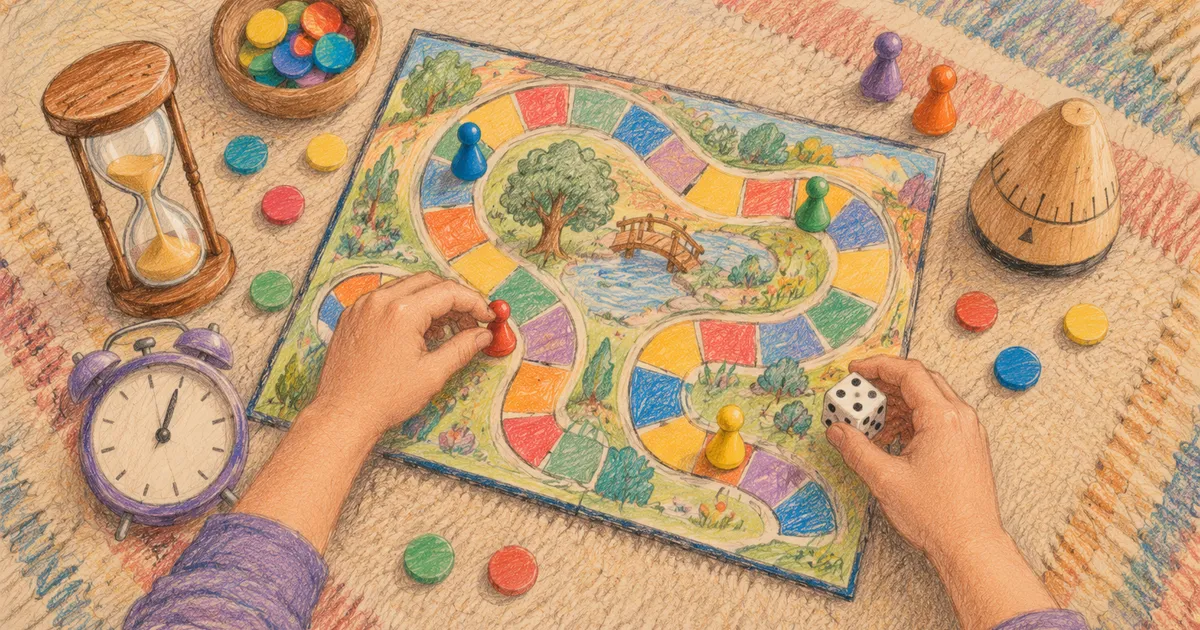
- Board Games: Games like Snakes and Ladders can be adapted. A child must name an object or use a verb to take their turn. Many games to learn English can be modified for home use.
- Digital Language Apps: Choose apps focusing on interactive gameplay, not simple flashcards. Look for features encouraging speaking and positive reinforcement.
- Charades or Pictionary: These classic games practice verbs and nouns. They require no special equipment and get children moving.
- Simon Says: Teaches commands, body parts, and prepositions (e.g., "Simon says put your hands on your head").
- Vocabulary Scavenger Hunt: Give your child a list of three to five items to find. This makes learning household vocabulary active and engaging, and is an example of interactive English lessons for kids.
Top 5 Creative and Hands-On Activities
Connecting English to real-world actions cements learning. When children use language cooking, crafting, or singing, they build stronger neural connections. This hands-on approach is a favorite type of fun and effective activities to teach english to kids.
- Cooking Together: Follow an illustrated recipe in English. This teaches food vocabulary, actions (mix, pour, stir), and measurements.
- Crafting and Art Projects: Narrate the process in English: "First, we take the blue paper. Now, we cut a circle." This practices colors, shapes, and sequence words.
- Singing English Songs: Action songs like "Head, Shoulders, Knees, and Toes" suit kinesthetic learners. Melody and rhythm make vocabulary memorable.
- Planting a Garden: Tending a plant or window box provides opportunities to learn words for nature, tools, and growth. These can be part of daily vocabulary themes for kids.
- Building with Blocks: Use blocks to practice colors, shapes, prepositions (on, under, next to), and possessive adjectives ("my tower," "your block").
How to Choose the Right Activities for Your Child
Not all activities suit every child. Match activities to your child's personality, interests, and learning style. A child who loves movement benefits more from Charades than a worksheet. Consider preferences to ensure motivation. This provides opportunities for kids' English speaking practice.
Use this table to guide choices:
For a structured path, a kids' English online course provides a curriculum blending these styles.
Common Pitfalls to Avoid
Even with good intentions, parents can hinder progress. Awareness of common mistakes helps create a positive learning environment.
- Over-correcting: Constant correction lowers confidence, making children afraid to speak. Instead of "That's wrong," model the correct form. If they say "I goed to the park," respond, "Oh, you went to the park! What did you see?" This is important when you teach irregular verbs.
- Relying Only on Passive Screen Time: While educational cartoons are useful, language is learned through interaction. Balance screen time with active, two-way communication.
- Forcing Activities: If a child isn't enjoying an activity, don't force it. Motivation drives learning. Try a different approach or revisit it later.
- Inconsistent Practice: Short, regular sessions (15-20 minutes daily) are more effective than one long weekly session. Consistency builds momentum and keeps language fresh.
Comparison of Recommended Activity Types
To help you decide, here is a summary of activity categories. Each has unique strengths catering to different learning goals and preferences.
Summary and Next Steps
To summarize:
- Focus on Interaction: Choose activities requiring active listening, speaking, and participation.
- Keep it Consistent: Aim for short, daily English exposure rather than infrequent, long lessons.
- Match the Method to Your Child: Pay attention to your child's interests and learning style for motivation.
- Model, Don't Correct: Create a low-pressure environment by modeling correct language instead of pointing out errors.
These steps provide a solid foundation for your child's English journey.
When a word has several meanings or pronunciations, Cambridge Dictionary is a useful check before turning it into child-friendly examples.
Frequently Asked Questions
What's the Best Age to Start Teaching a Child English?
No single "best" age exists, but 4-7 is often ideal. Children are naturally curious about language and pick up new sounds easily. Start when the child shows interest, keeping the process playful. We recommend introducing fun and effective activities to teach english to kids as soon as they show curiosity, often around ages 4 or 5.
How Much Time Should We Spend on English Activities Each Day?
Consistency outweighs duration. For children, 15-25 minutes of focused, interactive English daily is effective. This could be one or two short activities. A positive 15-minute session is better than a frustrating hour-long one.
My Child Already Speaks Two Languages. Will Adding English Be Confusing?
No, research shows young children's brains handle multiple languages well. Bilingual children often find it easier to learn a third language. Introduce English using the same playful, low-pressure methods; they will naturally differentiate languages.
What If My Own English Isn't Perfect?
Enthusiasm outweighs perfect grammar. Learn alongside your child. Use resources like audiobooks, songs, and educational shows for native pronunciation models. Your willingness to engage and learn with them creates a positive, supportive atmosphere—the most important factor for success.
Ready to see these principles in action? Our certified tutors specialize in making learning joyful and effective for young children, giving your child the gift of confident communication — book a trial lesson with LearnLink.