English Game for Kids — Best Picks by Age
An english game for kids turns vocabulary drilling into play—the fastest language absorption method for children aged 4 to 15, beating any worksheet. Language acquisition research consistently shows low-stress, interactive activities reduce memory-blocking anxiety. Whether your child just started or manages simple conversations, the right game adds 20 to 30 minutes of daily, resistance-free English practice. Across LearnLink lessons, our tutors use structured games as core delivery methods, never mere tacked-on rewards.
📥 Game-Time English Phrase Cards
Printable phrase groups for turning board games, card games, movement games, and screen games into English practice.
Leave your email — we'll send the PDF to your inbox.No spam — the PDF plus one short reminder. Unsubscribe anytime.
Why Games Accelerate English Learning
Focused on winning a snap round or finishing a board game, children store attached language in long-term memory, bypassing short-term recall. Cognitive load theory explains this: brains store information efficiently during meaningful tasks. A well-chosen english game for kids creates exactly that condition—words become tools, not study objects. For parents, English Game for Kids — Best Picks by Age works best when practice is short, visual, and repeated every week.
Repetition drives further progress. Games cycle through identical vocabulary dozens of times per session. A child playing an animal-themed memory card game encounters "elephant" eight times before finishing, far exceeding flashcard output. Game-based repetition feels natural, prompting children to tolerate—and request—much more practice.
Social, turn-based games consistently outperform solo drilling across all age groups, even for shy children. Competitive or cooperative dynamics sustain high engagement, cementing genuine learning. LearnLink tutors utilize this pattern every session, guiding four-year-olds matching picture cards and fifteen-year-olds debating quiz answers.
Types of English Games Worth Knowing
Not every game suits every learner. Main categories include card games (matching, snap, Go Fish), vocabulary-adapted board games, gamified digital apps, physical games (Simon Says, freeze dance), and plot-advancing storytelling games requiring sentence building. The ideal The best english game for kids matches the child's temperament alongside their proficiency level.
Ages four to six respond well to movement games; connecting an English word to body actions creates strong memory anchors. Ages seven to ten represent the prime range for structured, rule-based card or board games. From eleven to fifteen, competitive quiz formats, escape-room puzzles, and narrative digital games keep older children genuinely engaged, preventing mere compliance.
Storytelling games deserve special mention for multilingual families. Children speaking two or three languages can transfer strong story comprehension skills into new English vocabulary, building existing knowledge, avoiding zero-point starts.
How to Choose the Right Game by Age and Level
Language level, not age, provides the first filter. A seven-year-old beginner needs no English exposure needs picture-based matching games; a seven-year-old with two years' English schooling requires greater grammatical challenge. Pre-assessing level prevents mutual frustration.
Seek games where English is the operating language, avoiding mere themes. Many "educational" products run entirely on pictures or universal symbols, requiring zero English comprehension. A genuine english game for kids demands English production or understanding for participation and progress. Games allowing silent, reading-free completion fail your core goal.
Cooperative games lower stakes for anxious beginners. Winning together allows limited-vocabulary children to contribute comfortably, avoiding exposure. Our tutors frequently introduce cooperative formats first, shifting toward individual challenge games once children build sufficient vocabulary confidence.
Screen Games Versus Offline Play
Choosing a screen-based english game for kids offers one clear advantage: solo playability. In non-English-speaking households, adaptive apps provide consistent English input. Automatic difficulty adjustments keep children working at their current ability edge—the fastest acquisition zone.
Offline games create something screens cannot fully replicate: real-time, unpredictable communication. Negotiating rules, challenging cards, or explaining moves forces children to use in English, they produce language under mild social pressure—the exact condition building conversational fluency. Both formats play clear roles; effective home routines utilize both weekly.
Getting the Most Out of Every Session
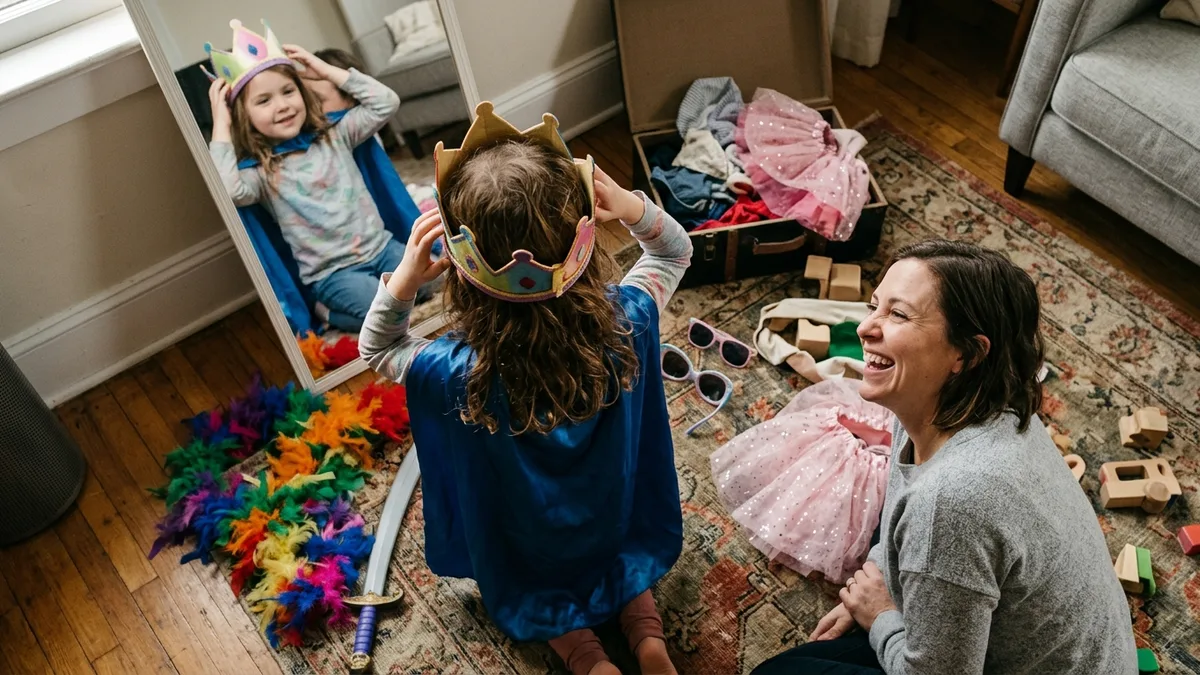
Setup matters equally. Before starting, vocalize key vocabulary together—not as formal lessons, but practical briefings: "We need these words to play." This two-minute preview reduces frustration, considerably accelerating mechanical engagement.
Resist mid-play error correction. Communicative language teaching research consistently shows mid-turn corrections break flow and raise anxiety. Note problem areas, addressing them naturally post-round. An english game for kids works best during predictable weekly slots—Tuesday after school, Saturday morning. Three 20-minute weekly sessions produce stronger results than one two-hour marathon.
Building a Weekly Routine at Home
Start with two 20-minute weekly sessions. Dedicate one to familiar games; known rules free mental energy for language processing. Use the second session introducing new formats, stretching vocabulary and maintaining motivation.
Keep short fridge word lists from whichever english game for kids you played weekly. Point to words casually—at dinner, during car rides, before bed. This out-of-game exposure multiplies retention without adding formal study time. Involving siblings helps: younger children hearing older siblings use English fluently gain highly effective home comprehension models.
Try It This Week: The Household Word Hunt
Set a five-minute timer. Your child walks around the house naming objects in English—one point per word, two points per full sentence ("This is a lamp"). Post-timer, look up unknown words together. Next session, write those words on index cards, creating a memory matching game. Setup time: zero. Cost: zero.
For the child-development context behind this advice, American Academy of Pediatrics gives a broader reference point for parents.
Frequently Asked Questions
At What Age Should Children Start Playing English Games?
Children can begin at age three or four using simple movement games like Simon Says or picture-matching. Action songs count as an english game for kids, often providing the most effective entry point. Ten- to 15-minute sessions suffice; ending during high enthusiasm leaves children requesting more tomorrow. Match formats to physical and cognitive capacities, avoiding premature formal rules.
How Long Should a Game Session Last for a Six-year-old?
Fifteen to 20 minutes represents the practical sustained engagement ceiling at age six. Dropping attention degrades language production quality. Two or three short weekly sessions outperform single long ones. Stop while your child enjoys the activity, returning tomorrow, rather than pushing through and associating English with fatigue.
Can Games Replace Formal English Lessons?
Games provide powerful supplements, not full substitutes. They build vocabulary and listening skills efficiently, but systematic grammar, reading, and writing work requires trained approaches. The most effective setup pairs a good english game for kids at home with regular tutor-led lessons addressing all language skills—each format accomplishing what the other cannot.
My Child Loses Interest After Five Minutes. What Should I Do?
First, check difficulty levels. Boredom indicates excessive ease; early frustration signals excessive difficulty. Try shortening rounds, adding physical elements (jumping before answering, slapping correct cards), or switching toward cooperative, beat-the-clock formats. If formats seem appropriate but attention remains short, end the session, trying again tomorrow.
Are Free English Game Apps Useful, or Do Paid Ones Produce Better Results?
Many free apps provide genuine value, particularly building beginner vocabulary and listening skills. Depth remains the primary limitation; free tiers often omit grammar or speaking practice. Evaluate apps by checking whether advancement requires speaking or writing English, avoiding mere picture-tapping. Progress requiring zero language production remains limited progress.
Start your child's English journey today — book a trial lesson with LearnLink.
Stay updated on our latest tips and resources by following us on Instagram LearnLink.