20 Best English Songs for Kids Learning English
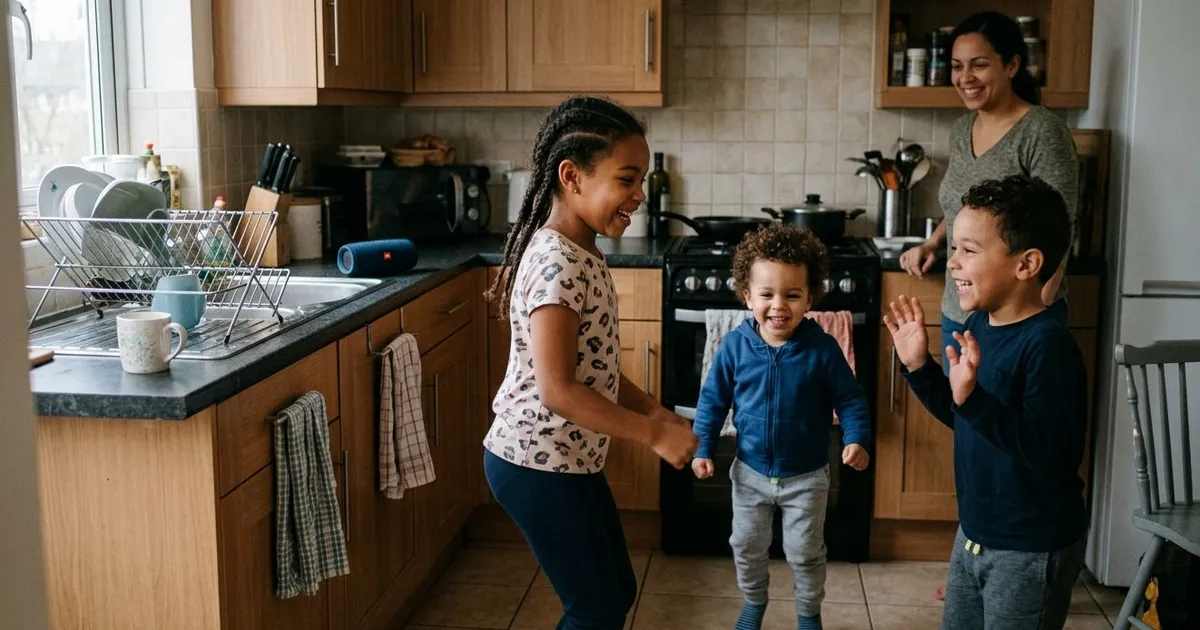
Musical integration facilitates language acquisition by engaging auditory memory and phonological awareness in early childhood. Research indicates that rhythmic patterns and melodic structures assist children in identifying word boundaries and phonetic nuances. These 20 best english songs for kids provide a foundational framework for developing native-like pronunciation and syntactic recognition through repetitive exposure.
Cognitive Benefits of Musical Language Instruction
Music serves as a mnemonic device, enhancing cognitive recall through melody and rhyme. Systematic use of 20 best english songs for kids supports several developmental areas:
- Repetition: Frequent phrase recurrence solidifies memory.
- Rhythm: Beats assist in mastering English prosody and word stress.
- Listening Proficiency: Audio tracks improve sound discrimination.
- Vocabulary Expansion: Contextual lyrics introduce thematic word groups.
For preschool kids, musical language instruction is most effective when a song is treated as a short learning cycle rather than background entertainment. A 10-minute routine can begin with one focused listening pass, followed by echo singing in 3-5 word chunks, then a movement task that maps meaning to action, such as touching body parts, arranging picture cards, or stepping on the stressed beat. This sequence supports working memory because children hear, repeat, and physically encode the same language through different channels. With english songs for kids, teachers can target one linguistic feature per lesson, such as plural endings in “Five Little Ducks,” prepositions in “Incy Wincy Spider,” or question forms in call-and-response songs. A common mistake is playing the full track several times and assuming repetition alone produces comprehension. Young students may memorize the sound pattern while missing the meaning, so each chorus should be paired with a visible cue, a gesture, or a quick check such as “Show me the word that means small.”
The cognitive benefit also depends on pacing and retrieval. After children can sing a verse with support, the teacher can remove selected words and ask them to supply the missing language from memory, first with picture prompts and later without them. For example, in a class of 6-year-olds, blanking 4 target words from a familiar song creates a manageable recall challenge without interrupting fluency. Rhythm can then be used to reinforce pronunciation: pupils clap once for each syllable, tap louder on stressed syllables, and compare pairs such as “banana” and “apple” to notice stress patterns. This is especially useful because children often over-pronounce every syllable equally when reading lyrics. Short post-song tasks strengthen transfer from singing to speech. Students might sort 8 lyric words into categories, retell the song sequence using first, next, and finally, or replace one noun in a verse to create a new sentence. These activities keep the melody as memory support while gradually shifting attention toward independent language use.
Song Selections for Vocabulary Development
The following selections assist students to build up their vocabulary and improve oral fluency through structured repetition.
Kinship and Action Verbs
“Baby Shark” introduces kinship terms and action words. Children practice verbs like "swim" and "run" through synchronized gestures. This track utilizes high-frequency repetition to ensure word retention.
Prepositions and Onomatopoeia
“Wheels on the Bus” is ideal for preschoolers growing their language skills. It focuses on prepositions and mechanical onomatopoeia. The narrative structure aids in understanding cause-and-effect sequences.
Animal Identification
“Old MacDonald Had a Farm” categorizes names of animals and corresponding vocalizations. It reinforces categorization skills and phonetic imitation. This method is a core part of the 20 best english songs for kids curriculum.
Anatomy and Coordination
“Head, Shoulders, Knees and Toes” teaches anatomical terminology. Increasing the tempo challenges the learner's processing speed and motor response. Physical coordination exercises link nouns directly to body parts.
Instructional Implementation Strategies
Effective implementation of 20 best english songs for kids requires consistency and multi-sensory engagement. Educators should follow these protocols:
- Daily Integration: a regular part of your child’s day ensures habituation.
- Visual Support: Use songs about the alphabet with flashcards for letter recognition.
- Gamification: turn language learning into a fun activity using playful songs.
1. In "Baby Shark," which family member comes after Mommy? ________
2. Name three body parts mentioned in "Head, Shoulders, Knees and Toes": ________, ________, ________.
3. What sound does a cow make in "Old MacDonald"? ________
Educational Outcomes and Professional Support
Research confirms that Helping children learn English through 20 best english songs for kids improves long-term fluency. LearnLink supports families around the world across many countries with a network of experienced tutors. To optimize results, follow these steps:
Data current as of June 2026.
- Select songs matching the child's current vocabulary level.
- Use gestures to illustrate every active verb.
- Repeat the same track daily for one week.
- Ask the child to identify specific nouns in the lyrics.
When a word has several meanings or pronunciations, Cambridge Dictionary is a useful check before turning it into child-friendly examples.
Frequently Asked Questions
At What Age Should Children Start Learning English Through Songs?
Instruction can begin in infancy to build phonological awareness. Formal vocabulary acquisition typically accelerates between ages two and five.
How Many Times Should a Song Be Played?
Repetition is vital for memory consolidation. Playing a song 5-10 times over several days helps secure new terminology.
For toddlers and preschoolers, the most effective songs are short, predictable, and tied to movement. A useful target is 60-90 seconds per song for ages two to four, with one clear language focus such as colors, numbers, body parts, greetings, or action verbs. After the first play, the adult can model a simple response: point to the named object, clap on the repeated word, raise a hand for “hello,” or touch knees, shoulders, and toes as they are sung. Children do not need to pronounce every word immediately; listening, gesturing, and joining in on the final word of a repeated line are valid early steps. A common mistake is choosing songs with too many new nouns at once, which turns the activity into passive entertainment. Three to five target words per song is usually enough, especially when those words appear in the same order each time.
For children aged five to seven, songs can support more explicit learning without becoming a formal lesson. One practical routine is “listen, act, pause, repeat”: first play the whole song, then replay one verse while children perform gestures, then pause before a predictable word so they can supply it, and finally sing the verse again with the recording. This works well with english songs for kids because melody gives children a memory cue while rhythm helps them notice syllables and stress. At this age, teachers and parents can also ask one focused comprehension question after the song, such as “What animal did you hear?” or “Which action came after jump?” rather than testing every line. For children aged eight to ten, add a printed lyric gap-fill with five missing words, then let them check answers during a second listen. The main error to avoid is correcting pronunciation after every attempt. Instead, repeat the correct model naturally and invite the child to sing the line again with the group or recording.
Stay updated on our latest tips and resources by following us on Instagram LearnLink.