Daily Vocabulary and Word Challenges for Kids
Daily vocabulary themes and word challenges for kids making steady progress in English typically cover five to ten new words per session — enough to form a clear pattern without overwhelming a young learner. A focused theme, such as food, animals, or colours, gives a child a mental "folder" for new words, which speeds up recall. Families who practise for even ten minutes a day often find children start using new words spontaneously within a week. This guide shows how to pick themes, set up simple challenges at home, and keep the habit going without turning it into a chore.
Why Themed Vocabulary Practice Outperforms Random Word Lists
Random word lists are hard to remember because the brain has nowhere clear to file them. Daily vocabulary themes and word challenges for kids making their first steps in English solve this by grouping words around a single concept — "things in the kitchen", "feelings", or "animals at the zoo". Research in cognitive science calls this semantic clustering, and it consistently shows faster retention than isolated memorisation across all age groups.
Themed sets also make short real conversations possible almost immediately. A child who learns "hungry", "thirsty", "tired", and "cold" in one session can express basic needs in English that same afternoon. That early success builds confidence. Daily vocabulary themes and word challenges for kids making real-life connections between words and everyday situations reach natural fluency faster than children who only drill isolated flashcard lists.
Choosing the Right Theme for Your Child's Age
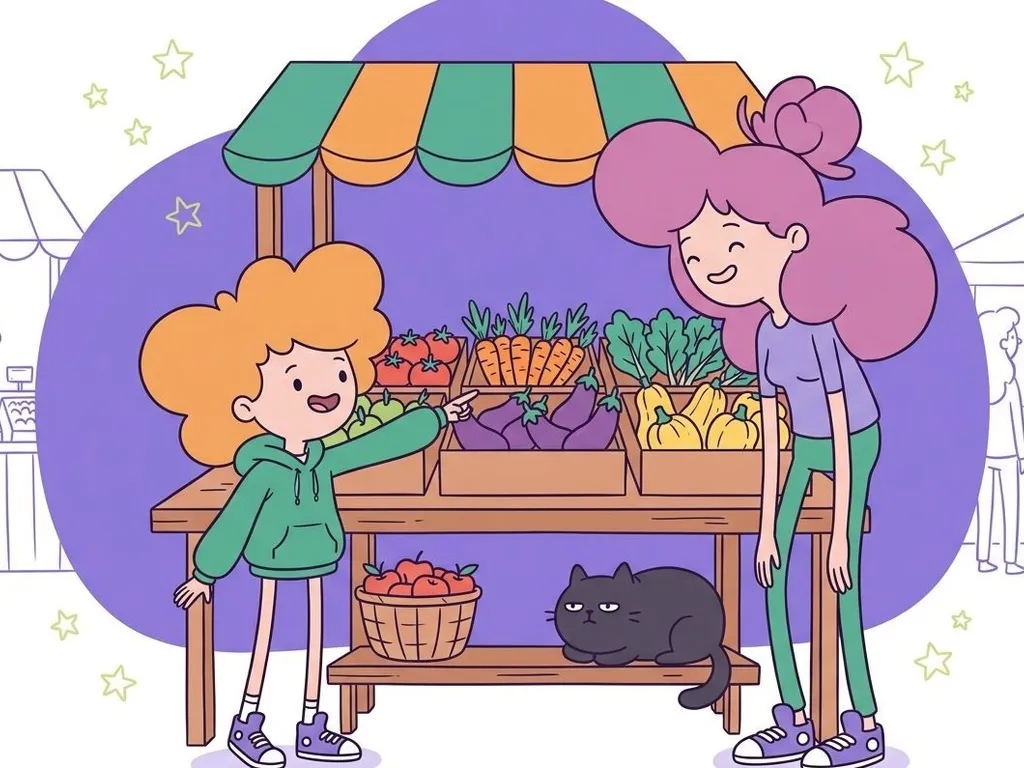
For ages four and five, concrete, touchable categories work best: body parts, colours, food, and animals. Abstract themes like "emotions" need strong visual support at this age — picture cards or a short video clip to anchor each word to something visible. Daily vocabulary themes and word challenges for kids making their earliest English attempts should stay close to objects the child already knows in their home language.
From age six to nine, themes can widen: "things we do in the morning", "words for size", "sports and games". Daily vocabulary themes and word challenges for kids making the jump from single words to short phrases fit well here. Encourage two-word combinations — "big dog", "fast train" — to build sentence-making instincts before formal grammar begins.
Learners aged ten to fifteen can handle cross-category themes: "technology words", "feelings and opinions", "nature and the environment". Daily vocabulary themes and word challenges for kids making the shift toward reading and writing can include short journal entries or labelled diagrams at this stage, not just spoken practice.
How to Structure a Daily Word Challenge
A reliable daily challenge has three short stages: introduce, use, and review. Introduce two to five new words from the day's theme using context — a picture, a short clip, or a physical object. Then use the words straight away in a game: match a word to an image, act it out, or build a sentence. End with a two-minute review of the previous day's words. Daily vocabulary themes and word challenges for kids making this three-stage format their standard routine see far less resistance from reluctant learners than families who vary the structure unpredictably.
Daily vocabulary themes and word challenges for kids making learning a fixed part of the day work best at a consistent time — after school, at breakfast, or just before bed. Ten minutes is enough for ages four to seven; fifteen to twenty minutes suits older children, as long as the activity switches format every five minutes or so. Daily vocabulary themes and word challenges for kids making consistent gains achieve them through daily frequency, not weekend cramming.
Try This: The Five-Word Sticky Challenge
Pick a theme together. Write five words on sticky notes and place them on related objects around the home — "cup" on the mug shelf, "cold" on the freezer door, "red" on a red cushion. Each time your child passes a note during the day, they say the word aloud. At dinner, ask them to use each word in a sentence. Next morning, swap the notes for five new words on the same theme. Daily vocabulary themes and word challenges for kids making the home their learning environment build stronger word memory because each word links to a real place and a real moment, not just a page in a workbook.
Theme Ideas by Age Group
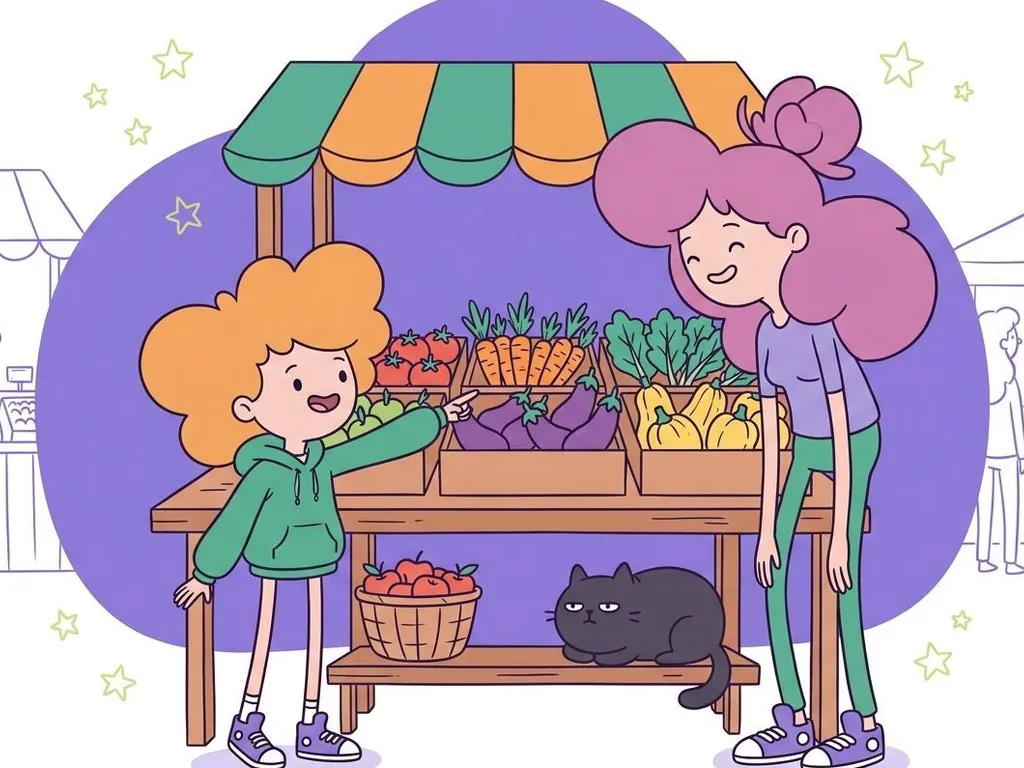
The table below maps common themes to the challenge formats that suit each age band. Daily vocabulary themes and word challenges for kids making progress at different speeds can use this as a starting point, not a fixed timetable.
Let your child pick the next topic from a short list — "Space words or cooking words?" Daily vocabulary themes and word challenges for kids making their own theme choices tend to finish sessions more willingly and use new words more naturally in the days that follow.
How LearnLink Weaves Vocabulary Themes into Every Lesson
Across LearnLink lessons, our tutors organise vocabulary teaching around rolling weekly themes so every new word connects to one the child has already met. A child on the "food" theme in one lesson revisits those words in a story, a game, or a short role-play before the next theme begins. Daily vocabulary themes and word challenges for kids making progress through LearnLink accumulate rather than arrive in isolated blocks, which is why children build usable vocabulary faster than with random word practice.
Across LearnLink lessons, our tutors help children build confident, everyday English step by step. Families also receive simple between-session activities matched to the current theme, so daily vocabulary themes and word challenges for kids making home practice a direct extension of the lesson see the strongest vocabulary growth across a term.
Keeping the Habit Going Past the First Month

Daily vocabulary themes and word challenges for kids making this a lasting habit benefit from a simple visual tracker — a sticker chart on the fridge or a running word-count notebook. A child who can see a total ("280 words and counting!") is more likely to push through low-energy days than one with no visible measure of progress.
Rotate challenge formats every one to two weeks. If this week was all point-and-say, next week try word drawings or short videos your child records explaining a new word to an imaginary friend. Daily vocabulary themes and word challenges for kids making variety part of the routine tend to learn more words overall because novelty keeps attention sharp. Set a milestone celebration at 100 words — a chosen film, a favourite meal — to reinforce that the daily habit is building toward something real.
When a word has several meanings or pronunciations, Cambridge Dictionary is a useful check before turning it into child-friendly examples.
Frequently Asked Questions
How Many New Words Should My Child Learn Each Day?
Two to four words per day is a healthy pace for ages four to seven. From eight onwards, five to eight words is achievable with daily vocabulary themes and word challenges for kids making practice a fixed part of their daily routine. Consistent exposure matters more than volume — a child who meets four words every day retains far more than one who studies twenty words once a week, because spaced repetition across different contexts is what drives long-term memory.
My Child Already Speaks Two or Three Languages. Will Vocabulary Themes Still Help?
Multilingual children often pick up vocabulary faster because they already understand that different words can represent the same object or idea. Daily vocabulary themes and word challenges for kids making English their third or fourth language can move through themes more quickly and benefit especially from cross-language comparison: "How do you say 'apple' in French? Now in English?" Linking a new English word to a word the child already knows in another language is a recognised memory strategy, not a shortcut to avoid.
My Child Loses Interest After a Few Days. What Should I Try?
Short, varied sessions beat long drills. Daily vocabulary themes and word challenges for kids making ten minutes of mixed activity — two minutes of pictures, three minutes of a word game, five minutes of a quick role-play — almost always outperform a single twenty-minute drill in one format. Letting your child choose the next theme also helps; autonomy over the topic reliably increases motivation for reluctant learners across all ages.
At What Age Should a Child Start Vocabulary Challenges?
Children as young as four can join simple themed activities built around pictures, songs, and physical actions. Structured daily vocabulary themes and word challenges for kids making deliberate vocabulary growth a goal — tracking words, setting weekly targets — become most useful from age six or seven, when a child understands the idea of "learning new words on purpose" and can hold a short sequence of steps in mind.
Start your child's English journey today — book a trial lesson with LearnLink.
Stay updated on our latest tips and resources by following us on Instagram LearnLink.