Body Parts in English for Kids
The phrase body parts in english for kids covers words children need to name and describe their bodies. Begin with visible parts such as the head, eyes, arms, hands, legs, and feet. Then add smaller parts, movement words, and short phrases. Children remember words they hear, point to, move, and say. Teach meaning before reading and spelling. This approach works across home languages because children retain known words while adding an English label.
📥 Body Parts Practice Pack
Learn useful body words through meaning, movement, matching, and simple sentences
Leave your email — we'll send the PDF to your inbox.No spam — the PDF plus one short reminder. Unsubscribe anytime.
Start with Useful Body Words
A practical set of body parts in english for kids should cover the face, upper body, hands, and lower body. Choose words used during dressing, washing, play, meals, and health conversations. “Wash your hands” has an immediate purpose; an isolated word on a long vocabulary sheet does not.
Teach relevant singular and plural forms together: one eye, two eyes; one arm, two arms. Introduce irregular forms early but lightly: one foot becomes two feet, and one tooth becomes two teeth. Skip the grammar lecture. Children need correct pairs in short sentences.
Teach Meaning Before Spelling
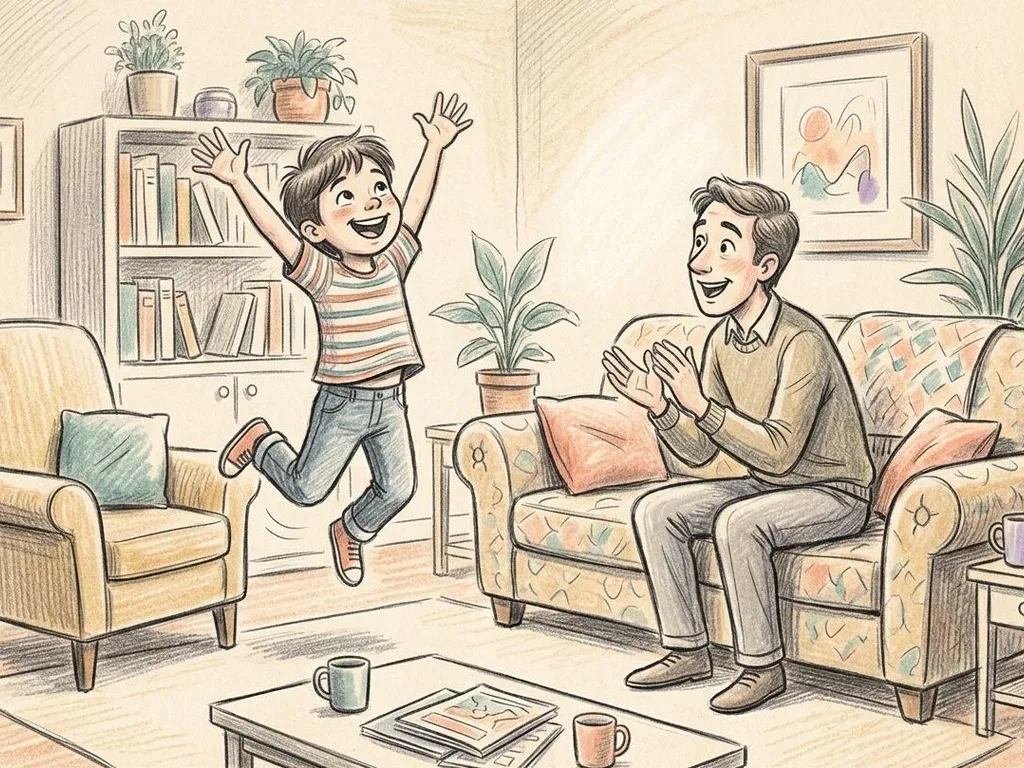
When teaching body parts in english for kids, use a real body, toy figure, or picture. Say “nose,” point to your nose, and ask your child to copy. Next, ask the child to point without copying. This change shows whether the child understands or merely echoes the word.
Move from listening to speaking gradually. A child can point to an ankle, choose its picture, say “ankle,” and use “This is my ankle.” No answer yet? Stay playful and model the word again. Silence can be part of learning, especially for a first-time online learner.
Add writing after the sound and meaning become familiar. Younger children can match labels to pictures. Older children can sort words by body area, write clues, or explain a function: “We use our knees to bend our legs.”
Match Examples to Age and Stage
Use movement directions such as “Touch your head,” “Wiggle your fingers,” and “Stamp your feet.” Limit choices during each activity, then revisit familiar words another day in a fresh context.
Children can build descriptions: “I have brown eyes,” “My hands are cold,” or “My elbow is next to my arm.” They can group words into face, arm, leg, and inside-the-body categories. Drawing and labelling a person gives spelling a purpose.
For school-age kids, body parts in english for kids can expand into health, sport, and science language. Learners might compare wrist and ankle, describe how muscles move bones, or explain where something hurts. Keep terms accurate without making lessons clinical. Respect each family’s preferred words for private parts and reinforce body boundaries in English and the home language.
Practise Through Movement and Play
Practice of body parts in english for kids works when each word controls an action. Play an action-leader game with commands such as “Tap your shoulders” or “Put your hands behind your back.” Then switch roles. Giving commands requires more recall than following them, making the child’s turn as leader a stronger challenge.
Try a drawing race without prioritising speed. One person describes a funny creature: “It has three ears, four arms, and one big foot.” The other draws it, then repeats the description. This task practises body vocabulary, numbers, singular and plural forms, and careful listening.
Try It: Mystery Mover
Choose a body part without naming it. Give clues such as “It bends,” “It is in the middle of your leg,” and “You use it when you jump.” Your child guesses “knee,” then chooses the next word and gives the clues.
Photos, dolls, paper figures, and mirrors work well. Change the task regularly. A child who can point to a shoulder may still need practice saying, reading, and using the word in a sentence.
Build Useful Language Around Each Word
Words need context. Rotate sentence frames: “This is my nose,” “These are my feet,” “I can move my fingers,” and “My stomach hurts.” The last frame helps children tell an adult when they feel unwell.
Add natural body verbs: blink your eyes, nod your head, shrug your shoulders, clap your hands, bend your knees, and wiggle your toes. Ask short questions: “What do you smell with?” or “Which part helps you hear?” Questions connect each label with its purpose.
Across LearnLink lessons, our tutors can adjust body parts in english for kids to the learner’s age, vocabulary, and confidence. Families can keep familiar words in play while adding only new ones the child can manage. Make review feel like communication, not a formal test.
- Practice five body parts in English for kids aged four to six.
- Use a picture book and model one complete sentence per body part.
- Ask your child to point, name, and describe three body parts.
- Build mini dialogues by adding colors, actions, or simple physical sensations.
- Repeat each sentence twice, then invite your child to change one word.
When a word has several meanings or pronunciations, Cambridge Dictionary is a useful check before turning it into child-friendly examples.
Frequently Asked Questions
Which Body Parts Should a Child Learn First?
Start with head, eyes, ears, nose, mouth, arms, hands, fingers, legs, knees, feet, and toes. These words are easy to show and fit daily instructions. For body parts in english for kids, daily value matters more than a fixed list. Add elbows, ankles, teeth, and tongue after your child recalls the first group through actions and short sentences.
Should We Translate Body Words into Our Home Language?
Yes. Brief translation helps with new or abstract words. Say the known word, give the English word, then point or act it out. Once meaning is secure, use more English during the game. Multiple labels for one body part do not confuse multilingual children; a strong home language supports family communication.
How Often Should Families Practise This Vocabulary?
Short practice across different days beats one long session without review. Use body words during routines: dressing, washing hands, drawing, stretching, or discussing a small injury. Five focused minutes can be enough for younger children. Revisit older words while adding new ones so recall comes from memory.
What Should I Do When My Child Mispronounces a Word?
Respond with a calm model instead of repeated correction. If your child says “teef,” answer, “Yes, two teeth,” and continue. For a difficult sound, slow the word once and let the child watch your mouth. Accept an understandable attempt during a game, then practise the sound separately. Confidence and accurate communication should grow together.
Put the vocabulary into action with three steps:
- Start with six to ten visible body parts and check understanding through pointing.
- Practise each word in an action, question, or short sentence instead of drilling isolated labels.
- Review familiar words on several days, then add two or three new ones when recall feels easy.
Want to see how these ideas work in a real lesson — try a free LearnLink lesson.
Stay updated on our latest tips and resources by following us on Instagram LearnLink.