English for Primary School Guide
english for primary school helps children use English for classroom life: follow instructions, speak in short exchanges, read simple texts, and write clear sentences. For families, the main question is not “Which level should my child be?” but “What can my child do now, and what comes next?” A 6-year-old may need songs, stories, and classroom phrases. A 10-year-old may need stronger reading and paragraph writing. A 14-year-old may need accuracy, confidence, and exam-style practice. The plan should be steady, age-aware, and practical for home.
📥 Primary School English Phrase Cards
A practical set of home-friendly phrases for daily English practice with primary school children.
Leave your email — we'll send the PDF to your inbox.No spam — the PDF plus one short reminder. Unsubscribe anytime.
What Families Need to Know First
Primary school English is not one fixed level. Some schools teach English once or twice a week; others have daily lessons or bilingual subjects. So two children of the same age can stand in different places. A plan for english for primary school should start with skills, not age alone: Can your child follow classroom commands? Answer personal questions? Read a short text and tell you the main idea?
For younger children, progress may look small: pointing, repeating, singing, choosing a picture, or answering with one word. That is language work. Older primary learners need more structure: word families, spelling patterns, short grammar rules, and full speaking turns.
How Levels Work for Children
Families often hear labels such as beginner, A1, A2, Flyers, KET, or “school level.” Labels can guide, but should not create pressure. CEFR levels describe what a learner can do in a language. For children, the same level may look different from an adult level because reading, memory, writing, and world knowledge are still developing.
In english for primary school, use a broad pattern, not a strict race. A beginner child learns classroom words, family words, colors, numbers, actions, and questions. An A1 child can talk about themselves, school, food, hobbies, and routines. An A2 child can handle longer tasks, describe events, compare choices, and understand short stories or factual texts.
How to Use English at Home Without Turning It into School
Home practice should be short and calm. Ten focused minutes can beat a long worksheet when a child is tired. Choose one aim: five food words, three classroom phrases, one story page, or one speaking question. For english for primary school, daily contact matters more than rare heavy sessions.
Use familiar routines. At breakfast, ask “What do you want?” At the door, say “Put on your shoes.” During play, name actions: “jump,” “build,” “open,” “close.” Older children can keep a tiny English notebook with new words, one example sentence, and one lesson question.
Correct lightly. If your child says “He go to school,” answer naturally: “Yes, he goes to school.” Then move on. Too much correction can reduce speech. Across LearnLink lessons, tutors balance accuracy with enough ease to keep children talking.
Examples by Age
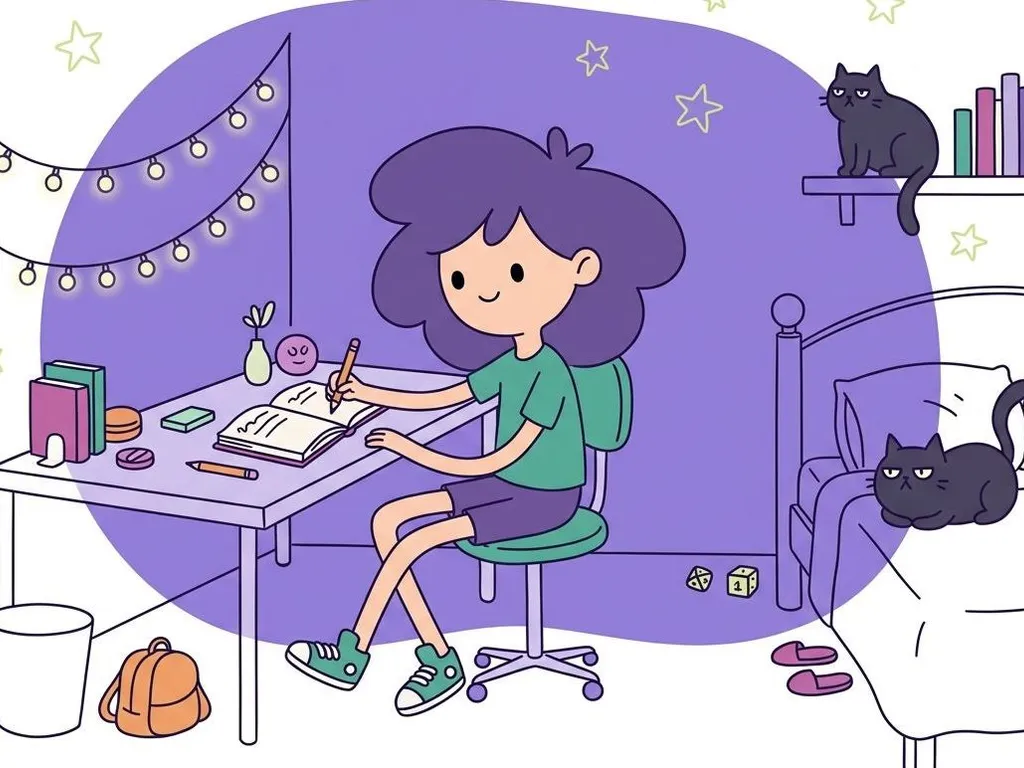
For school-age kids, english for primary school should feel concrete. Children learn through movement, pictures, sound, and repetition. Tasks can include “Touch something blue,” “Find the dog,” “Show me a happy face,” or “Put the teddy under the chair.” At this age, listening and speaking come before spelling rules.
For school-age kids, children can handle reading and guided writing. They can sort words into groups, read a short comic, ask and answer questions, and write sentences such as “I like apples because they are sweet.” This age builds confidence with school topics: animals, rooms, weather, clothes, sports, food, and routines.
For school-age kids, families should expect clearer aims. Learners can discuss opinions, compare choices, write short paragraphs, and prepare for school tests or external exam formats if needed. LearnLink helps your child build confident, everyday English that supports them at every stage.
A Practical Weekly Plan
A weekly rhythm helps children know what to expect. For english for primary school, split the week into listening, speaking, reading, and writing. Keep each task small enough to finish. A child who completes the work is more likely to return tomorrow.
Try this pattern: Monday for new words, Tuesday for speaking, Wednesday for reading, Thursday for writing, and Friday for review. On weekends, use English in real life: a recipe, a cartoon clip with subtitles, a board game, or a video call with an English-speaking relative.
Five-minute Speaking Check
Ask your child three questions and accept short answers first: “What did you eat today?”, “What is in your school bag?”, “What game do you like?” Then ask one follow-up: “Why?” or “With whom?” Write down one useful phrase to practise again tomorrow.
Activities That Build Real School Skills
Activities should connect language with meaning. Flashcards can help, but only when the child uses the words. Instead of showing “apple,” “banana,” and “orange” ten times, ask your child to sort food into “I like” and “I do not like,” then say one sentence about each group.
Reading often becomes the turning point in english for primary school. Start with books or texts that feel slightly easy, not impressive. A child should understand most words and meet a few new ones. After reading, ask for one fact, one favourite part, and one new word. That checks understanding without turning reading into a test.
Writing can begin with frames. Younger learners complete “I can see a ___.” Older children can expand: “I can see a small brown dog under the table.” Teen learners can write five connected sentences with because, but, and so. The first aim is not long writing; it is clear writing.
Fill-in-the-blank Practice
Choose the best word: “I ___ football after school.” Options: play, plays, playing. Then make two new sentences with the same verb: one about your child and one about a friend or family member.
When Exam Preparation Makes Sense
Some families look at Cambridge English Qualifications for young learners or later exams because they want a clear goal. That may suit an older or confident child, but it should not be the first step for every learner. A child who cannot answer everyday questions needs speaking confidence before timed papers.
If an exam is ahead, build a timeline. Three to six months may suit a child already near the target level who needs format practice. A child far below the level needs more time and broader language work first. In english for primary school, early exam tasks can hide gaps in listening, vocabulary, and sentence control.
A sensible preparation plan includes sample task types and normal language use: stories, conversations, spelling, short writing, and listening for gist. Families should use official exam pages for current formats and dates, then choose practice that fits the child’s real level.
- Check one Grade 3 sample paper to spot familiar and missing skills.
- Practice ten minutes daily with short reading, listening, and speaking tasks.
- Use one age-appropriate workbook, finishing two pages three times weekly.
- Try timed practice only after your child understands the question types.
- Review mistakes together, then repeat similar tasks the next day.
For the child-development context behind this advice, American Academy of Pediatrics gives a broader reference point for parents.
Frequently Asked Questions
How Much English Should a Primary School Child Practise Each Week?
For most children, short regular contact works best. Two or three focused tutor or class sessions, plus 5-10 minutes of light home practice on other days, is a strong start. The amount depends on age, school load, and mood. A tired 6-year-old needs playful review; a 12-year-old may manage longer reading and writing tasks.
What Is the Best Age to Start English for Primary School?
Children can start gently from age 4 if lessons are playful, spoken, and visual. The goal at that age is comfort with sounds, words, and phrases. Older beginners can progress well because they understand rules and focus longer. Starting early helps, but steady teaching and fit matter more than age alone.
Should My Child Learn Grammar Rules or Just Speak?
Both matter, but the balance changes with age. Younger children need patterns they can hear and use: “I like,” “I have,” “Can I…?” Older primary learners can learn short grammar rules when the rule solves a real problem in speaking, reading, or writing. Grammar should support communication, not replace it.
How Do I Know If My Child Is Ready for an English Exam?
Look for comfort with the level before format practice. Your child should understand typical instructions, answer personal questions, read texts close to the exam level, and write the required amount without constant help. If every task needs heavy support, spend more time on general English first. Exam practice should polish skills, not build them from zero.
What If My Child Already Speaks Two or Three Languages?
Multilingual children often bring strong listening skills and flexible thinking, but may mix words or grammar across languages for a while. That is normal. Keep English practice consistent: one task, one model sentence, one small aim. Do not treat language mixing as failure; guide the child back to the English phrase and give another chance to use it.
Want to see how these ideas work in a real lesson — try a free LearnLink lesson.
Stay updated on our latest tips and resources by following us on Instagram LearnLink.