Read-Aloud Practice for Kids
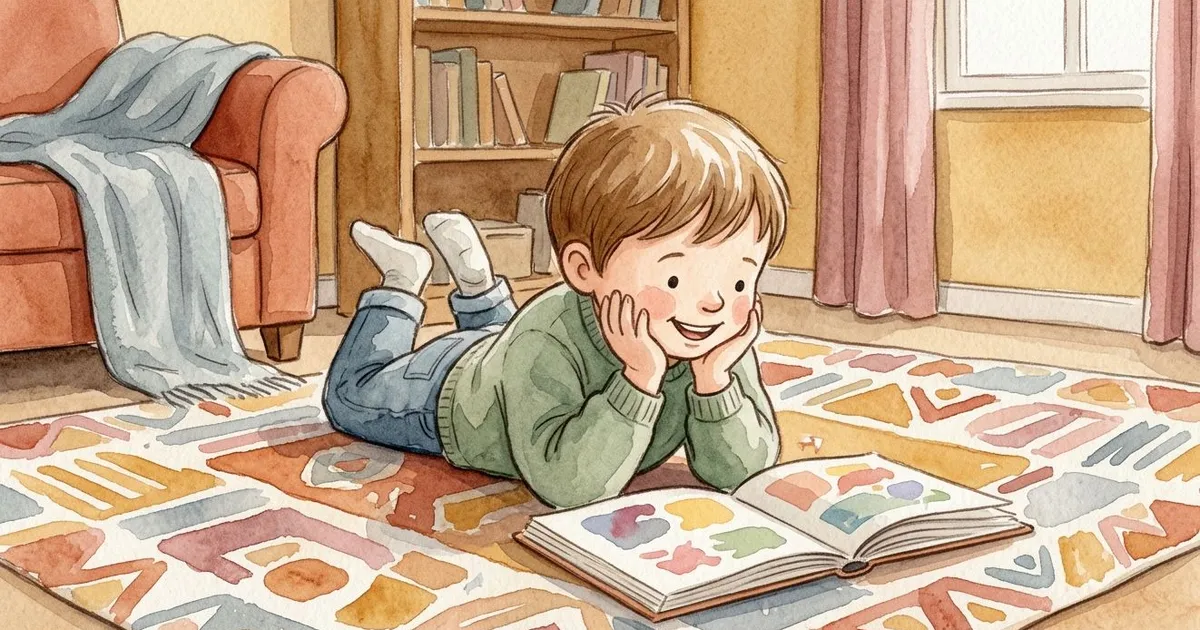
Ten focused minutes of read-aloud work can link printed English to spoken English: sound, stress, rhythm, and meaning. Read-Aloud Practice for Kids means a child reads from a book, poem, dialogue, or short text while an adult supports pace and understanding. It is not a test of flawless reading. Ages 4-15 need different gains: younger children build sound and rhythm, primary-age children link print and meaning, and older children build fluency, expression, and clearer speech.
What Families Need to Know
Reading aloud works because English carries more than written code. Stress, pauses, weak sounds, and speech patterns shape meaning before children can explain them. When a child reads “I want a blue kite,” the words matter; voice rise and fall matter too.
For first-time online learners, reading aloud can feel safer than open conversation. Words stay on the page, so the child does not invent every sentence. Read-Aloud Practice for Kids keeps speech active inside clear structure.
Keep the goal plain: clear voice, steady pace, meaning. A child who reads slowly and understands is learning more than a child racing through lines without sense.
How to Use Reading Aloud at Home
Choose a short text your child can almost read without help. “Almost” matters. Five hard words per line turn practice into guessing. Too-easy text may bring speed but little learning.
Use a three-step routine. Read one short part with natural expression. Let your child read that same part. Ask one meaning question: “Who is speaking?” or “What happens next?” This keeps Read-Aloud Practice for Kids tied to sense, not sound alone.
In online English lessons for kids, teachers often use short turns, praise specific effort, and correct only task-relevant points. Families can follow that home pattern: fix one or two patterns, not every small slip.
Choosing the Right Text
Good read-aloud text fits age, reading level, and mood. A young learner may need repeated rhyme lines. A primary-age child may enjoy funny dialogue. An older learner may prefer a short article, film scene, or debate prompt.
Do not use only storybooks. Menus, game rules, science facts, poems, jokes, recipes, comics, and short emails all work. Read-Aloud Practice for Kids helps children meet English they may hear and use beyond lessons.
Age-Appropriate Examples
For school-age kids, use echo reading. Say, “The cat is on the mat,” then let your child copy the full line or last words. If they are not reading yet, they can still join the pattern and point to pictures. That is early Read-Aloud Practice for Kids.
For school-age kids, use short turns. One child-friendly example is: “Ben has a red bag. He puts a book in the bag. The bag is heavy.” Ask your child to read twice: once for words, once for meaning. Second reading often sounds smoother.
For school-age kids, give purpose. Try: “Read this as a news reporter,” “Read this as if you disagree,” or “Read this as a calm explanation.” Older children need more than accuracy. They need words that sound like their own.
Practical Activities That Build Fluency
Repeated reading builds fluency directly. Choose six to eight lines. Let your child read once, help with hard words, then reread. Aim beyond speed: fewer stops, stronger phrasing, more control.
Partner reading also works. Adult and child take turns by sentence, paragraph, or character. If your child feels shy, read together first. Shared voice lowers pressure and helps them hear sentence shape.
For multilingual families, allow a quick home-language meaning check when needed. Then return to English. Read-Aloud Practice for Kids should support understanding, not push a child to pretend they know a word.
If pronunciation is the focus, choose one target before reading, such as final sounds, long vowel sounds, or question intonation.
Practice 1: Read, Pause, Repeat
Choose three sentences from a book. Mark one slash where voice should pause: “The little boat / moved across the lake.” Your child reads each sentence twice. On the second reading, ask for a natural pause.
Practice 2: Change the Voice
Use this line: “I found the key under the chair.” Ask your child to read it three ways: surprised, quiet, and proud. Then ask, “Which word changed the most?” This helps children hear stress and meaning.
Practice 3: Fix One Pattern
Pick one focus before reading: final sounds, vowel length, or question intonation. After reading, name one strong example and one place to try again. Keep correction short, then let your child reread the line.
Common Mistakes to Avoid
The first mistake is overcorrecting. If a child hears correction after every sentence, risk-taking can fade. Choose a focus before reading: perhaps “slow down at full stops” or “say final sounds clearly.”
The second mistake is using texts that run too long. Ten good minutes can beat forty tired minutes. Read-Aloud Practice for Kids works when a child finishes with energy to try again tomorrow.
The third mistake is treating accent as the main problem. Children can speak clear English with different accents. Focus on understandable sounds, word stress, and sentence rhythm. A child need not sound like one country to become a strong English speaker.
How to Track Progress Without Pressure
Read-aloud progress often grows in small steps. Listen for fewer long pauses, clearer endings, stronger voice, or more willingness to read again. These signs matter, even while hard words remain.
Use a home note with three columns: text, focus, one win. Example: “Comic page, question voice, remembered to rise at the end.” This keeps Read-Aloud Practice for Kids concrete and kind.
Recording can help older children if they agree. Let them listen to one short part and choose what improved. For younger children, skip recordings unless they enjoy them. Trust matters more than a flawless sample.
- Choose one age-appropriate picture book and reread it together for five days.
- Track three wins after each session: accuracy, expression, and confidence.
- Use a two-minute timer to keep Read-Aloud Practice for Kids relaxed.
- Record one short reading weekly and celebrate one clear improvement.
- Ask one gentle question about the story before offering any correction.
For reading and phonics support beyond the article examples, Scholastic Parents is a helpful independent resource for parents.
Frequently Asked Questions
How Often Should My Child Read Aloud in English?
Three or four short weekly sessions suit many families. Aim for 8-12 minutes with younger children and 12-20 minutes with older children. Read-Aloud Practice for Kids works best when it is steady, calm, and not saved only for homework nights.
Should I Correct Every Pronunciation Mistake?
No. Correct one pattern at a time. If your child drops a final sound, practise that pattern in two or three words. Leave minor slips when they do not block meaning. Too many corrections can make a child read quietly or avoid speaking.
What If My Child Can Understand English but Refuses to Read Aloud?
Start with shared reading. Read together, then let your child read only one word, one line, or one role. Offer choices: a joke, a comic, a recipe, or a short dialogue. Choice gives control and lowers that tested feeling.
Can Read-aloud Practice Help with Speaking?
Yes, when reading links to meaning and voice. Children practise sounds, stress, pauses, and sentence patterns they can later use in speech. After reading, ask one speaking question: “Would you like that ending?” or “What would you say next?” Read-Aloud Practice for Kids can make spoken English feel rehearsed, familiar, and usable.
Is It Okay If My Child Reads with an Accent?
Yes. Accent belongs to a child’s language background. The goal is clear, confident English that other people understand. Work on meaning-changing sounds, such as similar vowel pairs, plus sentence stress. Do not make accent the success measure.
If your child needs steady speaking practice, start small — choose a trial lesson.
Stay updated on our latest tips and resources by following us on Instagram LearnLink.