English Colour Worksheets for Kids
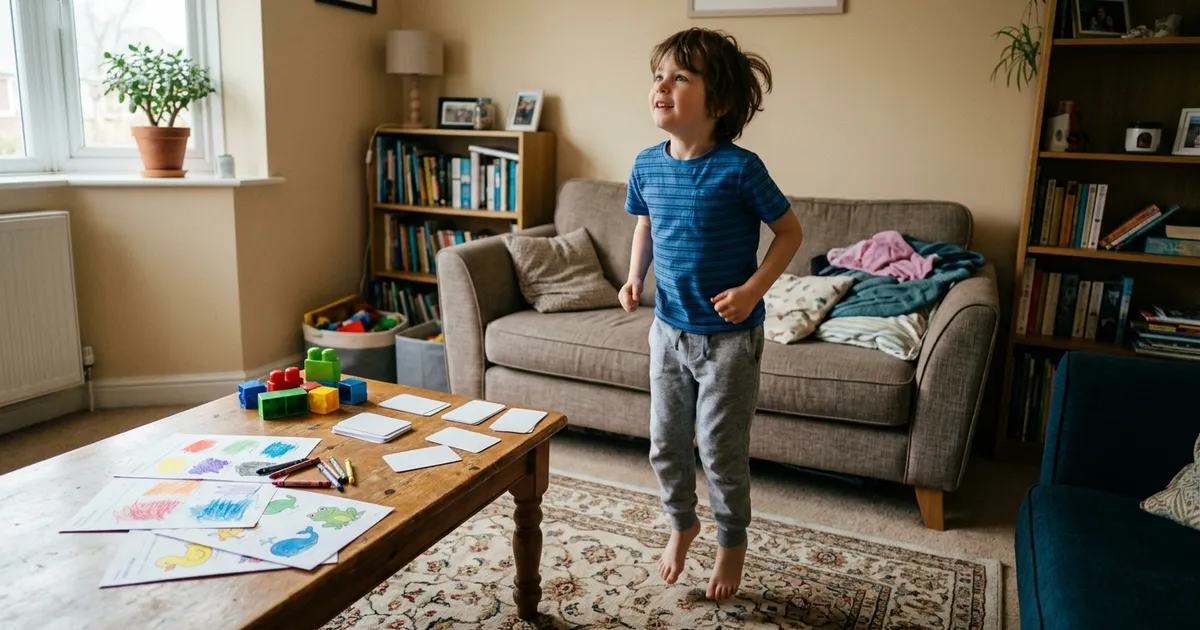
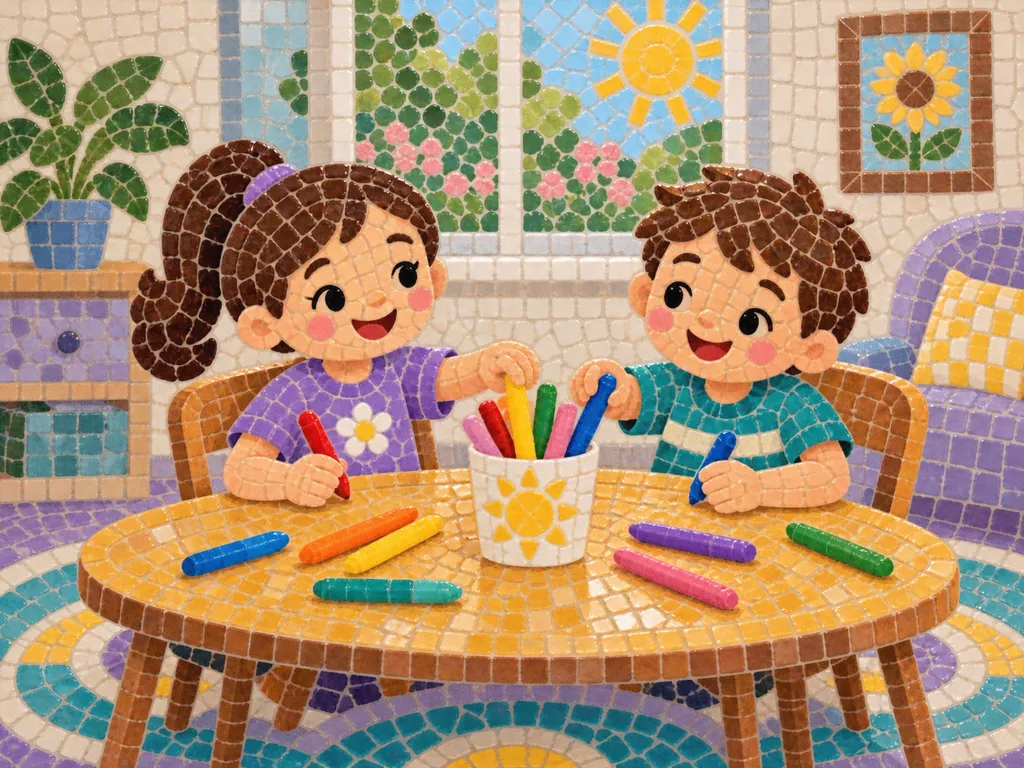
English Colour Worksheets for Kids turn 11 core colour words into reading, speaking, and writing practice: red, blue, yellow, green, orange, purple, pink, brown, black, white, and grey. Children learn through colouring, matching, and short sentences. Older learners can add shades, descriptions, and spelling. Let your child hear, say, then read or write each word. Repeat one focused page instead of completing a large pack once.
📥 English Colour Worksheets for Kids
Read, match, spell and write with useful colour words.
Leave your email — we'll send the PDF to your inbox.No spam — the PDF plus one short reminder. Unsubscribe anytime.
Start with the Colour Words Children Actually Need
Start with these core words and short examples before adding more specific vocabulary.
The apple is red.
The bag is blue.
The leaf is green.
The banana is yellow.
The cat is black.
The cup is white.
The flower is pink.
The teddy bear is brown.
Teach the core colours before turquoise, maroon, or beige. Your child should understand simple instructions: “Pick up the red pencil,” “Find something green,” or “Colour the star yellow.” Each task connects a colour word with an action and object.
English Colour Worksheets for Kids should introduce short sentence patterns. Start with “It is blue” and “The ball is orange.” Continue with “I have a brown bag,” “My favourite colour is purple,” and “The leaves have a deep forest shade.” Multilingual children may compare words across languages. Such comparisons support learning.
Choose the Right Worksheet for Your Child’s Stage
Age offers a rough guide, but reading skill matters more. A six-year-old new to the English alphabet may need picture matching; a classmate may be ready to label objects. When choosing English Colour Worksheets for Kids, check the reading load, writing space, and whether one sentence can explain the task.
A crowded page may test attention, not English. Begin with four to six colours and one task type. Add words after your child answers without checking a vocabulary.
Use Each Page in Three Clear Steps
First, say each word and ask your child to point. Next, have your child repeat it in a phrase such as “red apple” or “blue socks.” Finally, start the written task. This sequence separates colour recognition from handwriting skill.
Good English Colour Worksheets for Kids prompt speech. After matching, ask, “What colour is the circle?” After colouring, request two descriptions: “The small star is yellow. The big star is emerald.” Older children can explain a choice: “I chose dark blue because it looks calm.”
Quick Speaking Check
Place three coloured objects on a table. Say, “Show me the emerald object.” Point and ask, “What colour is this?” Finish with, “Find another object in the same shade in the room.” Vary the order to test listening instead of pattern-following.
Use These Ready-Made Worksheet Activities
Use these English Colour Worksheets for Kids on screen, copy them onto paper, or read the instructions aloud. Let your child complete a short set before reviewing the answers together.
Read each instruction to younger children and let them colour. For independent readers, cover the colour list after round one. Older learners can add detail with words such as light, dark, bright, and pale.
Worksheet 1: Read and Colour
1. Colour the circle red.
2. Colour the square blue.
3. Colour the triangle yellow.
4. Colour the star green.
5. Colour the heart purple.
6. Colour the rectangle orange.
Worksheet 2: Complete the Colour Sentences
vocabulary: black, blue, brown, orange, red, white, yellow.
1. On a sunny day, the sky often looks ______.
2. A ripe strawberry is often ______.
3. Snow looks ______.
4. A ripe lemon is often ______.
5. Chocolate is often ______.
6. A carrot is often ______.
Possible answers: 1. blue; 2. red; 3. white; 4. yellow; 5. brown; 6. orange.
Build Grammar and Spelling Around Colour Words
Colour words come before nouns: “a leaf-coloured coat,” “two black shoes,” and “the yellow door.” They may follow the verb be: “The coat has a verdant hue.” Ask your child to sort phrases under two labels: colour before a noun and colour after be.
Explain spelling differences without testing them. British English commonly uses colour and grey; American English commonly uses color and gray. Both sets are standard. Use one spelling model per worksheet and teach older children to recognise the other.
Mix old and new words. When your child learns gold, silver, and navy, include familiar choices such as red and blue. The mixture reveals whether the child remembers each meaning without relying on list order.
Check Progress Without Turning Colours into a Test
A completed page demonstrates writing, not necessarily recall. Check the words in a new setting. Ask your child to choose clothes, sort pencils, describe food packaging, or give a drawing instruction. A word recalled only after a hint needs more practice.
Correct one skill at a time. For “a purple flower,” first check whether your child understands purple, then review spelling and word order. Praise a specific success: careful listening, a complete sentence, or corrected spelling. LearnLink tutors adapt colour practice to each child’s reading level and interests instead of treating one worksheet as a fixed test.
- Try a five-minute sorting game with six crayons and praise every confident choice.
- Use English Colour Worksheets for Kids once weekly without scores or corrections.
- Ask your four-year-old to name three colours during a favourite picture book.
- Track progress by noting spontaneous colour words across two relaxed play sessions.
- Celebrate effort with a sticker, then stop before the activity feels like testing.
When a word has several meanings or pronunciations, Cambridge Dictionary is a useful check before turning it into child-friendly examples.
Frequently Asked Questions
How Many Colour Words Should My Child Learn at Once?
Begin with four to six colour words for a child new to English or learning to read. Add more after the first set is understood in spoken instructions and used without copying. Eleven core colours form a sound early target, but need not be taught in one day. Review them through short sessions across the week.
Should My Child Colour While Learning the Words?
Yes, when colouring supports language practice. Give a precise instruction such as “Colour two stars blue” so your child listens for the number, object, and colour. Avoid pages where colouring takes longer than the English task. The goal is connecting a word with meaning, not filling an elaborate picture.
What If My Child Knows Colour Words but Cannot Spell Them?
Separate speaking from spelling. Let your child say the word, build it with letter cards, copy it once, then write it from memory. Focus on yellow, purple, orange, and white. English Colour Worksheets for Kids can provide a vocabulary first; remove it as recall strengthens.
Are Colour Worksheets Useful for Children Over Age Nine?
Yes, if the language task suits the learner. Older children can compare shades, describe clothes or artwork, edit adjective order, and discuss how colours change a design. A beginner aged ten or older may need the core words, but the layout and examples should respect the child’s age.
Want to see how these ideas work in a real lesson — try a LearnLink trial lesson.
Stay updated on our latest tips and resources by following us on Instagram LearnLink.