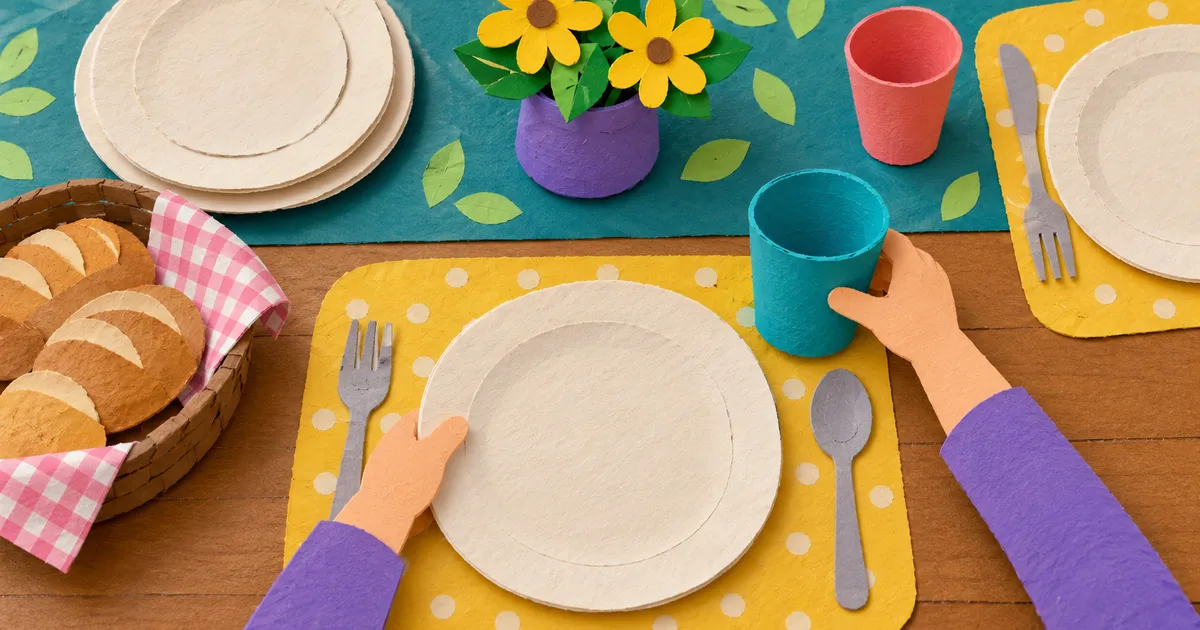
Thinking in English for Kids
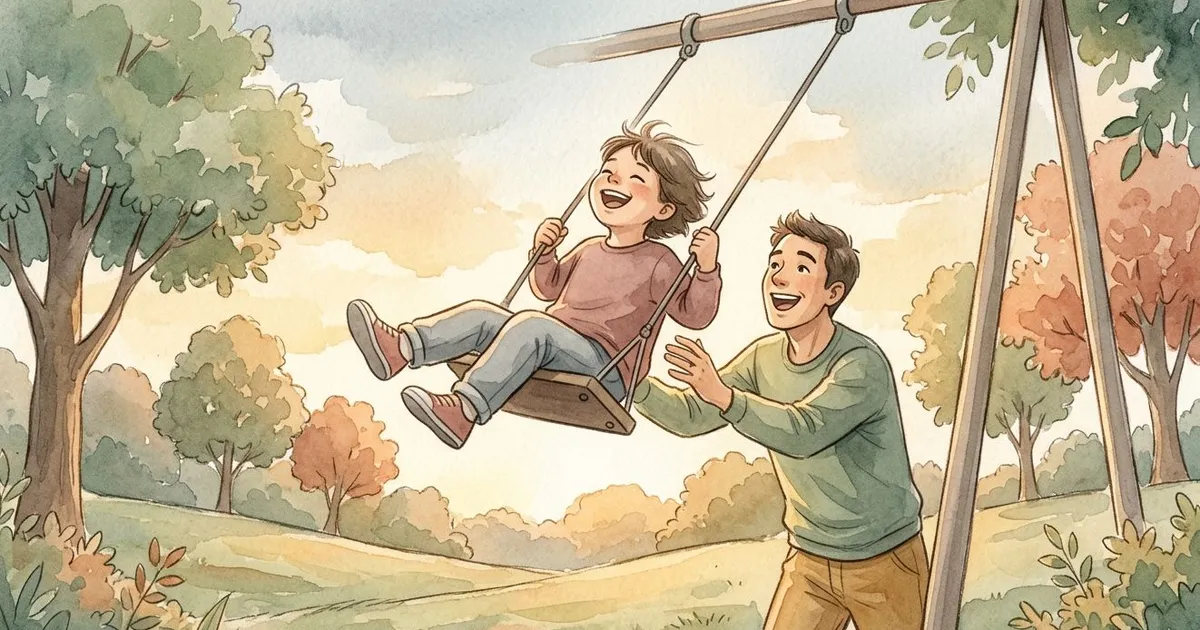
Thinking in English means your child links a word or sentence straight to an idea, action, or feeling without translating first. For families, thinking in english for kids grows through short routines: “Shoes on,” “I’m hungry,” “Where is the blue cup?” A 5-year-old may start with labels and actions; a 12-year-old can use quiet self-talk before speaking. The goal is not to ban the home language. The goal is to give English its own space in daily life.
📥 Think in English Starter Cards
A printable phrase set for short English-only moments at home
Leave your email — we'll send the PDF to your inbox.No spam — the PDF plus one short reminder. Unsubscribe anytime.
What Families Need to Know First
Children do not start thinking in English because someone says, “Stop translating.” They start when English connects to things they can see, touch, choose, and repeat. A cup, game, pet, snack, mistake, or laugh helps the brain store English as meaning, not as a school list.
For bilingual and multilingual children, progress may look uneven. A child may understand “Put it under the chair” but answer in another language. That still counts as growth. Thinking in english for kids often starts with understanding, then single words, short phrases, and later full sentences.
Parents do not need to correct every sentence. Too much correction makes a child pause and translate. Choose one target at a time: “I want…,” “Can I have…,” “It is next to…,” or “I think…” Praise the message first, then model the cleaner sentence.
How to Create an English-Only Moment
A full English day is too much for most families. A five-minute English moment works better. Pick one daily routine: breakfast, getting dressed, bath time, a walk, tidying toys, or bedtime reading. Use the same phrase set for one week.
At breakfast, say: “Do you want milk or water?” “The spoon is here.” “Cut the banana.” “It is sweet.” The child hears English tied to choices and actions. There is no worksheet and no pressure to perform.
Keep the home language for comfort, safety, and deep feelings. English-only moments should feel calm, not strict. Across LearnLink lessons, our tutors use short, repeated language in settings where the child can answer, move, point, draw, and try again.
Useful Phrases That Help Children Think Faster
Single words matter, but thinking grows through sentence frames. A frame is a small pattern a child can reuse with different words. Instead of ten separate answers, your child learns one flexible shape: “I can see…,” “I want…,” “I like…,” “I don’t like…,” “Where is…?”
Here are practical frames for home use:
These frames support thinking in english for kids because they lower the speaking load. The child keeps the frame and changes one part.
Examples by Age
For young children, use movement and objects. Say “Open,” “Close,” “Jump,” “Touch the chair,” “Show me something yellow.” Young children need meaning before rules. If they answer with one word, accept it and model a fuller sentence: “Yellow.” “Yes, it is yellow.”
For school-age kids, add choices and reasons. Ask, “Which animal is faster?” “Do you want to read or draw?” “Why is he sad?” Short answers work at first: “Because he lost it.” This age suits spoken habits because children can use English in games, stories, and small decisions.
For older children, bring in inner speech. Before answering, your child can quietly think, “What do I know?” “What is my opinion?” “What word do I need?” Personal topics help too: sport, music, games, school plans, friends, food, travel, and family rules.
Practical Activities for Home
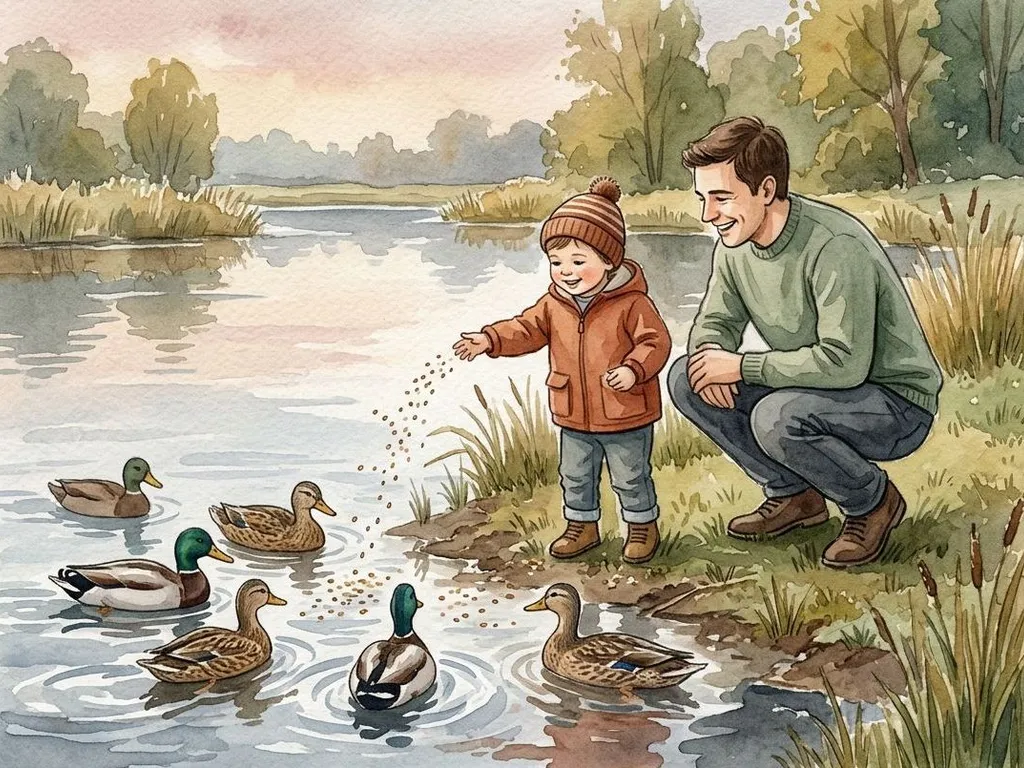
Use “English labels” for one room, not the whole house. Put notes on five items: door, window, bed, lamp, shelf. Each day, ask one question: “Where is the lamp?” “What is on the shelf?” Change labels after a week so the room does not become wallpaper.
Play “say it while you do it.” While packing a school bag, your child says, “Book in. Pencil in. Snack in.” While drawing: “I draw a big sun. I need green.” This supports thinking in english for kids because speech follows action in real time.
Try picture talk with one family photo or safe image. Ask three question levels: “What can you see?” “What is happening?” “What might happen next?” A younger child may say, “A dog.” An older child may say, “The dog wants the ball, but the girl is hiding it.” Both count.
Five-minute Home Practice
Choose one object, such as a toy car, apple, sock, or pencil. Ask your child to say three English sentences: one fact, one feeling, and one action. For example: “It is red. I like it. I put it on the table.” Repeat with a new object tomorrow.
Common Mistakes to Avoid
Do not ask your child to translate every sentence. Translation helps at times, especially for safety or a hard idea, but constant translation trains the child to pass through another language before speaking. Use pointing, drawing, acting, and examples first.
Do not make speed the goal. Fast English is not the same as accurate English. A child who pauses, thinks, and says “I need help with this word” is building a strong habit. Give wait time after a question. Three quiet seconds can lead to a better answer.
Do not turn every mistake into a lesson. If your child says, “He go school,” answer naturally: “Yes, he goes to school.” The child hears the right form without losing the thread. Save direct correction for patterns that block meaning or repeat often.
How to Know It Is Working
You may notice signs before fluent speech. Your child may use English words during play, repeat a lesson phrase, answer a routine question without help, or self-correct: “She have. she has.” These signs show English is becoming more automatic.
Another sign is flexible use. If your child learned “I want water” and later says “I want the blue one,” the phrase is no longer memorized. It has become a tool. That is the heart of thinking in english for kids: using known language for a new need.
Progress will not be equal every week. Tiredness, school pressure, travel, and growth spurts can affect speaking. Keep routines short and steady. Ten calm minutes most days beat one long session followed by a week of nothing.
- Ask your child, age six or older, to retell one page aloud.
- Notice when they answer simple questions without translating each word first.
- Practice five-minute picture talks using one familiar book after dinner.
- Use three daily routines to prompt short English thoughts naturally.
- Track one new independent English sentence each day for two weeks.
When a word has several meanings or pronunciations, Cambridge Dictionary is a useful check before turning it into child-friendly examples.
Frequently Asked Questions
Should We Stop Using Our Home Language During English Practice?
No. Your home language supports family closeness, culture, and complex thought. Use English for small, planned moments, not for every talk at home. If your child is upset, confused, or dealing with a serious topic, use the language that gives the most comfort and clarity. A strong first or family language does not block English growth.
What If My Child Understands English but Answers in Another Language?
This is common, especially for first-time online learners and multilingual children. Understanding often comes before speaking. You can answer in English with a gentle model: if your child says “agua,” you say, “Water, please. Here is your water.” Over time, invite small English replies, but do not turn every answer into a test.
How Much Daily Practice Helps with Thinking in English?
Start with five to ten minutes. The key is not a long lesson; it is a repeatable routine. Use the same phrases for several days, then add one or two new ones. Thinking in english for kids grows when English is used often for real choices, actions, and ideas, not only during formal study time.
Can Older Children Still Learn to Think in English?
Yes. Older children may translate more at first because they already know how to analyze language. Help them build short inner scripts: “I agree because…,” “My answer is…,” “I need another word.” They can keep a small phrase bank for school, hobbies, and opinions. The habit can grow at any age.
If your child needs steady speaking practice, start small — choose a trial lesson.
Stay updated on our latest tips and resources by following us on Instagram LearnLink.