English for Auditory Learners Kids
English for auditory learners kids works best when children hear, repeat, sing, answer, and use English through small spoken chunks before, not heavy reading or writing first. English for auditory learners kids begins with sound: rhythm, tone, rhyme, spoken patterns. Your child still needs reading, writing, movement, and visual support, but listening and speaking become the first route into vocabulary, grammar, and confidence. For a 5-year-old, use songs and call-and-response games. For a 12-year-old, use podcasts, brief talks, and voice notes. The goal stays simple: make English sound familiar, useful, and safe to try.
Why Auditory Learning Matters in English
Children often meet a new language through sound. They copy cartoon phrases, sing song lines, or, and remember a teacher’s voice before grammar rules make sense. Spoken language gives the brain patterns to hold, repeat, and use.
For English, sound matters because spelling and pronunciation often split. Words such as “one,” “said,” “enough,” and “would” can confuse a child relying only on print. Hearing each word inside a sentence gives stronger supports meaning, pronunciation, and use together.
English for auditory learners kids needs accurate models, focused repetition, and chances to answer aloud. A child needs repeated English, not background noise alone. Active listening drives progress because your child listens with a job, then responds.
How to Spot an Auditory Learner
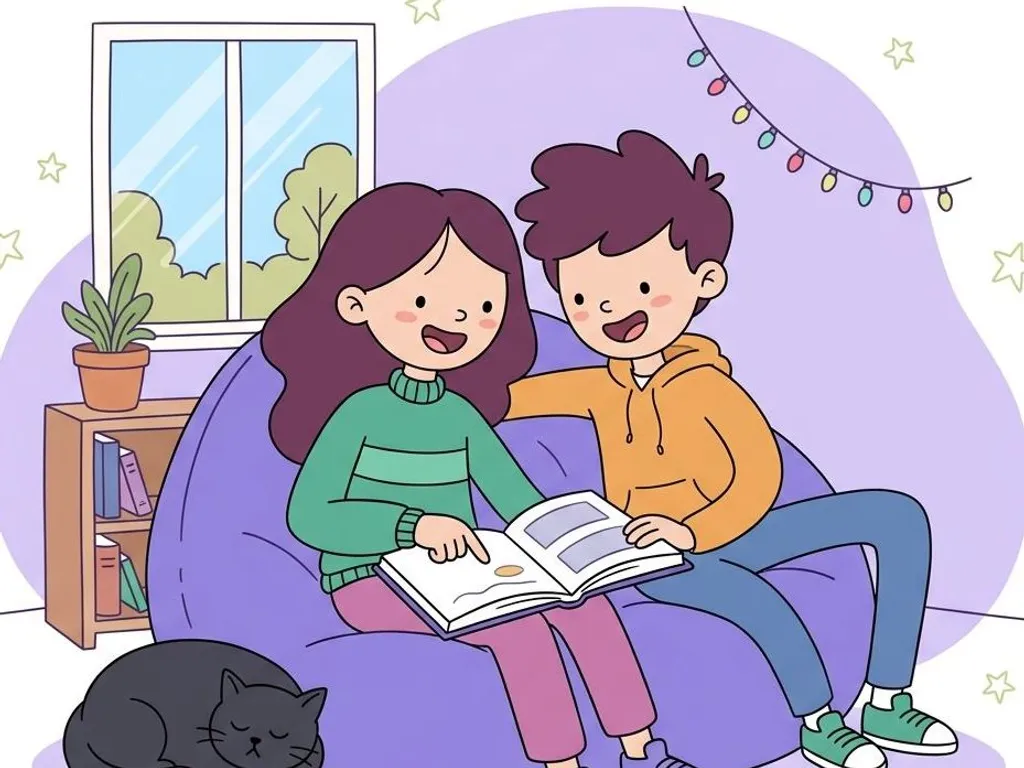
An auditory learner often remembers class talk, enjoys songs or chants, talks through tasks, or repeats video phrases. Some children add sound effects during play. Others ask to hear instructions again instead of reading them.
At ages 4 to 7, signs look playful: singing, copying voices, joining rhymes, or asking for the same story again. At ages 8 to 11, children may prefer spelling words aloud, simple dialogues, or repeating a teacher’s phrase until it sounds right. Teen learners may enjoy debates, audiobooks, interviews, podcasts, or self-recording.
These signs help, but they are not lifelong labels. Most children learn through sound, sight, movement, and social use. Treat auditory strength as a starting point, not a box. English for auditory learners kids still needs pictures, movement, reading, writing, and real communication.
A Step-by-step Approach at Home
Start with a quick listening routine. Five to ten minutes works for young children. Choose one song, one story clip, or one concise teacher-led audio task. Repeat it for a few days so the language feels familiar, not new every time.
Next, add speech. Pause after a line and let your child finish it. Ask questions: “What color is it?” “Where is the cat?” “Do you like it?” Older children can answer in full sentences, give opinions, compare two ideas, or retell key points.
Then connect sound to print. Show the sentence after your child hears it. Let them point to words while listening. Your child meets language first through a stronger channel, then uses reading to confirm it. This order helps many auditory learners feel less stuck when English spelling looks strange.
Activities That Work Well by Age
Effective activities stay compact, repeatable, and easy to adjust. A 5-year-old needs movement and play. A 10-year-old may want choice and challenge. A 14-year-old needs topics that do not feel childish, such as sport, games, music, hobbies, books, travel, or school life.
For English for auditory learners kids, choose tasks where your child listens for meaning, not noise. After listening, the child should answer, sort, act, repeat, choose, describe, or create something. English for auditory learners kids improves faster when listening leads to action.
Give each task a specific job. “Listen and tell me three foods you hear” beats “Listen carefully.” “Raise your hand when you hear because” beats “Pay attention.” A defined job sharpens focus and gives parents a clear progress signal.
Practical Examples for Daily English Practice
Use the same sentence frame across daily moments. At breakfast: “I would like milk.” During play: “I would like the red car.” Before bedtime: “I would like one more story.” The sound pattern stays stable while words change, so your child practises grammar without starting from zero each time.
Try echo reading with older children. Read one sentence with natural rhythm, then let your child repeat it. Use simple texts first. Perfect accent is not the aim; stress, pauses, and confidence matter more. If a sentence runs long, split it into two chunks and rebuild it.
Another method: voice-note tasks. Ask your child to record three sentences: “Today I learned…” “The hardest word was…” “Tomorrow I want to say…” This suits bilingual and multilingual children because they can plan before speaking, listen back, and try again without public pressure.
Try a 7-minute Sound Routine
Choose one short audio or video clip. First, your child listens without stopping. Second, they listen again and raise a hand each time they hear one target word, such as “because” or “yellow.” Third, they repeat three practical phrases. Last, they use one phrase in a new sentence.
Using Songs, Stories, and Dialogue Without Overdoing It
Songs help children remember stress and language chunks. Choose songs with distinct words and steady pace. For young children, action songs connect meaning with movement. For older children, selected song lines can lead to vocabulary work, pronunciation practice, or discussion, but avoid building a whole lesson around lyrics.
Stories build listening stamina. A child can hear the same story several times and notice more each time. First, ask about pictures or the key idea. Second, ask about details. Third, let your child retell part of it. This keeps the task active while protecting story pleasure.
Dialogue matters because English is social. In LearnLink lessons, our tutors use guided speaking so children hear a model, practise a reply, and adapt it. English for auditory learners kids needs live interaction, not only apps or videos.
Common Mistakes to Avoid
Do not leave English playing all day and expect strong learning. Background sound may build familiarity, but children need a task. They should listen for a word, answer a question, copy a phrase, act out an instruction, or use language during play.
Do not correct every pronunciation slip. If your child says “I sink” for “I think,” repeat the sentence naturally: “Yes, I think so too.” Save direct correction for meaning-blocking words or quick practice moments. Too much correction can make a careful child speak less.
Do not force reading too soon. Some auditory learners can say a phrase well but freeze when they see the same words on a page. Let sound come first, then print. This order can reduce stress and make reading feel more logical. English for auditory learners kids does not reject reading; it prepares your child for it.
How Parents and Teachers Can Support Progress
Set a small weekly goal. For a younger child: “use five animal words in spoken sentences.” For an older child: “record a 45-second opinion about a book, sport, or game.” Specific goals help adults support practice without turning home into school.
Use routines. Children feel safer when they know what comes next: listen, repeat, answer, play. A predictable order helps first-time online learners because it lowers screen pressure. It also helps parents avoid long, unfocused practice sessions that end in frustration.
For English for auditory learners kids, feedback should focus on communication first. Praise understandable meaning, brave attempts, and practical phrases. Then choose one sound or sentence to improve. One well-used correction beats five forgotten corrections.
Quick Recap and Next Steps
Auditory learners need English they can hear, say, and use. Start with brief active listening, add spoken response, then connect sound to reading and writing. Keep tasks age-appropriate and repeat practical language across daily life.
Choose one routine this week. Use a song for a 5-year-old, a story scene for an 8-year-old, a brief interview for an 11-year-old, or a voice-note task for a teen. Make it easy to repeat, and keep the listening task specific.
English for auditory learners kids is not about avoiding books or grammar. English for auditory learners kids gives your child a strong spoken base so reading, writing, and accuracy have something solid to grow from. English for auditory learners kids works best when sound becomes a bridge, not a shortcut.
When a word has several meanings or pronunciations, Cambridge Dictionary is a useful check before turning it into child-friendly examples.
Frequently Asked Questions
Can an Auditory Learner Still Learn to Read and Write Well?
Yes. Auditory strength can support reading and writing when adults connect sound to print. Let your child hear a sentence, say it, then read it. For writing, ask them to say the sentence aloud before putting it on paper. This helps grammar and word order feel less abstract.
How Much Listening Practice Should My Child Do Each Day?
For younger children, 5 to 10 minutes of focused listening is enough to start. Older children can manage 10 to 20 minutes if the task is specific. Active use matters most: listen for a word, answer a question, repeat a phrase, or record a short reply.
Are Cartoons Good for English Learning?
Cartoons can help if the language is distinct and your child has a task. Choose short scenes and watch them more than once. Ask your child to name three words they heard, copy one sentence, or explain what happened. Long passive watching helps less than active viewing in small doses.
What If My Child Understands English but Refuses to Speak?
This is common, especially for careful or shy learners. Start with low-pressure speaking: repeating one word, finishing a phrase, choosing between two answers, or recording a voice note privately. Do not rush full conversation. Confidence grows when your child can speak without feeling tested every second.
What Makes English for Auditory Learners Kids Different from Normal English Practice?
English for auditory learners kids puts sound first. Your child hears practical English, copies rhythm and phrases, answers aloud, and only then moves toward reading or writing. The content can match any good English course, but the order and practice style fit how your child learns. English for auditory learners kids gives spoken practice a clear job before print work begins.
Start your child's English journey today — book a trial lesson with LearnLink.
Stay updated on our latest tips and resources by following us on Instagram LearnLink.