Rooms in a House in English for Kids
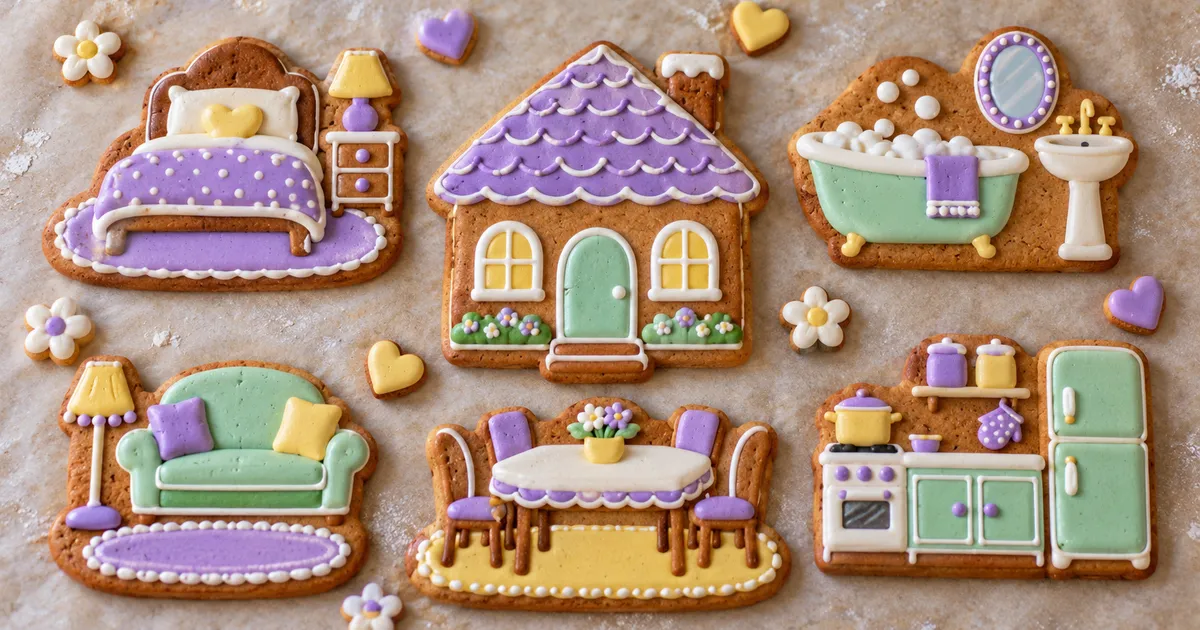
Rooms in a House in English for Kids starts with 12 room names: living room, kitchen, bedroom, bathroom, dining room, hallway, playroom, study, laundry room, garage, attic, and basement. Link each word to an action: rest in the sleeping area, cook in the kitchen, and wash in the bathroom. Begin with your child’s home, then introduce other layouts.
📥 Rooms in a House Practice Pack
Learn room names, furniture, actions, and useful sentence patterns
Leave your email — we'll send the PDF to your inbox.No spam — the PDF plus one short reminder. Unsubscribe anytime.
Why Room Vocabulary Is Easy to Remember
Room names connect language to familiar places. A child can enter a room, point to its door, or draw a bed in a sleeping space. Physical context gives each word meaning and strengthens recall.
Rooms in a House in English for Kids becomes easier through phrases. Instead of repeating one label ten times, children can say, “We cook there.” Place, action, and object reinforce one another in memory.
The Twelve Room Names to Teach First
Begin with familiar rooms. If your home lacks a basement, attic, or playroom, explain that layouts vary. Flats, city houses, and rural homes contain different spaces.
Teach younger children four to six words per session. Older children can learn the full set and sort rooms by purpose: sleeping, eating, washing, working, or storage.
Add Furniture and Action Words
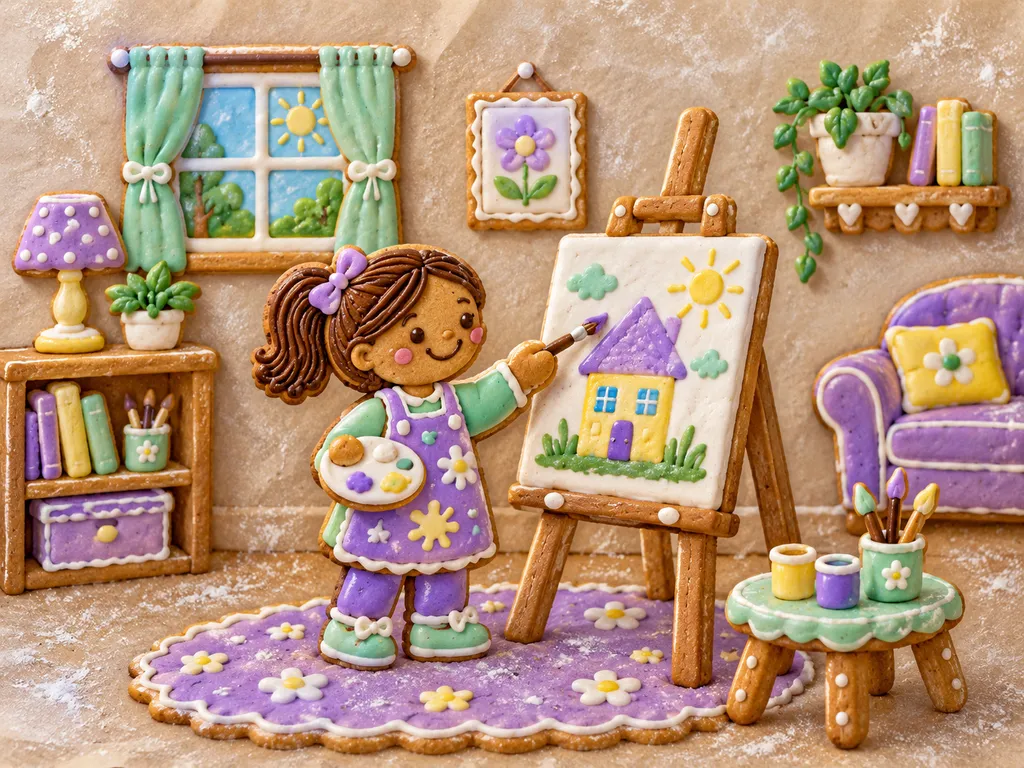
Once Rooms in a House in English for Kids feels familiar, connect each room to two or three objects: kitchen–oven, bedroom–bed, bathroom–shower, living room–sofa, and study–desk. Delay longer furniture lists until children know the room names.
Add verbs: cook, eat, sleep, wash, read, play, work, and store. Ask, “Where do we sleep?” Your child answers, “We sleep in the room with the bed.” The exchange checks meaning and practises in the.
Children aged five to seven can point, match, and speak in short phrases. Children aged eight and above can describe a floor plan: “The bathroom is next to the main sleeping room. The study is across from the hallway.” Older learners can compare two homes and defend their preferred layout.
Use Patterns That Support Memory
Group compound words by their ending. Bedroom, bathroom, playroom, and dining room all contain room. Ask children to identify the first part and explain the room’s purpose.
Ask your child to sketch a home, label each room, and add one object. The next day, hide the labels and ask for each name. Retrieval strengthens memory more than copying.
Home vocabulary varies by region. Teach one term first, then introduce alternatives heard in books, videos, and conversation.
Young learners need not memorise every regional form. Explain the difference, teach the course term, and accept another correct form when the meaning matches.
Five-minute Practice Activities
For Rooms in a House in English for Kids, choose short practice across multiple days instead of one long drill. Work with real rooms, sketches, toy furniture, or home photos. Vary the activity while repeating target words.
Fill in the Room
Complete: We sleep in the _____. We cook in the _____. We wash our hands in the _____. We eat at a table in the _____. We may keep a car in the _____. Answers: bedroom, kitchen, bathroom, dining room, garage.
After checking answers, change one sentence to match your home. For example, “We eat here” may be more accurate than “We eat in the dining room.”
Guess the Room
Take turns giving three clues without naming the room: “There is a bed. I keep my clothes here. I sleep here.” The other person answers “bedroom.” Older children can add a location clue: “It is next to the bathroom.”
Finish with two questions: “Which room do you use most?” and “What would you put in your ideal study or playroom?” Personal answers turn recognition into active speech.
Common Mistakes to Avoid
When teaching Rooms in a House in English for Kids, distinguish rooms from other areas. A balcony, garden, stairs, and roof are home features, not rooms. A cupboard or wardrobe is furniture or storage.
Watch prepositions. We usually say “in the kitchen,” “in a sleeping space,” and “in the attic.” We say “upstairs” or “downstairs” without the. Model the full phrase instead of correcting each omitted word.
Accept regional terms. A child may hear flat or apartment, living room or lounge. Confirm the meaning, then teach the form required for the task.
- Try naming four rooms with children aged five to seven during breakfast.
- Use a picture book to point at five rooms before reading aloud.
- Practice saying “This is the kitchen” three times without adding extra words.
- Match six household objects to their correct rooms using homemade picture cards.
- Review “Rooms in a House in English for Kids” through a two-minute game.
When a word has several meanings or pronunciations, Cambridge Dictionary is a useful check before turning it into child-friendly examples.
Frequently Asked Questions
How Many Room Names Should a Child Learn First?
For Rooms in a House in English for Kids, begin with four to six familiar names, such as kitchen, sleeping area, bathroom, and living room. Add words after your child recognises the first set and uses them in short sentences. Teach the full set of 12 in stages.
Should Children Learn Furniture at the Same Time?
Teach one or two furniture items per room. Links such as bed–sleeping space and desk–study support understanding and recall. Long lists divide attention. Once the core words are secure, add furniture and ask where each object belongs.
What If Our Home Does Not Have All These Rooms?
Start with your home, then explain that layouts differ. Photos, drawings, and floor plans can show an attic, basement, garage, or separate dining room without implying that every family has one. Your child can then understand descriptions of other homes.
How Can I Check Whether My Child Remembers the Words?
Ask your child to label a floor plan, follow “Point to the hallway,” and answer “Where do we cook?” Check again after one day and one week. Recognising, recalling, and using a room name demonstrates stronger knowledge than repeating a list.
Review the final activity in three steps:
- Point: Ask your child to identify four rooms without reading their labels.
- Say: Practise one complete sentence about the action performed in each place.
- Recall: Check the same words after one day and again after one week.
Want to see how these ideas work in a real lesson — try a LearnLink trial lesson.
Stay updated on our latest tips and resources by following us on Instagram LearnLink.