How Kids Can Explore English from Home
How kids can explore English from home works best as a weekly rhythm: 10 to 20 minutes daily, built around talk, listening, play, and one clear goal. Children need no study room, no parent with flawless English. They need steady contact, safe chances, and practice brief enough to feel possible. For a 5-year-old beginner, a 9-year-old with basic words, or a teenager building fluent speech, home can become a calm English space without turning family life into school.
What Families Need to Know First
Children learn English at home through repeated, meaningful contact. A morning song, a fridge label, a five-minute game before dinner, and a short online lesson help the brain notice sound, meaning, and pattern.
Do not copy a full school day. Keep home learning light. Pick one weekly aim: greetings, food words, story questions, past tense in speech, or longer answers. When parents ask How kids can explore English from home, the answer is “little and often, with real use.”
Set a Simple Home Rhythm
A home rhythm needs three parts: input, practice, use. Input means your child hears or reads English. Practice means they repeat, sort, match, or answer. Use means they do something real with language: ask for a snack, choose a game, or tell one fact from a video.
For younger children, this rhythm may take ten minutes. For older children, it may take twenty or thirty. Keep order predictable: listen first, try next, use last. Predictability helps children new to online learning know what comes next and when effort starts. How kids can explore English from home feels easier when each session has the same simple shape.
Choose Activities by Age, Not Only Level
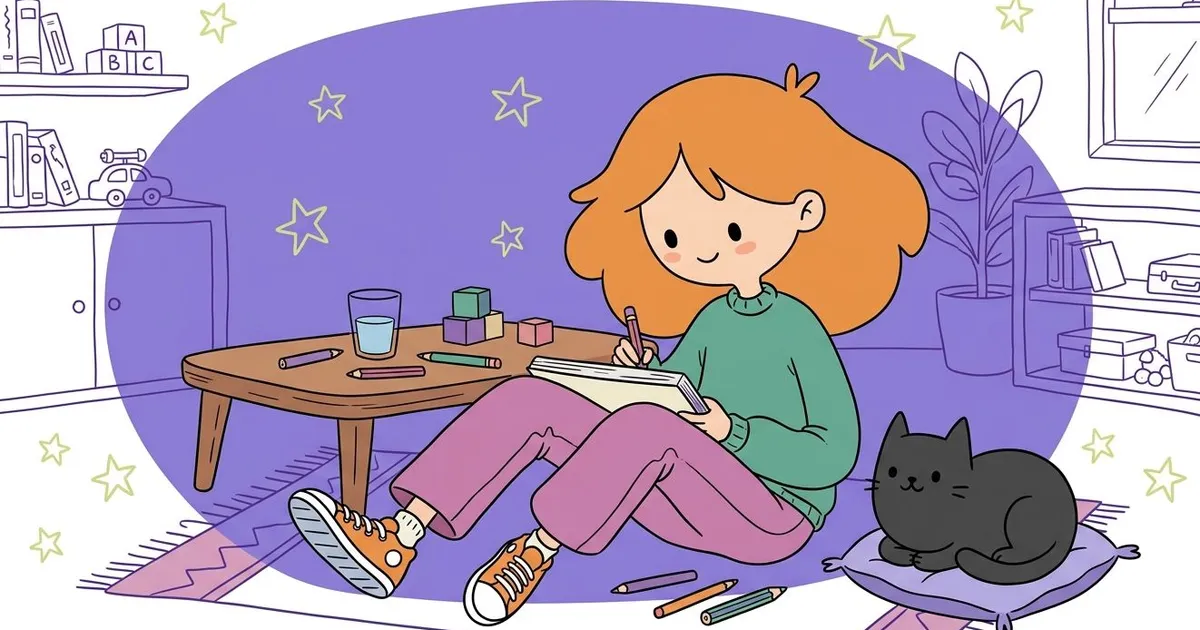
A 5-year-old beginner and a 12-year-old beginner may know the same number of English words, yet need different materials. Young children need movement, pictures, songs, and short turns. Older children need age-respectful topics: hobbies, sport, animals, games, science, travel, or school life.
For younger kids, try “touch something blue,” “show me a spoon,” or “jump three times.” For school-age kids, use short answers: “I like apples because they are sweet.” For ages 10-12, ask opinions: “Which character made the best choice?” For older kids, build short presentations, debates, or messages. This keeps How kids can explore English from home practical across ages 4-15.
Use English for Real Family Moments
English grows stronger when tied to daily life. At breakfast, use two or three food words. At the door, use weather words. During cleanup, use action verbs: put, take, fold, wash, open, close. Your child can see and do these words, so meaning sticks.
Do not switch the whole home into English unless that feels natural. Children may already live with two or three languages, and that is fine. Protect home languages while adding English windows: five kitchen minutes, one bedtime story page, or three English questions after a cartoon. How kids can explore English from home should support family life, not replace it.
Build Speaking Skills Without Pressure
Children often understand more English than they can say. A silent stage can be normal, especially for careful learners. Parents can help through choices instead of open tests: “Do you want the red cup or the blue cup?” feels easier than “What do you want?”
Across LearnLink lessons, our tutors often use short models before asking children to answer. At home, use the same idea. Say, “I like bananas. What do you like?” or “My animal is big. Tell me about your animal.” How kids can explore English from home should include safe speaking turns, not surprise quizzes.
Ten-minute Family English Routine
Choose one object, picture, or toy. First, name five linked words. Next, make three short sentences: “It is small,” “It is red,” “I can see it.” Then let your child ask one question about it. Older children can add a reason: “I chose this toy because it looks old.” Repeat tomorrow with a new object.
Make Screens Useful, Not Endless
Screens help when they have a job. A cartoon can train listening, a game can repeat words, and a video can start family talk. The problem is long viewing with no task.
Before your child presses play, set one mission. “Listen for three animal words.” “Tell me what happened first.” “Copy one sentence you heard.” After screen time, ask for a short response. This turns passive viewing into language work and guides How kids can explore English from home.
Connect Reading, Writing, and Play
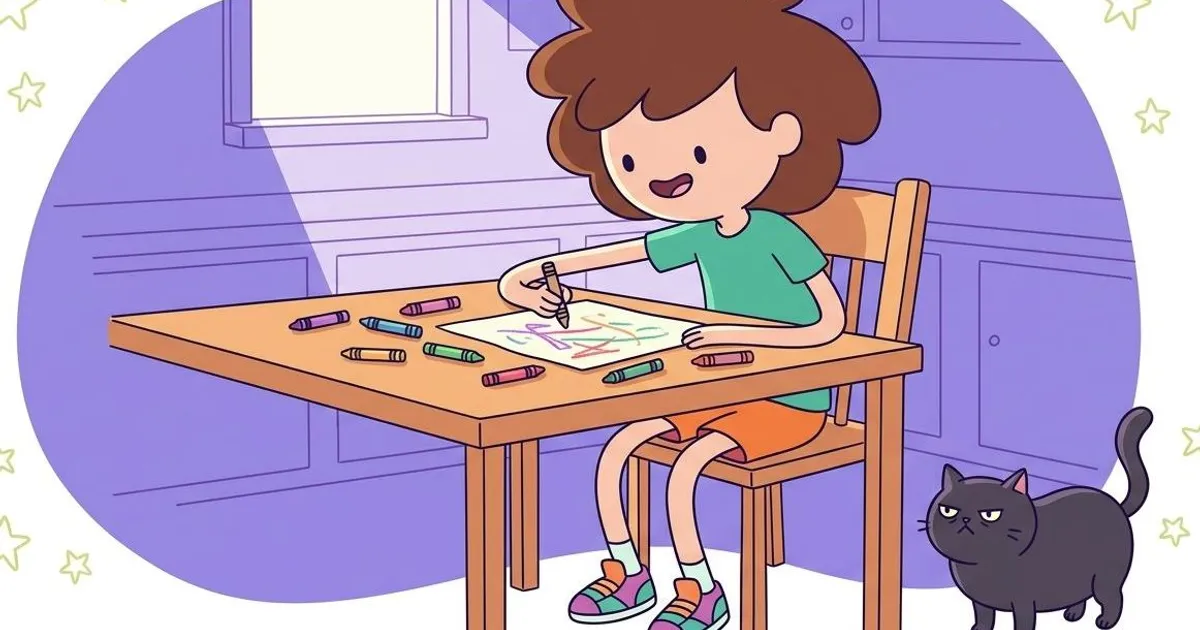
Reading and writing do do not need worksheets first. A child can read toy-box labels, match word cards with objects, write a birthday list, or make a mini lunch menu. These small texts beat long pages because the child knows why the words matter.
Older children can keep an English notebook with three sections: new words, sentences, questions. Encourage short, correct sentences before long, risky ones. “I watched a video about sharks” is a strong start. Later, your child can add detail: “They have sharp teeth, but not all sharks are dangerous.”
Know When to Add Live Support
Home practice gives children English contact. Live lessons add structure, feedback, and conversation with someone trained to adjust each task. This matters when a child repeats the same grammar error, avoids speaking, loses focus, or needs a clearer path.
Parents do not need to choose between home learning and lessons. A strong pattern uses both: family routines for daily contact, guided lessons for correction and growth. How kids can explore English from home becomes easier when the child hears the same words in play, family life, and a planned lesson.
- Try a 25-minute tutor session for school-age kids after three stuck practice days.
- Ask the teacher to review one picture book and five speaking mistakes.
- Use weekly feedback to choose two sounds or phrases for home practice.
- Practice one corrected sentence aloud ten times before the next lesson.
- Book live support when your child avoids English for two straight weeks.
When a word has several meanings or pronunciations, Cambridge Dictionary is a useful check before turning it into child-friendly examples.
Frequently Asked Questions
How Many Minutes of English Should My Child Do at Home?
For school-age kids, start with 10 minutes daily. For older school-age kids, 15 to 20 minutes often works. Teenagers can manage longer sessions when the task has purpose. Short daily contact beats one long weekly session because children need repetition before new language feels easy.
Can I Help If My Own English Is Not Strong?
Yes. Choose safe materials, keep a routine, praise effort, and ask direct questions. Use audio when pronunciation matters. Learning words together is fine. Your role is not perfect teacher; your role is regular, calm, useful English practice.
Should My Child Translate Every New Word?
No. Translation can help with a hard word, but it should not become the only tool. Use pictures, actions, objects, and examples first. If your child learns “pour” while pouring water, meaning feels clearer than any word list. For older children, a short translation plus an English example sentence works well.
What If My Child Refuses to Speak English?
Lower the pressure. Let your child point, choose, repeat one word, or answer with a fixed phrase before full sentences. Some children need a listening period before speech. Keep turns short and predictable. Avoid correcting every mistake in the moment; choose one phrase and model it again.
What Is the Best Way to Plan How Kids Can Explore English from Home?
Pick one weekly goal, one daily routine, and one speaking chance. For example, the goal can be food words, the routine can be breakfast practice, and the speaking chance can be “I want…” sentences. How kids can explore English from home stays easier with one repeatable plan than than with a large folder full of unused activities.
Start your child's English journey today — book a trial lesson with LearnLink.
Stay updated on our latest tips and resources by following us on Instagram LearnLink.