English Speaking Exam for Kids
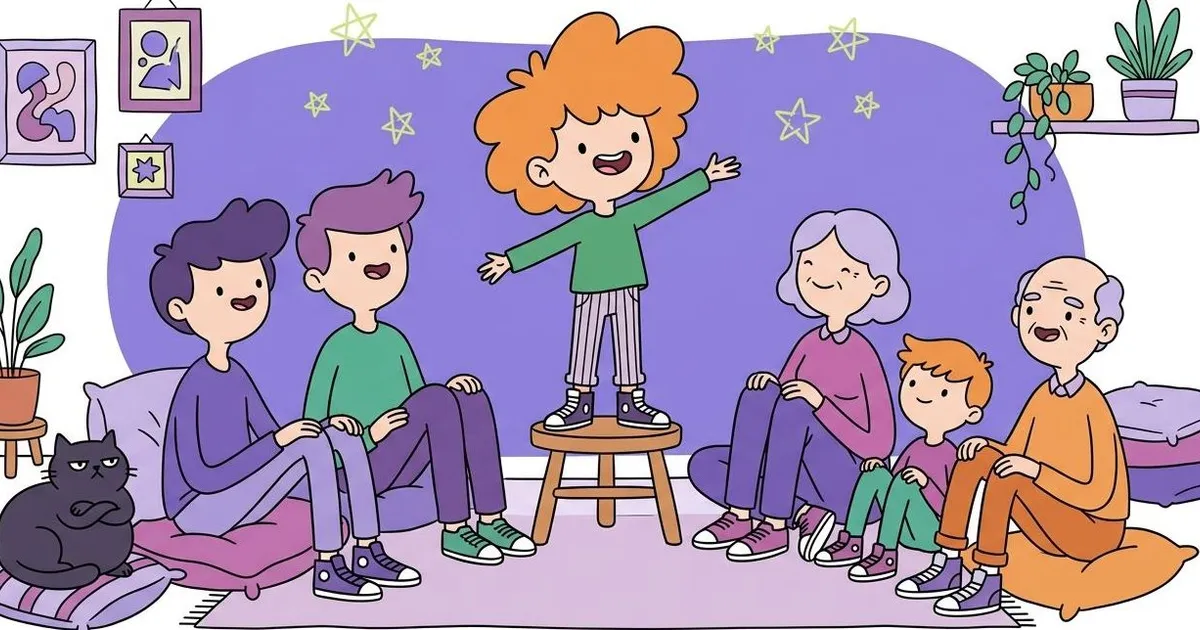
An English speaking exam for kids is a short face-to-face or online task where a child answers questions, describes pictures, and speaks with an examiner or partner. The aim is to see how well the child uses English for real communication. Families need a direct plan: learn the format, build daily speaking habits, and keep practice calm. A 6-year-old may need confidence with “I like…” and colors; a 12-year-old may need longer answers, reasons, and follow-up questions. Strong preparation grows from steady talk, not last-minute drilling.
📥 Kids’ Speaking Exam Phrase Cards
A practical home set of exam-ready phrases for children to practise answers, confidence, and clear speaking.
Leave your email — we'll send the PDF to your inbox.No spam — the PDF plus one short reminder. Unsubscribe anytime.
What Families Need to Know First
Most speaking exams for children test three skills: understanding the question, answering clearly, and staying in the conversation. The child may name objects, talk about a picture, answer questions about school or hobbies, or compare two choices. Older learners may explain an opinion or tell a short story.
Before choosing materials, check the exact exam your child may take. Cambridge English Qualifications, school placement tests, and private academy speaking checks differ. An English speaking exam for kids may last a few minutes for young learners, while teenage learners may face a longer interview with open questions.
The family goal is not adult-like speech. Help the child answer at their level with a steady voice, short sentences, and enough confidence to continue after forgetting a word.
How Speaking Levels Work
Families see labels such as pre-A1, A1, A2, or B1 and wonder what they mean. These levels describe what a learner can do with language. A pre-A1 child may understand classroom words and answer “What color is it?” An A2 learner can talk about routines, past events, likes, dislikes, and plans.
For children, read level with age in mind. A 7-year-old and a 13-year-old may both be A1, but the older child can handle more abstract questions and longer turns. Speaking level measures English use, not intelligence or school success.
How to Use This at Home
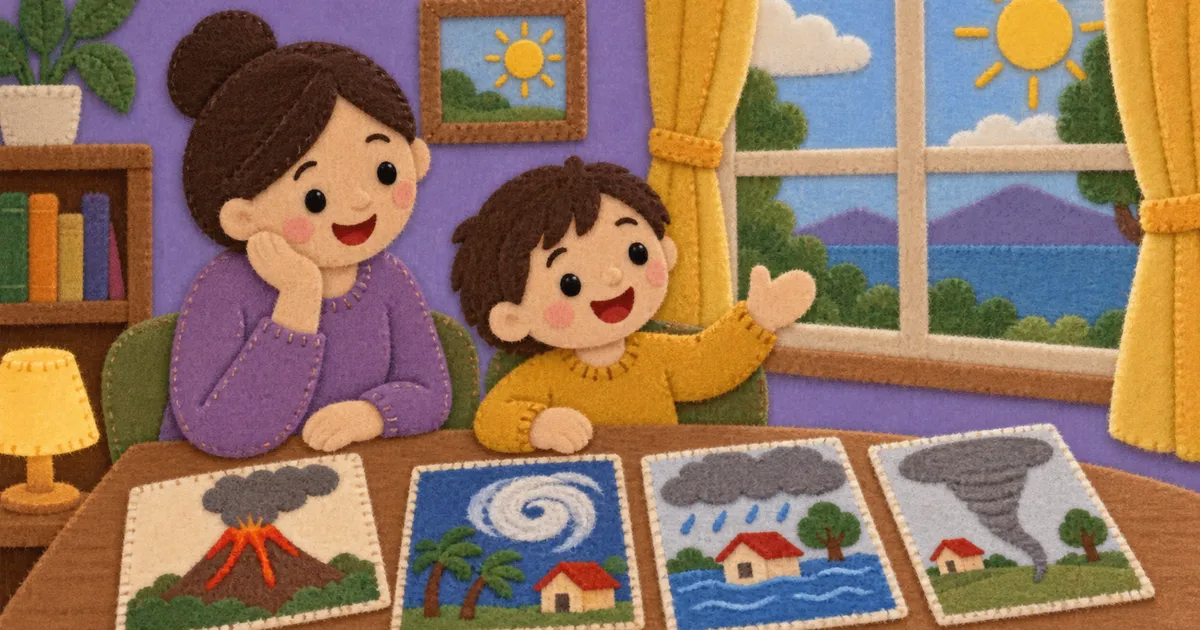
Start with the format, then build a small weekly routine. If the English speaking exam for kids includes picture description, use one family photo, one book picture, and one online classroom image each week. Ask: “What can you see?”, “Where are they?”, “What is happening?”, and “What might happen next?”
Keep practice short. Five focused minutes on four days beats one tense hour. Young children need play. Older children can use a checklist: answer the question, add one detail, give one reason, and ask for help if needed.
Across LearnLink lessons, tutors work on general English skills that support speaking exams: listening to prompts, answering in full phrases, repairing mistakes, and speaking with a real person. With regular practice, children steadily build confident everyday English at their own pace. Families who want a steady routine can also meet LearnLink tutors who teach children aged 4-15 online.
Examples by Age
For school-age kids, practice should feel like shared play. Use toys, colors, animals, food, and actions. A good answer for this age can be short: “It is a red car.” “The dog is running.” “I like bananas.” The main skill is answering without fear.
For school-age kids, children can build two-sentence answers. If the examiner asks, “What do you do after school?”, a strong answer might be: “I play with my brother. Then I do my homework.” This age group benefits from picture stories with a beginning, middle, and end.
For school-age kids, the work becomes more structured. Learners compare, explain, and give reasons: “I prefer online lessons because I can study at home, but I like group games because they help me speak faster.” An English speaking exam for kids at this stage may include opinions, planning, or a short discussion with another learner.
Practical Activities That Build Speaking
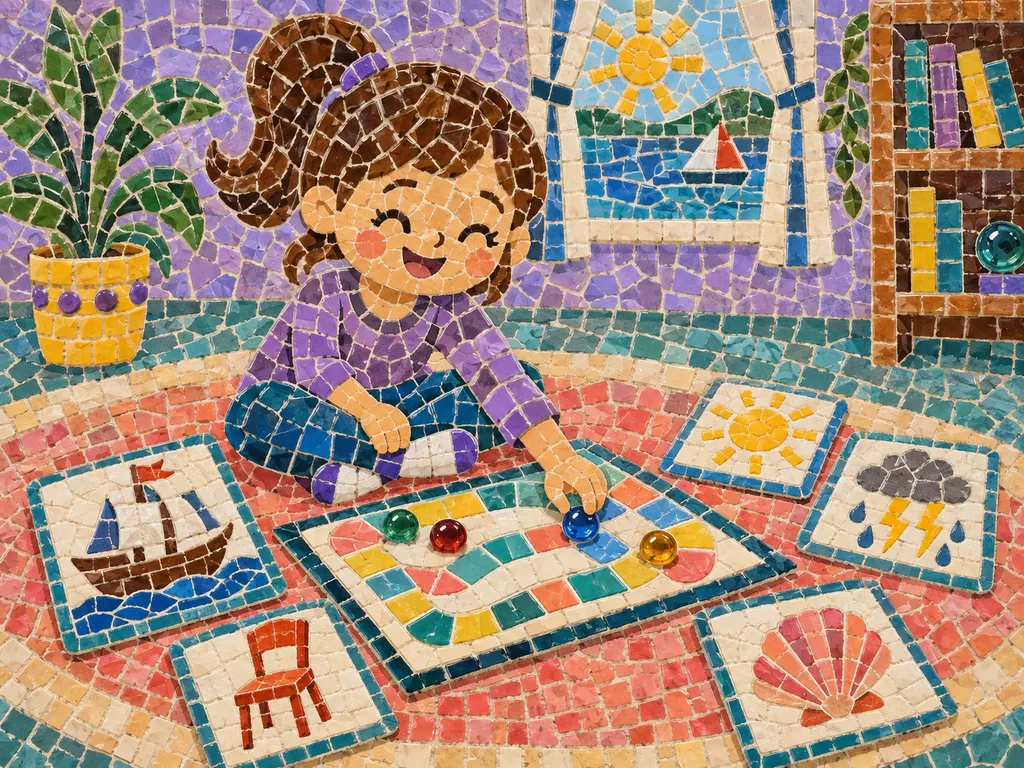
Use activities that copy the exam skill without turning home into a test room. Picture talk is the easiest. Show one image and ask the child to say five things: one object, one color, one action, one place, and one feeling. This gives structure without a script.
Role-play works well. A parent can be a shopkeeper, teacher, doctor, or new friend at school. The child practises greetings, requests, and short answers. For older children, add a task: agree on a weekend plan, choose a club, or explain which school trip is better.
Practice 1: Picture Answer Builder
Choose any picture. Ask your child to answer in this order: “I can see…”, “They are…”, “It is…”, “I think… because…”. Younger children can use the first two sentence starters only. Older children should add a reason with “because”.
For a child who freezes, teach repair phrases early. Helpful phrases include: “Can you repeat that, please?”, “I don’t know the word, but it is like…”, “Let me think,” and “I mean…” These phrases help children stay in the English speaking exam for kids when one word disappears.
A Simple Preparation Timeline
If the exam is more than three months away, focus on general speaking fluency first. Build vocabulary around family, home, school, food, hobbies, animals, places, weather, and daily routines. Add one weekly picture task and one short question round.
If the exam is six to eight weeks away, practise the likely task types. Use a timer only after the child knows what to do. Record one answer per week and listen together for one strength and one next step. Keep feedback narrow: “Add one reason” beats “Speak better.”
In the final week, reduce pressure. Review exam phrases, sleep well, and do two or three light practice rounds. Do not introduce a new grammar point the night before. An English speaking exam for kids feels easier when the child arrives rested and knows the pattern.
What to Avoid During Preparation
Avoid memorised speeches. They may sound strong at home, but they often break when the examiner changes one word. Children need flexible answers: a short opening sentence, one detail, and a reason when the level allows it.
Avoid correcting every mistake while the child is speaking. Stop-start correction can make children watch grammar more than meaning. During practice, let the child finish. Then choose one point to improve: past tense, longer answers, pronunciation, or asking for repetition.
Avoid comparing siblings, classmates, or countries. Multilingual children may move through skills unevenly. A child who understands a lot may speak slowly at first. That is common, especially for first-time online learners who are still learning how to talk to a tutor through a screen. The English speaking exam for kids should measure progress, not family pressure.
- Practice one 8-minute mock speaking exam with your child twice this week.
- Use a simple picture book to ask five open questions aloud.
- Record a 60-second answer, then praise one clear speaking improvement.
- Try three calm breathing rounds before practicing difficult exam questions.
- Review two common mistakes without interrupting your child mid-answer.
For the rule wording, Wikipedia — English Grammar is a useful reference while the practice examples here stay adapted for children.
Frequently Asked Questions
How Early Should We Start Preparing for a Speaking Exam?
For most children, eight to twelve weeks gives enough time to build comfort without pressure. If your child is new to online learning or shy with adults, start earlier with short speaking routines. The first goal is not exam technique. It is helping your child answer questions, listen carefully, and recover when unsure.
Does My Child Need Perfect Grammar to Pass?
No. Speaking exams reward communication as well as accuracy. A child who says, “Yesterday I go park” has made a grammar mistake, but the meaning is clear. Over time, practise a better version: “Yesterday I went to the park.” Clear answers, vocabulary, and willingness to continue matter a lot.
What If My Child Is Shy or Refuses to Speak?
Begin with low-pressure choices. Ask either-or questions: “Do you like cats or dogs?” Then add one small reason: “I like dogs because they are funny.” Let your child rehearse with a parent before speaking to a tutor or examiner. Shy children often need repeated safe practice before they show what they know.
Can Online Lessons Help with an English Speaking Exam for Kids?
Online lessons can help when they include real conversation, listening practice, and age-appropriate feedback. They should not be only worksheets on screen. For an English speaking exam for kids, the child needs to hear questions, answer aloud, make small mistakes, and try again with guidance.
Should We Use Past Exam Papers at Home?
Use them carefully if they match the exam your child may take. Past-style tasks can show the format, but they should not replace broad speaking practice. Young learners still need stories, games, pictures, and daily topics. Older learners need reasons, examples, and follow-up questions.
Practice 2: Short Interview Round
Ask five questions: “What is your favorite food?”, “What do you do after school?”, “Tell me about your best friend,” “What did you do yesterday?”, and “What would you like to learn?” Your child should answer each question, then add one extra detail. For school-age kids, ask one follow-up question each time.
Start your child's English journey today — book a trial lesson with LearnLink.
Stay updated on our latest tips and resources by following us on Instagram LearnLink.