A1 English Level for Kids
A1 is the first full CEFR step: a child understands and uses basic English for everyday needs, including greetings, names, ages, colours, family words, school items, and short questions. The a1 english level for kids means small, correct English used confidently, not perfect speech. A younger child may answer “What’s this?” with “It’s a red ball.” An older beginner may write five hobby sentences. A1 gives parents a practical map: current skills, next steps, and pressure-free practice.
Why This Level Matters for Children
The a1 english level for kids turns “learn English” into visible skills. Children greet people, follow classroom instructions, name familiar things, ask basic questions, and talk about themselves in brief sentences. These skills support later reading, writing, and speaking.
A1 helps parents set fair expectations. One young learner may know many words yet struggle with full sentences. Another may speak in phrases but read slowly. Both can work at A1. The level describes what the child can do with English, not how bright or motivated the child is.
For multilingual families, A1 may look different child by child. A child who already speaks two languages may understand language learning yet still need time for English sounds, word order, and question forms. A fixed level helps adults support each learner without quick comparisons with classmates, siblings, or native speakers.
What A1 Means in Real Life
At A1, children use English in familiar settings. They can say their name, age, country, favourite food, and likes. They understand brief questions when speech sounds clear and the topic feels familiar. They read basic words and compact sentences, especially with pictures or context.
The a1 english level for kids covers family, animals, toys, colours, numbers, clothes, food, school, weather, daily routines, and home rooms. Grammar stays practical: “I am,” “I have,” “I like,” “There is,” “Can I,” plus present forms such as “She plays” or “He likes.”
A child at A1 should not need detailed opinions, fast speech, or long texts. Mistakes sound normal: “He like pizza” or “I have six year.” Growth means hearing the correct form, using it safely, then trying again in a new setting. For parents, a1 english level for kids works best through short, visual, weekly practice.
A Step-by-step Approach to A1
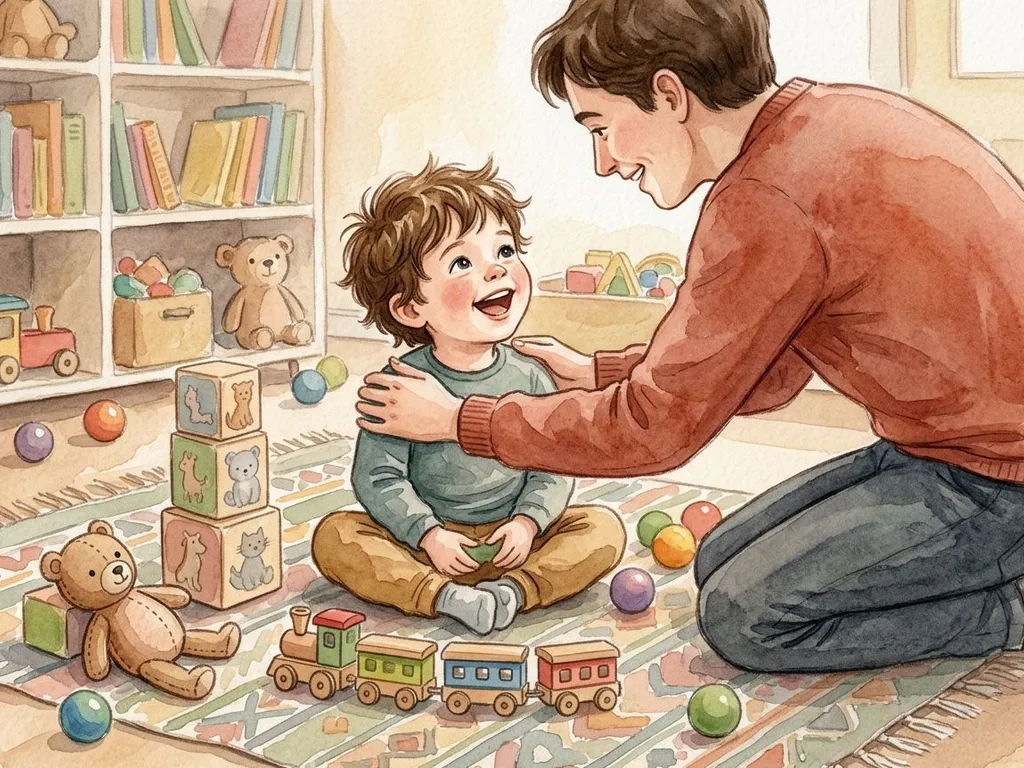
Start with listening and speaking before heavy writing. Children need several hearings before a word feels usable. In a strong A1 lesson, a child may hear “apple,” “banana,” and “sandwich,” then point, choose, repeat, answer, and finally make a sentence: “I like apples.” For parents, a1 english level for kids grows best through short, visual, weekly practice.
Next, build sentence patterns. A strong frame carries new words: “I have a…,” “This is my…,” “Can you see…?” or “There are two…”. Once the child knows the frame, new vocabulary feels easier than long word lists without sentence support.
Then add reading and writing in small steps. A younger child may match words to pictures and copy one sentence. An older child may read a brief bedroom text and write four sentences about their own room. For older beginners, the same A1 skills can use mature topics: sports, music, travel, or school life.
Practical Examples by Age
For school-age kids, A1 work should feel active and concrete. Children can sort colour cards, sing action songs, point to body parts, move toy animals, and answer quick questions. Adult speech should stay direct and repeated, not babyish. A child can learn “The bear is big” through play, drawing, or picture choices.
For school-age kids, the a1 english level for kids can include brief reading, guided speaking, and basic writing. A child might read “Tom has a bike. His bike is blue,” then answer “What colour is the bike?” and write “My bike is black.” This links reading, meaning, and personal use.
For school-age kids, A1 should respect age even when language stays beginner level. A teenager does not need childish topics for basic English. They can practise names, countries, hobbies, routines, school subjects, food, and weekend plans through dialogues, profiles, messages, and quizzes.
A1 Practice: Choose the Right Word
Complete the sentences with am, is, are, have, or like. 1. I ___ seven. 2. My sister ___ a red bag. 3. We ___ in the classroom. 4. I ___ a small dog. 5. They ___ apples. Answers: 1. am 2. has 3. are 4. have 5. like.
How Long A1 May Take
No honest one-size timeline exists. Age, lesson rhythm, home support, starting point, confidence, and language background all matter. A child with two focused lessons weekly and English at home may progress faster than a child studying once weekly with little between-lesson practice.
As a planning guide, children often need several months of steady work before A1 language feels comfortable. Younger children may stay longer at oral practice before much writing. Older children may move through early vocabulary faster but still need pronunciation, listening, and sentence-order practice.
Ask “What can my child now do alone?” If your child can greet someone, answer personal questions, follow classroom instructions, read brief sentences, and write short lines, A1 skills are becoming stable. The a1 english level for kids gives you checkpoints without turning progress into pressure.
Preparation for Tests and School Goals
Some parents check A1 because school placement, a report, or a young learner exam pathway raised the question. Cambridge English and other exam boards may use beginner stages near early CEFR levels, but each test has its own format and age guidance. Exam names can clarify level; general language growth still comes first.
If your child may take a test later, build calm habits now. Practise listening to concise instructions, answering in full basic sentences, reading basic questions, and checking written work. These habits help in class and formal tasks without turning every lesson into exam training.
Keep practice child-sized. Ten focused minutes can beat a long worksheet finished through tears. Use real topics: “What is in your bag?”, “What do you eat for breakfast?”, “Where is the toy?”, “Can you spell your name?” The child learns English as a meaning tool, not only a subject to pass.
A1 Practice: Short Speaking Answers
Ask your child these questions and accept short, clear answers. 1. What is your name? 2. How old are you? 3. What colour do you like? 4. Do you have a pet? 5. What do you eat for breakfast? Model one answer if needed: “I like blue.” Then ask your child to change one word.
Tips for Parents and Teachers
Use English in small, repeatable moments. At home, try “Shoes on,” “Wash your hands,” “Choose a book,” or “Good night.” In class, use “Listen,” “Circle the word,” or “Ask your partner.” Repeated classroom language helps children feel safe because they know what comes next.
Correct with care. If a child says “She have cat,” an adult can answer, “Yes, she has a cat,” then continue the task. This gives the right model without stopping the child’s thought. Direct correction has value, but too much can make a beginner speak less.
Track progress through evidence. Keep a small can-do list: name ten animals, answer three personal questions, read five classroom words, write three “I like” sentences. This beats labels such as “good” or “weak” and helps tutors choose the next lesson aim for school-age kids across the 4-15 range.
Quick Recap and Next Steps
The a1 english level for kids means a child can use basic English for familiar people, places, things, and routines. It includes brief listening tasks, basic speaking, early reading, and concise writing. It starts the journey, yet gives children language for joining lessons, answering questions, and speaking with confidence.
Use these next steps before choosing more materials. 1. Check one skill: listening, speaking, reading, or writing. 2. Try one ten-minute task three times this week. 3. Practise one sentence frame with new words. 4. Start a small evidence list so progress is visible. LearnLink supports English learning for 4,000+ families, but the practical home measure remains what your child can do alone today.
Data current as of July 2026.
When a word has several meanings or pronunciations, Cambridge Dictionary is a useful check before turning it into child-friendly examples.
Frequently Asked Questions
What Age Is A1 English For?
A1 is a level, not an age. A younger child and an older beginner can both be at A1, but they should study differently. Younger children need movement, pictures, songs, and brief turns. Older children need age-respectful topics, defined goals, plus more reading and writing. The a1 english level for kids should match both language level and maturity.
How Can I Tell If My Child Is at A1?
Look at what your child can do without heavy help. Can they answer basic questions about name, age, likes, family, and school? Can they follow basic instructions? Can they read or recognise basic words and write concise sentences? If most answers are yes, your child may be working within A1. A tutor can check this through listening, speaking, reading, and writing tasks.
Does My Child Need Grammar Rules at A1?
Yes, but rules should stay light and practical. Children need patterns such as “I am,” “I have,” “I like,” “There is,” and “Can I…?” They do not need long grammar lectures. A brief model, one example, and repeated use work well. Older children can handle quick rule notes, especially when the rule helps them fix a sentence they want to say.
How Much Should My Child Practise Between Lessons?
Regular focused practice is enough. Five to ten minutes, three or four times weekly, can help a beginner remember words and sentence patterns. Use flashcards, picture books, songs, quick questions, or a mini notebook. Stop before your child gets tired. At A1, confidence and routine matter more than long study blocks.
Is A1 Enough for School English?
A1 may support basic classroom participation, but it is only the first stage. A child at A1 can manage greetings, basic instructions, short texts, and concise answers. School work often needs more: longer reading, tighter writing, and subject words. Treat A1 as a strong base, then keep building toward A2 and beyond with steady practice.
Start your child's English journey today — Try a trial lesson with LearnLink.
Stay updated on our latest tips and resources by following us on Instagram LearnLink.