Native English Teachers for Kids
A native english speaker for kids offers more than fluent talk; learning needs a natural model for everyday words, useful phrases, rhythm, and polite speech a child can copy. For ages 4-15, success does not mean one national accent. Children need common English for lessons, games, school tasks, travel, and online chats with family. This word list gives parents a teachable base: first words, phrases, and practice matched to age and attention span.
Start with Words Children Can Use Today
Children learn faster when new words connect with real life. A 5-year-old can point, touch, sort, and repeat. A 9-year-old can describe, compare, and ask questions. A teenager can turn those same words into fuller sentences with reasons and opinions.
Most families need a practical list, clear examples, and short exercises children can use immediately.
Use short sets. Five to eight new words suit young children. Older children can handle ten to twelve when they say each word aloud, not just read it.
Core Word List by Topic
This list gives home practice and online lessons a strong base. Read each word aloud, then ask your child to point, draw, act, choose, or answer with a short sentence.
Do not rush toward rare words. A child who can use “I have a question,” “I feel tired,” and “Can I try again?” already has practical English building classroom English.
Natural Phrases Children Hear from Fluent Speakers
Single words matter, but children need short ready-made phrases. Phrases help them join a lesson without parent translation.
For a native english speaker for kids approach, keep phrases warm, plain, and practical. Teach them as whole chunks first. Grammar can follow after your child has heard each phrase often.
How to Introduce New Words at Home
Use this order: hear, see, say, use. Let your child hear the word in a sentence. Show an object, picture, gesture, or action. Invite your child to say it. Then help them use it in a tiny sentence.
For example, do not teach “yellow” as a lonely sound. Say, “This is yellow,” while pointing at a banana, a shirt, or a toy. Then ask, “What is yellow in this room?” The child learns both the word and its job.
Across LearnLink lessons, tutors use age-fit tasks: picture choice, movement, short answers, guided reading, and conversation. For a 4-year-old, “jump” may mean standing up and jumping. For a 12-year-old, it may become “The cat can jump over the box.”
Practice Vocabulary: Five-minute Word Hunt
Choose one topic, such as colors or food. Say six words aloud, then ask your child to find or draw each one. Finish with three sentences: “I see…”, “I like…”, and “I don’t like…”. Stop before your child feels worn out.
How This Differs from Memorising a Long List
A long list can look serious, yet often brings weak results. Children need repeated use in small settings. They need to hear a word in a sentence, answer with it, and meet it again days later.
A native english speaker for kids focus works when children hear natural wording often: classroom phrases, polite requests, and everyday answers, not only flashcard nouns.
Age-by-age Ways to Practise
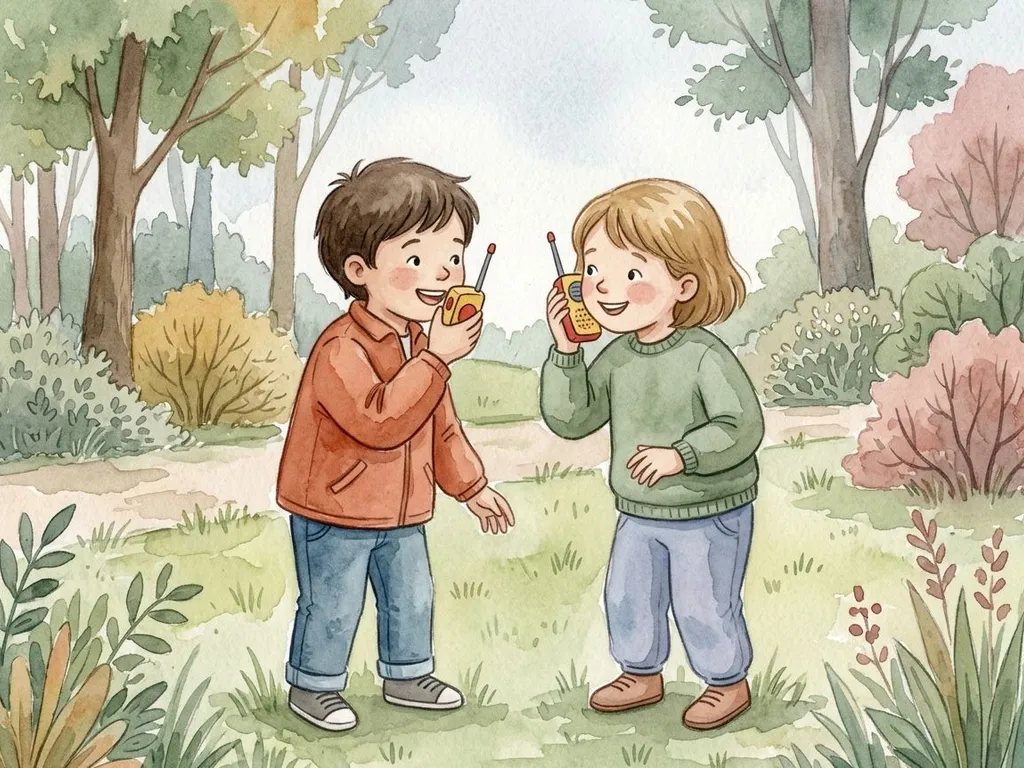
Young kids need movement, pictures, songs, toys, and short turns. Ask for one-word answers first: “Red or blue?” “Cat or dog?” Then build toward “It is red” or “I like dogs.” Praise effort, not speed.
School-age kids can sort words, play memory games, label a drawing, and answer “What,” “Where,” and “Who” questions. They can notice word pairs: big and small, hot and cold, happy and sad.
Older kids need respect for their growing mind. Keep core words, but use them in richer tasks: describe a room, plan a snack, compare two animals, or explain a school day. Older children do not need babyish practice; they need language with real choices.
Using Lessons with a Fluent Model
Some families want a native english speaker for kids because accent, listening, and natural phrases matter to them. Those goals make sense, but children also need a tutor who can slow down, grade language, check understanding, and keep lessons safe.
In LearnLink’s 1-on-1 English lessons for ages 4-15, the tutor can adjust each word set to the child’s level. A beginner may work with colors and animals. A stronger learner may use the same topic to give reasons: “I like dolphins because they are clever.” A native english speaker for kids works best when that model stays patient, clear, and child-centred.
The sign is not perfect accent after one lesson. It is a child who understands more, speaks more freely, and knows what to do when meaning breaks. “Can you say it again?” is a strong learning sentence.
Practice Conversation: Picture Talk
Show one busy picture from a book or family-safe image. Ask your child to name three things, choose one color, and say one action. Older children can add a reason: “The boy is happy because he has a dog.”
When a word has several meanings or pronunciations, Cambridge Dictionary is a useful check before turning it into child-friendly examples.
Frequently Asked Questions
How Many English Words Should a Child Learn First?
Start with 40-80 high-use words across people, colors, food, animals, home, actions, feelings, and school. Exact number matters less than use. A child who can say “I’m tired,” “I need help,” and “I choose this one” has more practical English than a child who can recite nouns but cannot answer in a lesson.
Does My Child Need a Native English Speaker for Kids to Learn Good Pronunciation?
A fluent model helps, especially for rhythm, stress, and everyday phrases. Still, teaching matters as much as speaker background. Your child needs slow input, correction that does not stop speech, and chances to answer. A native english speaker for kids can help when lessons stay child-centred and level-appropriate.
Should We Translate New Words into Our Home Language?
Translation helps when a child feels stuck or the word is abstract, such as “proud” or “worried.” For concrete words, try pictures, objects, actions, and choices first. In multilingual families, this keeps English active while respecting the child’s other languages. The aim is not banning translation; the aim is avoiding translation as the only route to meaning.
How Can We Practise If Parents Are Not Confident in English?
Use short, safe routines. Point and say colors, count objects, match picture cards, or ask either-or questions such as “apple or bread?” Audio from lessons or child-safe learning materials can support pronunciation. Parents do not need perfect English to help. They need steady routines, warm attention, and repeated phrases. A native english speaker for kids can add a clear model while parents keep practice warm and regular. With a native english speaker for kids, home routines still stay simple, short, and encouraging.
Want to see how these ideas work in a real lesson — try a free LearnLink lesson.
Stay updated on our latest tips and resources by following us on Instagram LearnLink.