English Cartoon for Kids Guide
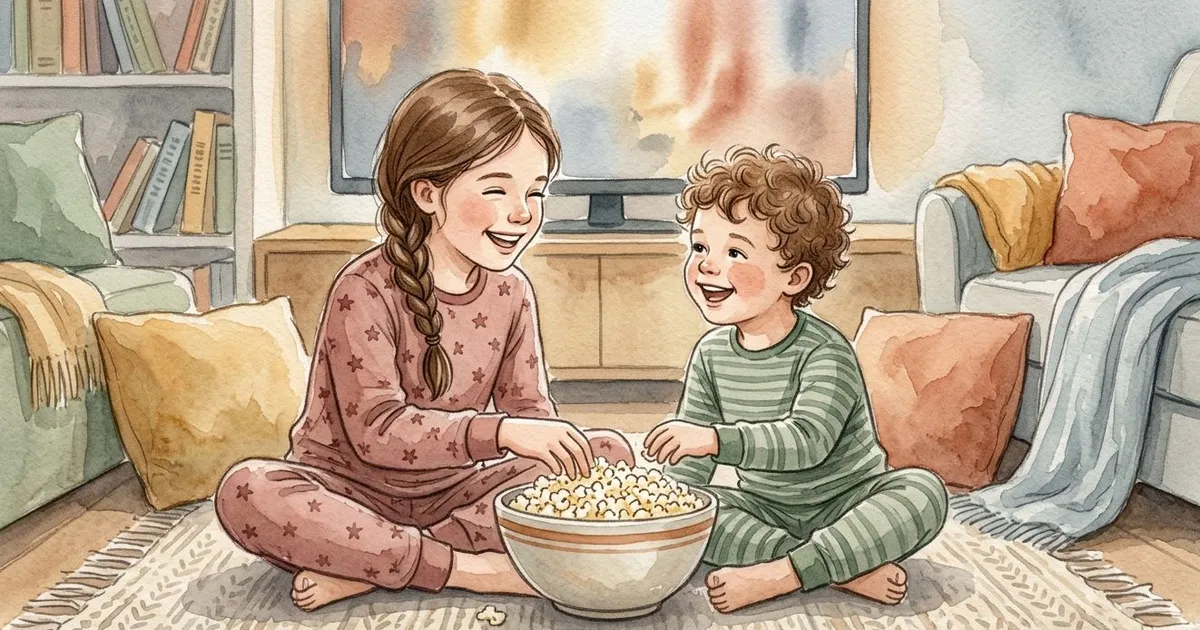
Children learn more English from cartoons when each viewing has one clear purpose and one quick follow-up. An english cartoon for kids can build listening, phrases, turn-taking words, feelings vocabulary, and confidence with English sounds. Older children can use animated shows for plot, jokes, accents, and natural speech. Do not leave your child alone with a screen and hope English “sticks.” Pick one suitable episode, watch with focus, then reuse two or three words during play, meals, drawing, or bedtime talk.
What Makes a Cartoon Good for English Learning?
A strong learning cartoon has clean speech, repeated phrases, expressive faces, and a story your child can follow without catching every word. A pre-school child may need songs plus visible actions. A school-age learner may enjoy a mystery, science problem, or funny family scene. The right english cartoon for kids gives enough picture, tone, and routine support for guessable meaning.
Start short. Ten to fifteen minutes often suits young learners. If a show moves too fast, uses sarcasm, or depends on slang, your child may enjoy the pictures yet miss the language. Save it for relaxed viewing, not focused English practice.
Good Cartoon Choices by Learning Goal
Choose by goal, not brand name. For a new learner, start with slow speech, greetings, colors, numbers, food, toys, family words, and feelings. If your child understands classroom English, choose problem-solving stories: “What happened?”, “Why did she do that?”, “What should they try next?”
The table below gives practical starting points. Availability changes by country and service, so search the official channel or legal local provider before promising a show.
How to Use One Episode Without Turning It into a Lesson
Before the episode, give one small job: “Listen for food words,” or “Find three feeling words.” During the episode, do not stop every sentence. Too many pauses break the story and make English feel like a test. An english cartoon for kids should still feel like a cartoon.
After watching, ask for a tiny response. A younger child can point, act, draw, or repeat one phrase. An older child can retell the story in three sentences. Keep the pattern simple: notice, use, return later. Memory grows without pressure.
Choosing by Age Without Being Too Strict
For pre-school age children, choose bright, slow scenes with songs, repeated lines, and visible actions. Children at this stage learn well from “again” and “same.” If they watch the same short clip five times and copy one phrase with joy, that counts as practice.
For school-age kids, choose stories with friendship, choices, rules, pets, food, school, travel, and small problems. This age range suits an english cartoon for kids especially well because children can follow plot and still enjoy repetition. They can start using full sentence frames: “I think he is angry because…”
For older school-age kids, cartoons can still work, but respect matters. Avoid shows that feel babyish. Use animated shorts, science explainers, graphic-novel-style series, or comedy with clean speech. Ask for opinions, predictions, and alternative endings instead of naming tasks.
Accent, Speed, and Subtitles
Children can hear British, American, Australian, Irish, or other English accents if speech stays clean and level-appropriate. A child does not need one “perfect” accent. Children need calm pattern exposure and enough meaning support.
Subtitles can help older children, yet distract early readers. For a beginner, try one viewing without subtitles, then one with English subtitles only if your child asks or seems ready. Avoid home-language subtitles when listening practice is the goal, because children may read the familiar language and stop listening to English.
A Simple Weekly Cartoon Routine
One english cartoon for kids can become a week of light practice. On Monday, watch one short episode. On Tuesday, replay one scene and copy two lines. On Wednesday, draw a scene and label three objects. On Thursday, act out a short part. On Friday, retell the story with a parent, sibling, or tutor.
Keep the routine small. Ten minutes done often beats one long session ending in tiredness. After a busy school day, use cartoons as a bridge into English, not another subject to pass.
Five-Minute Cartoon Talk
Choose one scene from an english cartoon for kids. Ask your child to name one person, one place, and one feeling in English. Then give two sentence starters: “I can see…” and “He or she feels…” End with one scene action, such as jumping, waving, hiding, or cooking.
Screen Time Rules That Support Learning
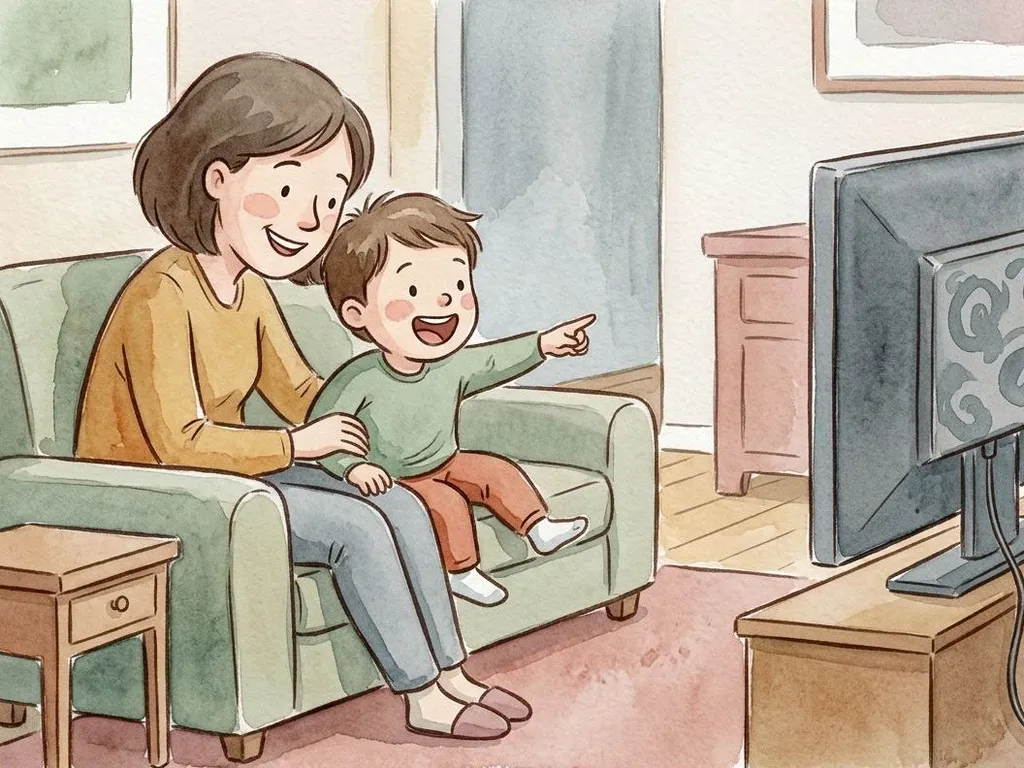
Children learn most when an adult stays nearby for at least part of viewing time. The American Academy of Pediatrics media planning guidance advises families to make media plans that protect sleep, movement, and face-to-face time. For English learning, use short viewing, firm limits, and talk before or after.
Use a visible stop point: one episode, one timer, or one agreed playlist. Avoid endless autoplay, especially for first-time online learners. A child who knows the endpoint watches more calmly and argues less when the screen closes.
When a Cartoon Is Not Enough
A cartoon can give input, but it cannot replace live speech. Children need someone to wait for their answer, repair mistakes kindly, and ask follow-up questions. An english cartoon for kids may teach “Can I have…?” but a child learns to use it when a real person answers.
Guided practice matters here. In online lessons with LearnLink tutors, children aged 4-15 can bring show words into speaking games, reading tasks, and small projects. LearnLink has supported 4,000+ families with English practice that connects screen input to real conversation.
Data current as of July 2026.
Frequently Asked Questions
What Is the Best English Cartoon for Kids Who Are Beginners?
The best english cartoon for kids who are beginners is usually short and slow, with repeated phrases and daily scenes. Songs, greetings, colors, food, toys, and feelings work well. Do not start with a fast adventure series just because it is popular. If your child can copy one phrase and explain the scene with gestures or drawing, the level is close enough.
Should My Child Watch English Cartoons with English Subtitles?
For children who read English comfortably, English subtitles can support spelling and phrase memory. For younger children or early readers, subtitles may add too much load. Try one short scene both ways. If subtitles help your child repeat a phrase, keep them. If your child stares at words and misses the story, turn them off.
How Long Should a Child Watch English Cartoons for English Practice?
For school-age kids, one short episode or ten to fifteen minutes is often enough. Older children may manage longer, but learning still depends on what happens after viewing. Ask for one retell, one opinion, or three new words. A short routine with talk beats a long silent session.
Can English Cartoons Teach Speaking, or Only Listening?
An english cartoon for kids mainly builds listening, sound awareness, and phrase memory. Speaking grows when a child uses those phrases with another person. Pause after a repeated line and let your child copy it. Later, use the same words in play, cooking, drawing, or a lesson. That is how screen input becomes spoken English.
Is It Okay If My Child Watches the Same Cartoon Many Times?
Yes, repetition can help. Young learners often need to hear the same phrase several times before they use it. Try three steps: 1. Choose one repeated phrase. 2. Practice it aloud after the scene. 3. Use it later in a real request, drawing, game, or short lesson. Rewatching works when it leads to noticing and use.
Start your child's English journey today — book a trial lesson with LearnLink.
Stay updated on our latest tips and resources by following us on Instagram LearnLink.