A Guide to Personal Pronouns for Kids
Personal pronouns replace names or nouns, so a child can say “she,” “we,” or “them” instead of repeating a name. Personal Pronouns for Kids: A Practical Guide shows pronouns as small words keeping speech clear, kind, and smooth. For ages 4-15, children link each pronoun to a person, group, or thing with its pronoun, then choose the right sentence form. A young child may start with “I” and “you.” An older child can learn subject, object, and possessive forms.
📥 A Guide to Personal Pronouns for Kids
Practice worksheet: subject and object pronouns with answers
Leave your email — we'll send the PDF to your inbox.No spam — the PDF plus one short reminder. Unsubscribe anytime.
What Children Need to Understand First
A pronoun stands in for a noun. In “Lina is reading. She is reading,” “she” stands in for “Lina.” In “The books are here. Put them on the table,” “them” stands in for “the books.” This is the heart of Personal Pronouns for Kids: A Practical Guide: children must know who or what each pronoun points to.
Children need number and role. Number means one person or thing, or more than one: “I” is one speaker, “we” is a group with the speaker, and “they” can mean more than one person or thing. Role means the sentence job. “He called me” differs from “I called him.”
For multilingual children, pronouns may feel familiar but not identical. Home languages may drop the subject pronoun, use gender differently, or change pronouns more than English. Respect that knowledge while teaching the English pattern: English needs a visible subject before the verb.
How Personal Pronouns Work in English
English personal pronouns change form by job. A subject pronoun comes before the verb: “They play chess.” An object pronoun comes after a verb or preposition: “The tutor helped them,” or “This is for them.” Possessive forms show belonging: “This is her pencil” or “The pencil is hers.”
Personal Pronouns for Kids: A Practical Guide should not start with only a long grammar chart. Children learn faster when each form has a job they can act out. One child gives a book: “I give it to you.” Two children receive it: “She gives it to us.” Action makes grammar visible.
Rules and Examples That Children Can Use
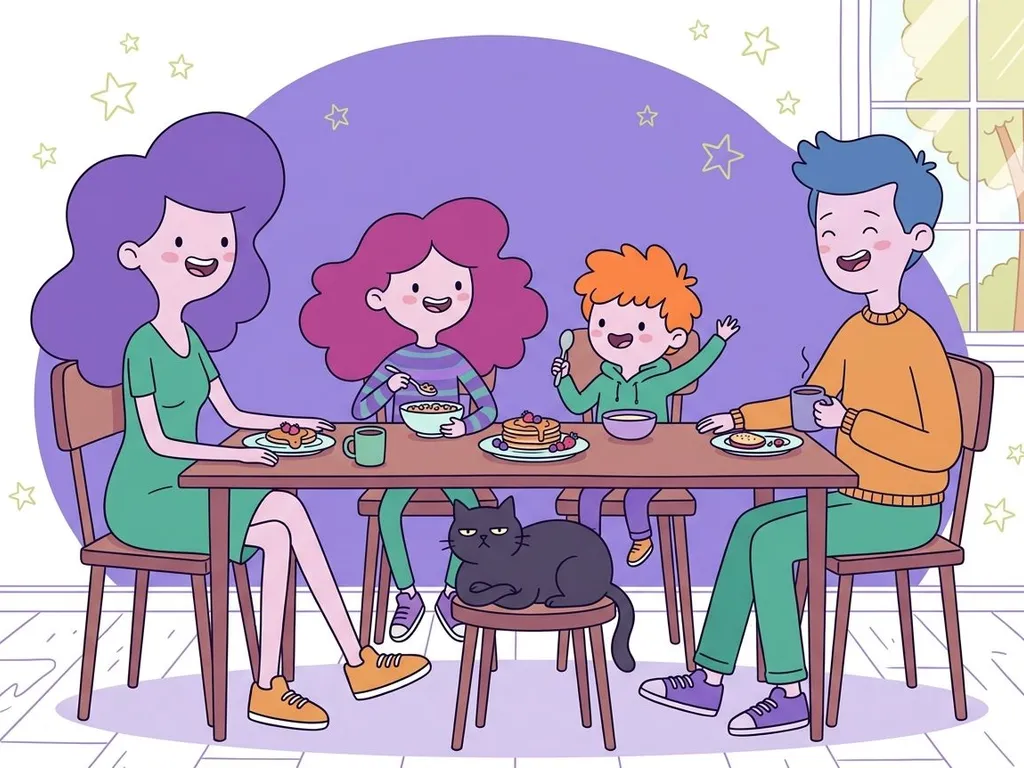
Start with the speaker. “I” means the person speaking. “You” means the person or people listening. “We” means the speaker plus at least one other person. Practise these three pronouns in family routines: “I choose the song,” “You read the title,” “We clean the table.”
Then add third-person pronouns. “He” and “she” refer to people when gender is known and relevant. “They” refers to more than one person or thing, and to one person when gender is unknown or unnecessary: “Someone left their notebook.” “It” refers to one thing, animal, idea, or situation: “It is raining,” “It is a small bird.”
For older children, use this rule: choose the pronoun after identifying its sentence place. Before the verb, use a subject form: “She saw the film.” After the verb, use an object form: “The film surprised her.” This keeps Personal Pronouns for Kids: A Practical Guide practical, not abstract.
Common Mistakes and How to Correct Them
One mistake is using an object pronoun as the subject: “Me want juice.” Younger children often choose “me” because it sounds strong and personal. Correct briefly and calmly: “I want juice.” Ask the child to repeat the whole sentence, not the single word.
Another mistake mixes “he,” “she,” and “it.” A child may say “he” for every person or “it” for a loved animal. Use clear examples: “Your brother is he,” “your sister is she,” “one toy is it,” “two toys are they.” For pets, families often use “he” or “she” when they know the pet’s sex; “it” works when speaking generally about an animal.
Older children may confuse “your” and “yours,” or “their” and “theirs.” Possessive adjectives need a noun after them: “your jacket,” “their room.” Possessive pronouns stand alone: “The jacket is yours,” “The room is theirs.” Across LearnLink lessons, our tutors often check this through short spoken answers before written exercises.
Examples by Age and Level
Children need concrete words, movement, and pictures. Put three toys on the table and say, “It is red,” “They are small,” “Give it to me,” “Give them to her.” At this stage, aim for quick, correct use in real sentences, not a perfect explanation.
Children can sort pronouns into groups. They can label “I, he, we” as subject pronouns and “me, him, us” as object pronouns. They can rewrite short texts: “Maya has a kite. Maya flies the kite” becomes “Maya has a kite. She flies it.” Here, Personal Pronouns for Kids: A Practical Guide becomes a writing tool, not only a speaking topic.
Teen learners can handle tone and precision. They should know that “they” can refer to a group, an unknown person, or a person whose pronouns are they/them. They can study formal and informal choices, such as why “It is I” exists but “It’s me” is the natural spoken form in most everyday settings.
Practice Activities for Home or Lessons
Strong pronoun practice is short, oral, and repeated across several days. A five-minute activity after reading a story often beats a long worksheet. Ask, “Who is he?” “What did she do?” “Where did they go?” The child connects each pronoun to a real person or group in the story.
For written practice, keep meaning clear. Too many names make children guess. Visible nouns and simple actions help them learn: “The apples are on the plate. Eat them.” Personal Pronouns for Kids: A Practical Guide works best when examples sound like speech children might truly use.
Fill in the Pronoun
Choose the best pronoun: 1. Tom is ready. ___ has his bag. 2. The pencils are on the floor. Pick ___ up. 3. My sister and I are here. ___ are early. 4. This cake is for Dad. Give it to ___. 5. I made this picture. It is ___.
Change the Repeated Noun
Rewrite each second sentence with a pronoun: 1. Sara has a bike. Sara rides the bike to school. 2. The cats are hungry. Feed the cats now. 3. Ben and I like music. Ben and I play drums. 4. This is Anna’s coat. The coat is Anna’s.
How Parents Can Help Without Over-teaching
Use correction as a model, not a lecture. If your child says, “Her is my friend,” answer, “Yes, she is your friend.” The response keeps talk warm and gives the correct form inside a real sentence. For children, hearing the right form often helps more than naming every grammar term.
Separate speaking practice from grammar explanation. During a game, let the child speak. After the game, review one pattern: “Today we practised ‘he’ and ‘she’ before the verb.” This makes Personal Pronouns for Kids: A Practical Guide useful for shy, active, or new online learners.
- Try five-minute pronoun games with school-age kids during snack time.
- Use one picture book daily and name he, she, they.
- Practice correcting one sentence gently, then praise the clear version.
- Ask two “Who is it?” questions during cleanup or play.
- Model personal pronouns naturally instead of drilling rules or worksheets.
For the rule wording, Wikipedia — English Grammar is a useful reference while the practice examples here stay adapted for children.
Frequently Asked Questions
At What Age Should a Child Learn Personal Pronouns in English?
Children can start using “I,” “you,” “me,” and “my” from the first months of English learning, even at age 4 or 5. Formal labels such as “subject pronoun” and “object pronoun” can wait until the child can read and compare sentence patterns. Order matters more than age: first meaning, then use, then grammar names.
Why Does My Child Say “Me” Instead of “I”?
“Me” appears often in young children’s speech because it is clear in phrases such as “help me” and “give me.” Do not turn every mistake into a grammar lesson. Model the full sentence: “I want a turn,” “I can do it,” “I like this one.” With steady input, most children begin to feel that “I” belongs before the verb.
Should Children Learn All Pronoun Forms at Once?
No. A smaller set works better. Begin with “I,” “you,” “he,” “she,” “it,” “we,” and “they” in subject position. Add “me,” “him,” “her,” “us,” and “them” after the child can make short sentences. Possessive forms such as “mine” and “theirs” are clearer after ownership words like “my” and “your.”
How Can Multilingual Families Practise Pronouns Without Confusion?
Keep English practice in clear English sentences, and avoid translating every word back and forth. You can compare languages briefly: “In English, we say the subject.” Then return to examples. Personal Pronouns for Kids: A Practical Guide helps multilingual children when each pronoun is tied to a person, object, action, and full sentence.
What Is the Best Quick Activity for Personal Pronouns?
Use a “point and say” game. Put family photos, toys, or drawings on a table. Point and ask, “Who is this?” “What is this?” “What can we say instead of the name?” The child answers with “he,” “she,” “it,” or “they,” then makes one full sentence: “She is smiling,” “They are running,” “It is green.”
Start your child's English journey today — book a trial lesson with LearnLink.
Stay updated on our latest tips and resources by following us on Instagram LearnLink.