Transforming English Learning With Stories
Transforming english learning through playful stories ranks among the strongest second-language approaches research confirms for children ages 4-15. Children following a character through a plot process new vocabulary through emotional context, not isolated list words. Story-based learning activates real-conversation pathways: listening, predicting, reacting. Across LearnLink lessons, children retain vocabulary from short story sessions far more readily than from traditional word drills. This guide explains why and gives parents and teachers practical home tools. Evidence for transforming english learning through playful stories shapes every LearnLink session.
📥 Story Words Practice Pack
Useful words and phrases for reading, retelling, and making playful English stories
Leave your email — we'll send the PDF to your inbox.No spam — the PDF plus one short reminder. Unsubscribe anytime.
Why Stories Work So Well for Young English Learners
Children understand life through stories long before school starts. A good narrative gives every new English word a job — the dragon is fierce, the bridge is narrow, the hero feels nervous. Meaning sticks because action and feeling carry it, not a flashcard definition. Transforming english learning through playful stories formalizes what generations of storytellers knew: words living inside narrative become harder to forget.
Second-language acquisition research shows that children learn new words most reliably when those words appear in context at least six to eight times. A story gives that repetition naturally, because the same character, object, or setting returns across pages or episodes. Children are not grinding through repetition; they are discovering what happens next.
This is why transforming english learning through playful stories produces faster measurable progress than grammar drills alone. Plot investment — will the lost puppy find its way home? — keeps attention high enough for real language acquisition, session after session.
The Science Behind Story-Based Language Learning
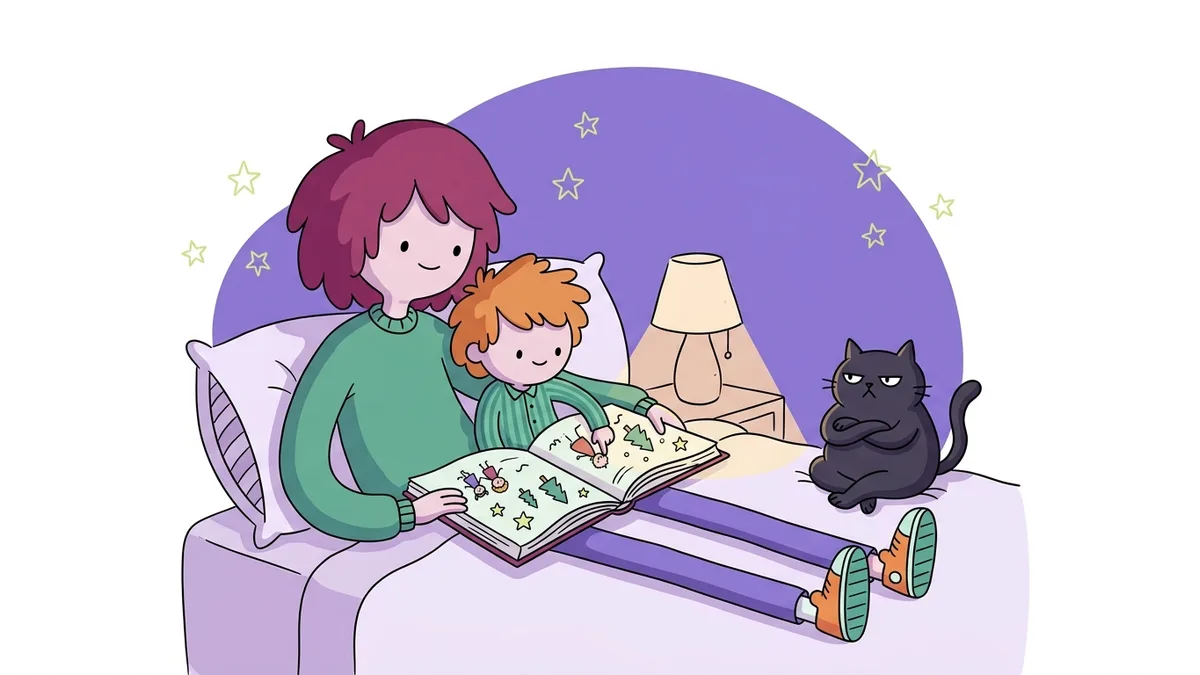
When a child hears or reads a story, the brain predicts in ways vocabulary tests rarely trigger. The listener guesses a character's next line, fills missing words from context, then checks those guesses against what appears. That predict-check cycle builds fluency.
Dual-coding theory explains how words paired with images or actions create two independent memory traces. Illustrated stories, acted-out scenes, and audio narration all use this effect. A word met through picture, sound, and text together becomes far harder to forget than a list word. This multi-channel effect helps explain why transforming english learning through playful stories produces retention rates vocabulary drills rarely match.
Stories also lower the affective filter — the anxiety barrier blocking language input in nervous learners. A child absorbed in a plot is not monitoring whether her English is "correct". She is listening for the story's answer. That relaxed attention suits language intake, especially for children meeting English for the first time.
A Step-by-Step Approach for Home and Classroom
Transforming english learning through playful stories requires no elaborate resources. A steady pattern of short, purposeful sessions builds measurable progress over weeks.
- Choose the right level. The story should sit just above the child's current reading level — roughly one unfamiliar word in ten. Too easy means no learning; too difficult makes the child withdraw.
- Pre-teach three to five key words. Before reading, show each word through a picture or short clip. Ask what the word might mean from the image — do not give the definition first.
- Read aloud together. For school-age kids, an adult reads while the child follows the pictures. For school-age kids, take turns sentence by sentence. For teens, silent reading plus short discussion works well.
- Pause and predict. Stop at a turning point: "What do you think happens next?" This keeps engagement high and pushes the child to use English for a real idea.
- Retell in the child's own words. After the story, ask: "Tell me what happened." Retelling reveals absorbed vocabulary and words needing more practice.
- Extend with a small output task. Draw a scene, act out a dialogue, or write two sentences about the ending. Output practice moves vocabulary from passive recognition into active memory.
Story Formats by Age Group
Different ages need different story formats. The table below maps key variables across ages 4-15. Across LearnLink lessons, tutors use these same parameters when selecting story content for each child. Matching format to age forms a key part of transforming english learning through playful stories effectively.
Practical Exercises to Try at Home
The exercises below work beside any story your child currently reads. They suit school-age kids and need no preparation beyond the story itself. Think of each exercise as another route for transforming english learning through playful stories — the story supplies language; the task makes it stick.
Exercise 1: Finish the Sentence
Read a chapter's opening lines together. Then cover the next sentence and ask your child to complete it. There is no wrong answer — the goal is using known English words in a new context.
Example: "The old castle stood at the top of the hill. Inside, it was very ___."
Likely answers: dark / cold / quiet / huge. After the child answers, uncover the real sentence and compare. Ask: "Which word do you prefer — yours or the author's? Why?" This small discussion produces more language use than ten minutes of silent reading.
Exercise 2: Story Word Hunt
Before reading, write five target words from the next chapter on small cards. Your child holds up the matching card each time a target word appears during the read-aloud.
After reading, turn the cards face down. Can your child use each word in a sentence from memory? One correct sentence per word is enough. This moves vocabulary from passive recognition — "I've seen that word" — into active use, where lasting retention begins.
Exercise 3: Change the Ending
After finishing a story, ask: "What would happen if the ending were different?" Give your child two to three minutes to tell or write an alternative ending in English. Accept mistakes without correcting mid-speech — note them and return to one or two patterns after the child finishes.
This works particularly well for school-age kids. It builds narrative vocabulary, practises past and conditional tenses in context, and gives children a genuine reason to produce extended English output rather than single sentences.
Tips for Parents and Teachers
Short sessions beat long ones. A ten-minute story routine every evening builds more language than a ninety-minute weekly session. Frequency matters more than duration at every age from 4 to 15.
Choose stories your child actually wants to read, not stories you consider educational. A child asking "what happens next?" has reached the optimal learning state. If a book loses them after two sessions, swap it without guilt. When children choose their own reading material, transforming english learning through playful stories stops feeling like study and starts feeling like a favourite daily moment. Motivation and progress are the same variable at this stage.
Multilingual children — those who already speak Spanish, Hebrew, French, or another home language — often transfer first-language reading strategies to English. Encourage this. Asking "how would you say that in Spanish?" is not a distraction; it is a cognitive bridge that speeds English acquisition and reinforces the child's existing languages.
Across LearnLink lessons, tutors use story segments of three to five minutes, followed by targeted questions and a short output task. This mirrors research guidance: input, interaction, output within one session. Parents following the same pattern at home report the most consistent progress between lessons.
For reading and phonics support beyond the article examples, Scholastic Parents is a helpful independent resource for parents.
Frequently Asked Questions
How Often Should My Child Have a Story-based English Session?
Transforming english learning through playful stories works best as a daily habit, not an occasional activity. Four to five short sessions per week (10-20 minutes each) produce better results than one long weekly session. Daily exposure — even ten minutes of reading aloud together — keeps new vocabulary active and builds the listening habit behind fluency. Frequent language contact is the single biggest predictor of early progress.
My Child Already Speaks Two Languages. Will Stories Still Help with English?
Yes, and often faster. Already bilingual children have stronger phonological awareness and faster vocabulary mapping. Story-based input gives rich context for applying those existing skills to English. The key is choosing right-level stories — not too easy, not overwhelming. A LearnLink tutor can assess this in the first session and recommend suitable materials from the start.
What Is the Best Age to Begin Story-based English Lessons?
No age is too early. Children as young as three benefit from hearing English picture books read aloud, even before they speak any English. Earlier exposure supports more natural accent and more intuitive grammar. Families ready to begin transforming english learning through playful stories can start with simple picture books and ten-minute read-aloud sessions — no formal teaching required.
How Do I Know If a Story Is the Right Difficulty Level for My Child?
Use the "one-in-ten" guide: read a page aloud and count unfamiliar words. If more than one word in ten is unknown, the story is too difficult for independent reading — but it can still work well as a shared read-aloud, with an adult explaining as you go. For independent reading, the child should understand main events without stopping every few lines.
Do Digital Stories and Apps Work as Well as Printed Books?
Format matters less than interaction. An audio story with a parent listening alongside has more value than a passive video watched alone. Digital stories that pause for questions, require a tap to continue, or invite spoken responses come close to active reading in effect. Limit purely passive viewing, but do not avoid digital stories that prompt thinking and response — they can complement printed books effectively, especially for reluctant readers.
Start your child's English journey today — book a trial lesson with LearnLink.
Stay updated on our latest tips and resources by following us on Instagram LearnLink.