Using This That These Those for Kids a Parent

Teaching demonstrative pronouns is a vital milestone for children aged four to seven as they begin to categorize objects by distance and quantity. Mastering using this that these those for kids allows young learners to replace vague gestures with precise language, effectively acting as a verbal pointer. By understanding the distinction between singular and plural forms, your child develops the spatial awareness necessary for clear communication and advanced sentence structure in English.
The Core Rule: Near vs. Far
The first principle in using this that these those for kids is proximity: close or far? 'This' and 'these' refer to items within reach; 'that' and 'those' point to items at a distance. For a child, 'near' means in hand or on the table; 'far' could be across the room or outside. Physical separation makes this distinction concrete. This foundational concept is critical for using this that these those for kids. Our tutors often start English lessons for 5 year old kids with this point. Success in using this that these those for kids depends on understanding this spatial relationship. It's a binary choice that, once learned, unlocks communication. The challenge of using this that these those for kids is making this distance rule automatic.
Singular vs. Plural: One or Many?
The second rule for using this that these those for kids involves quantity: one item or more? 'This' and 'that' are for single objects (singular); 'these' and 'those' are for multiple (plural). This concept connects to a child's ability to count and recognize groups. Combining this rule with the distance rule completes the puzzle. The framework of using this that these those for kids rests on these two pillars: distance and number. For children with basic English words, this is a logical next step. To practice using this that these those for kids, count objects before pointing. This reinforces the number concept before applying the demonstrative. Mastering this aspect of using this that these those for kids boosts confidence in sentence building.
Practical Games for Mastering Demonstratives
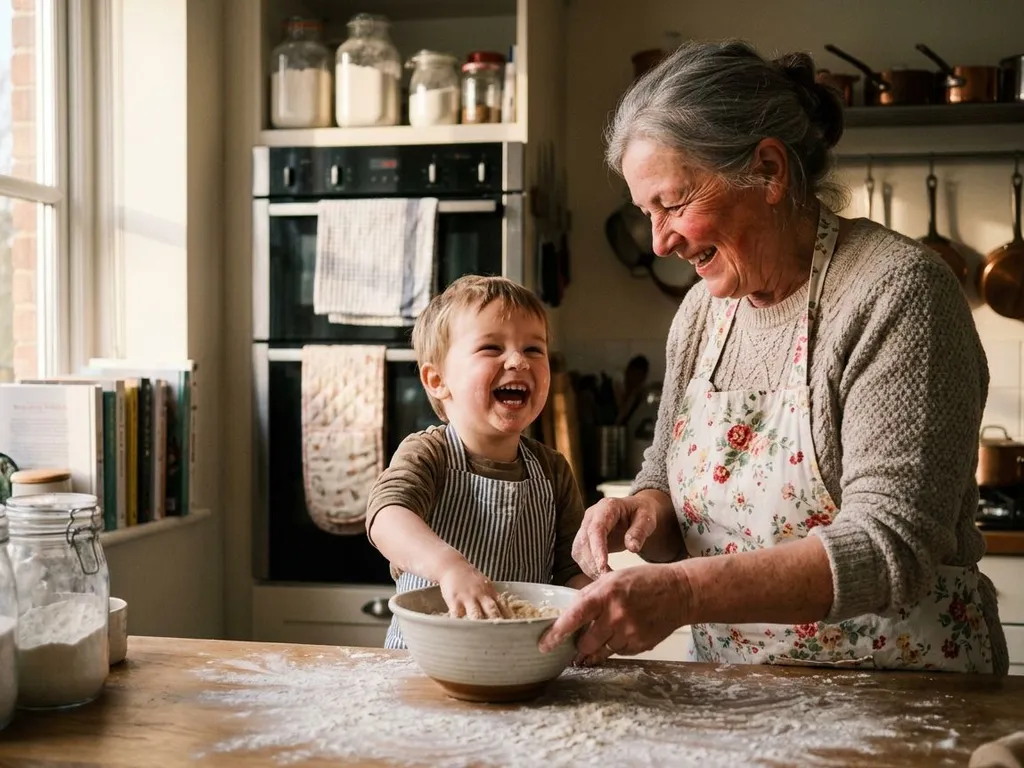
Turning grammar into a game builds fluency fastest. For using this that these those for kids, physical activities work well. One method is the 'Pointing Game.' Sit with your child, take turns pointing to objects near and far, saying sentences like, "This is my cup," and "That is a picture on the wall." Another activity is 'Toy Sort.' Place toys nearby and across the room. Ask, "Can you bring me those cars?" or "Please put these blocks in the box." These fun games to learn English make using this that these those for kids tangible. Repetition through play, not drills, makes language stick. The goal of any game for using this that these those for kids is to make the choice between the four words automatic and intuitive.
Common Mistakes Children Make
It's normal for children to make mistakes when learning. A frequent error in using this that these those for kids is mixing singular and plural, e.g., "these book" instead of "this book." Another issue is confusing near and far, especially for middle-ground objects. The response is gentle correction through modeling. If your child says, "I want that cookies" pointing to a plate in front, respond, "Oh, you want these cookies? Here you go." This corrects without discouraging them. Overcoming these hurdles is part of learning using this that these those for kids. For multilingual children, first language interference can affect progress with using this that these those for kids. Patience and consistent exposure are the solution. Many parents find an English homeschool curriculum for kids provides a structured way to address these errors.
Integrating Demonstratives into Daily Routines
Learning is most effective when woven into everyday life. No special "grammar time" is needed. Instead, focus on using this that these those for kids during activities. At the dinner table: "Is this your water?" or "*That* clock on the wall says it's 6 o'clock." While cleaning: "Please put these toys in the bin, and those books on the shelf." Reading a book offers opportunities. Point to pictures and ask, "What is this?" or "Look at those birds in the sky." Consistent, low-pressure practice makes using this that these those for kids second nature. It transforms a grammar rule into a useful communication tool. Frequent, contextual use is core to kids English speaking practice. The daily routine approach to using this that these those for kids works well.
From Pointing to Speaking: A Developmental Path
Children naturally point before speaking full sentences. Demonstratives are the verbal extension of that gesture. The progression of using this that these those for kids follows a developmental path. First, a child might just point. Then, use the word in isolation: "That!" pointing to a dog. Next, form a phrase: "That dog." Finally, construct a full sentence: "That dog is running." Understanding this progression helps parents set realistic expectations. It's a journey from a non-verbal cue to complex sentence construction. The skill of using this that these those for kids bridges vocabulary and full grammatical sentences. Our interactive English lessons for kids guide children along this path. Encouraging each step in the development of using this that these those for kids builds a foundation for future language skills, including English writing for kids.
Key Takeaways and Next Steps
To summarize the main points:
- Focus on Distance — Master near (this/these) vs. far (that/those).
- Introduce Number — Practice singular (this/that) vs. plural (these/those).
- Use Games & Routines — Integrate practice into play and daily talk.
- Correct Gently — Restate mistakes correctly; avoid direct error pointing.
These steps provide a framework for teaching this grammar. Consistent application builds confident communication.
For reading and phonics support beyond the article examples, Scholastic Parents is a helpful independent resource for parents.
Frequently Asked Questions
At What Age Should My Child Learn This, That, These, and Those?
Most children understand and use these words between ages 2 and 4. Every child develops at their own pace. Start when you notice your child pointing to communicate. This is a natural entry point for using this that these those for kids vocabulary. Focus on comprehension before perfect production.
How Can I Help If My Child Keeps Mixing Them Up?
Consistency and patience are vital. If a child mixes them up, return to basics. Use physical separation. Place one object in hand ('this') and another across the room ('that'). Exaggerate distance. Use games focusing on just two words, e.g., 'this' and 'that', before adding 'these' and 'those'. This simplified approach solidifies concepts.
Is It Okay to Use My Native Language to Explain the Rules?
Yes, especially for beginners. For a child in a multicultural family, using home language to explain 'near/far' or 'one/many' can be effective. This is code-switching, a helpful bridge. Once they understand the logic in their native tongue, they can map English words onto the concept. The goal is understanding, and your home language is a tool for that.
What's the Difference Between 'This Is a Book' and 'This Book'?
This is a good question about the next grammar step. In 'This is a book,' 'this' acts as a pronoun, replacing a noun. In 'This book is red,' 'this' acts as a determiner, modifying 'book.' For young learners, focus on the first structure ('This is a.'). It's the most common, foundational use. As their English for primary school progresses, they will learn the second structure.
These strategies provide a strong starting point for your child's language journey. To see how our expert tutors make learning fun and effective, and give your child the confidence to speak English clearly — book a trial lesson with LearnLink.
Stay updated on our latest tips and resources by following us on Instagram LearnLink.