What Early Years Phonics Covers
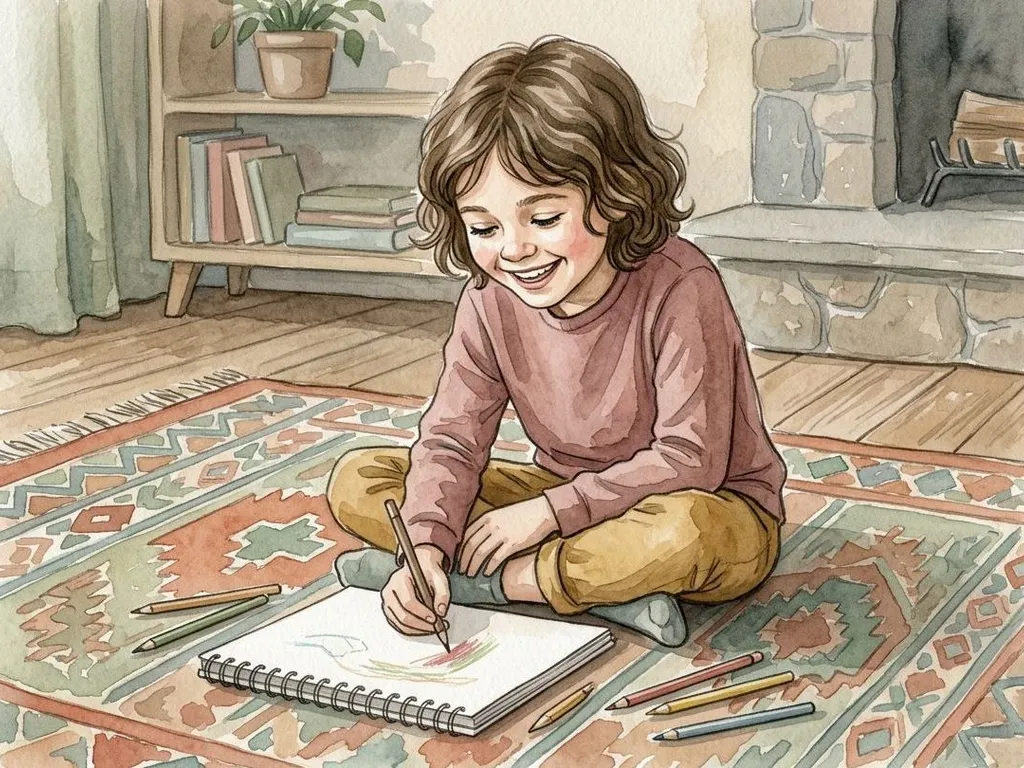
Phonics in the early years teaches children to hear speech as smaller units and match them to print. What phonics for early years kids covers goes beyond “A is for apple.” It includes hearing speech patterns, linking letters to spoken sounds, blending parts to read, segmenting words to spell, and learning tricky words that break the usual pattern. For families, the point is practical: phonics gives children a reading code, and it works with talk, stories, songs, play, and patient practice.
📥 Early Years Phonics Practice
Sound awareness, blending, meaning, and home practice
Leave your email — we'll send the PDF to your inbox.No spam — the PDF plus one short reminder. Unsubscribe anytime.
What Families Need to Know First
Early phonics starts with listening before worksheets. A child may clap syllables in “banana,” hear that “sun” and “sock” start alike, or spot the final unit in “dog.” These listening steps prepare the brain for print.
What phonics for early years kids covers also includes letter-sound links, such as s saying /s/ or m saying /m/. Children then learn that two letters can make one sound, such as sh in “ship” or ch in “chat.” The aim is to help the child use patterns in real reading.
The Main Skills Children Build
Phonics builds three habits. First, children blend units: /c/ /a/ /t/ becomes “cat.” Second, they segment words: “fish” becomes /f/ /i/ /sh/. Third, they map speech to letters when they read and write.
Children meet exception words, sometimes called tricky words, such as “the,” “said,” and “one.” These words need careful teaching. A child can learn the part that works as expected and the part to remember.
How Phonics Fits with Speaking and Meaning
Phonics is not a full English programme by itself. A child may decode “twig” but still need to know what a twig is. Strong early English learning joins phonics with vocabulary, sentence patterns, story talk, and real speaking time.
Across LearnLink lessons, our tutors treat phonics as one tool among several. A 6-year-old might read “shop,” then use it in “I went to the shop.” An older beginner might learn the pattern in “light,” then compare it with “night,” “right,” and “bright.”
Multilingual children may hear English through the speech system they already know. A child who speaks Spanish, Hebrew, French, German, or another home language may need gentle contrast: “ship” and “sheep” need different mouth shapes, not louder correction.
Examples by Age and Stage
Ages are rough guides. A 5-year-old who loves books may be ready for blending short words, while an 8-year-old new to English may need the same base skills. The right level lets the child succeed with support.
For preschool children, phonics often means rhymes, first sounds, alphabet games, and words such as “sat,” “pin,” and “mud.” For school-age kids, it may include digraphs, longer words, and spelling patterns. For older beginners new to English, phonics should feel age-respectful: use direct words, real topics, and short reading tasks that do not look babyish.
How to Use Phonics at Home
Keep home practice short. Five to ten calm minutes often beats a long session with tired faces. Choose one pattern, practise it in three or four words, then meet it in a sentence or book.
What phonics for early years kids covers at home should stay practical: hear the target unit, see the spelling, say the word, read the word, use the word. With sh, your child can say “ship,” read “shop,” write “fish,” then make a sentence: “The fish is small.”
Avoid turning every reading mistake into a test. If your child reads “pin” as “pan,” point to the middle letter and say, “Check the sound in the middle.” This keeps the child thinking, not feeling judged.
Practical Activities That Work
Sound hunts work in any home. Pick a sound, such as /b/, and ask your child to find three things that start with it: bag, book, banana. Older children can search a short text for spelling patterns, such as words with ea.
Word building is strong practice. Use paper letters or tiles to make “sat,” then change one letter to make “sit,” “sip,” and “tip.” Children see that reading is built from small, moveable parts.
Try a Five-minute Phonics Routine
Choose one sound, such as ch. Say three words together: “chair,” “chips,” “lunch.” Ask your child where the pattern comes: start or end. Write the words, underline ch, then read one short sentence: “I had chips for lunch.” Stop while it still feels easy.
Common Mistakes to Avoid
One frequent mistake is teaching letter names before children can hear the sounds. Letter names matter, but “bee” does not help a child blend “bat.” Use /b/ during reading practice, then teach the letter name separately.
Another mistake is moving too fast into long lists. What phonics for early years kids covers should be taught in small sets, with enough review for the pattern to stick. A child who reads “rain” today may need “rain,” “train,” and “paint” again next week.
Avoid worksheets only. Phonics needs the mouth, ears, eyes, and hand. Say it, hear it, build it, write it, read it in a sentence, and return to a real book soon.
When Phonics Feels Hard
Children may take longer to hear separate parts in words, especially young learners or children learning English as an extra language. Slow down and use fewer words. Work with visible mouth movements and repeat practice.
If a child remembers stories but cannot blend short words after steady practice, families may need guidance from a trained teacher or specialist. The goal is not to label the child at home. The goal is to notice patterns early and give the right support.
- Try five minutes of sound blending with ages four to six after breakfast.
- Practice three CVC words daily, tapping each phoneme before saying the word.
- Use one picture book page to spot today's target letter sound.
- Review what phonics for early years kids covers before choosing practice words.
- Celebrate one correct sound or blend, then stop before frustration grows.
When a word has several meanings or pronunciations, Cambridge Dictionary is a useful check before turning it into child-friendly examples.
Frequently Asked Questions
What Age Should Children Start Phonics?
Children are often ready for playful sound work around ages 4-5, but formal reading should not be forced. Start with rhymes, songs, first sounds, and shared books. If your child enjoys noticing that “ball” and “baby” start alike, add basic letter-sound links. If they resist, keep reading aloud and try again later.
Is Phonics Enough to Teach a Child to Read in English?
No. Phonics helps children work out new written words, but reading also needs vocabulary, background knowledge, grammar, attention, and love of stories. A child may sound out “forest” but still need pictures, talk, and examples to understand it. Strong reading grows from code and meaning.
What Phonics for Early Years Kids Covers at Beginner Level?
What phonics for early years kids covers at beginner level includes hearing sounds in words, matching letters to sounds, blending short words, spelling simple words, learning digraphs like sh and ch, and meeting tricky words. Teach it through short tasks, real reading, and spoken English, not only drills.
Should Multilingual Children Learn Phonics Differently?
They may need extra time with English sounds that do not exist in their home language. For example, /th/ in “thin” can be hard for learners. This does not mean the child is behind. It means the pattern needs explicit modelling, mouth-position practice, and kind repeats in real words.
How Can Parents Help Without Using the Wrong Method?
Use short prompts. Say, “Look at the first sound,” “Slide the sounds together,” or “What sound do these two letters make?” Keep sessions short and stop before frustration grows. If your child has a tutor or school programme, ask which sounds they are working on so home practice matches the lesson.
- Try one pattern, then use it in a word and sentence.
- Start with listening, speaking, and shared reading before drills.
- Practise little and often, stopping before frustration.
If your child needs steady speaking practice, start small — choose a trial lesson.
Stay updated on our latest tips and resources by following us on Instagram LearnLink.