English Books for Kids to Read
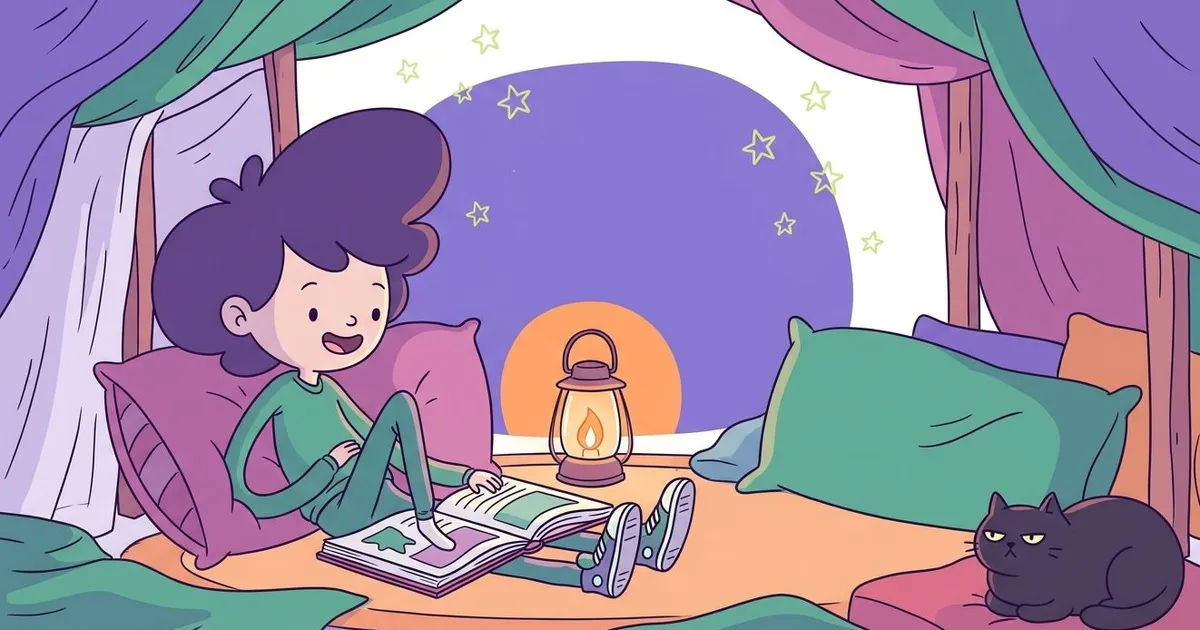
A reading plan starts with 10 to 15 English books for kids to read at the right level, not a shelf that feels too hard. For most children, the right book is one they can understand, enjoy, and finish with help. A 5-year-old may need picture books with repeated lines. A 9-year-old may need short chapters and visual clues. A 13-year-old may need a story that respects their age, even if the English is simple. The aim is steady reading habits, useful words, and confidence.
📥 Reading Time Word Cards
Useful book words and home reading phrases for children ages 4–15
Leave your email — we'll send the PDF to your inbox.No spam — the PDF plus one short reminder. Unsubscribe anytime.
What Families Need to Know Before Choosing Books
English books for kids to read should match two things: your child’s English level and age. These are not always the same. A 10-year-old beginner does not need babyish books. They need short texts with topics that still feel grown enough.
Use the “five-finger check” on one page. If your child finds more than five unknown words, the book is probably too hard for independent reading. It can still work as shared read-aloud, but not as homework that ends in tears.
For children who speak two or three languages, English reading may grow unevenly. They may understand the story but read slowly, or decode words yet miss jokes and feelings. That is normal. Choose books that give success first, then stretch.
How to Judge the Right Level
Think in three bands: easy, guided, and stretch. Easy books build fluency. Your child reads most of the page alone. Guided books need an adult nearby for new words or longer sentences. Stretch books work as read-alouds, one page at a time.
The mix changes by age. A 6-year-old may need easy picture books and one guided book each week. A 12-year-old may prefer one guided chapter book plus short articles, comics, or graded readers on chosen topics.
Examples by Age
For ages 4 to 6, start with picture books, alphabet books, rhyming books, and stories with repeated lines. Children learn from sound, rhythm, and pictures. One repeated sentence can teach more than a long story packed with new words.
For ages 7 to 9, look for early readers, funny short stories, simple nonfiction, and chapters of two to six pages. Children in this group often like animals, school life, sport, space, inventions, jokes, and family stories.
For ages 10 to 15, avoid choosing only by English level. Older beginners still need age-respectful topics: mystery, friendship, science, sport, biographies, adventure, or graphic novels. Graded readers help because they control language while keeping suitable themes.
Book Types That Work Well at Home
Picture books are not only for preschool children. They help older beginners because pictures carry meaning when English is new. A child can learn words like “whisper,” “muddy,” “brave,” or “worried” without a long grammar explanation.
Comics and graphic novels build reading stamina. Speech bubbles are short, pictures show action, and children see natural phrases such as “Wait for me,” “What happened?” and “I’m not sure.” This makes comics useful English books for kids to read when full pages feel heavy.
Nonfiction works for children who do not love stories. Books about animals, football, planets, cooking, trains, art, or the human body give facts and repeated topic words. A child who cares about sharks may read more English from one shark book than from three polite stories chosen by adults.
How to Use Books Without Turning Reading into a Test
Set a small routine. Ten calm minutes, four days a week, beats one long Sunday session. Sit close enough to share the page. Let your child point, guess, ask, and reread. If they stop at every word, the book is too hard for solo reading.
Use a pattern: look, read, talk. Look at the cover and pictures. Read a short part. Then ask one real question: “Why did she hide?” “What would you do?” “Which page was funny?” Meaning matters more than pronunciation alone.
When families ask for English books for kids to read, we guide them toward books that work twice. The first reading is for the story. The second is for language: verbs, feelings, places, or short phrases your child can use in speech.
Practice: The Three-page Reading Check
Choose any book and read three pages with your child. After each page, ask one question: “Who is on this page?”, “What happened?”, and “Which word is new?” If your child can answer two of the three without stress, the book is a good guided choice.
Practical Activities After Reading
Keep follow-up tasks short. A child does not need a worksheet after every book. One task is enough: draw a new cover, choose three favorite words, act out one scene, or tell the story in five sentences. The task should help your child use English, not prove endurance.
For younger children, use movement. Say three words from the book and ask your child to touch the picture, mime the action, or bring a matching object from the room. For older children, offer choice: write a text message from one character, make a new ending, or rank three characters by courage.
A reading notebook can help, but keep it light. Use four columns: title, new words, favorite page, and one sentence about the book. Over time, it proves your child can finish English books for kids to read and remember what matters.
Practice: Make Five Useful Sentences
After reading, choose five words from the book. Ask your child to make one sentence with each word. Example: “forest” becomes “The fox runs in the forest.” For older children, ask for longer sentences with because, but, or when.
When a Child Is Preparing for a Level Test or Exam
Some families choose books because they are thinking about A1, A2, or B1, or because a child may later take a Cambridge English exam. Reading supports that path, but a general English course is not exam training. Books build vocabulary, grammar patterns, and stamina; test practice has its own format and timing.
For a young learner near A1, choose books with daily routines, family, food, animals, school, colors, numbers, and simple past actions. For a child moving toward A2, add longer stories, simple mysteries, weather, travel, hobbies, and opinion phrases such as “I think,” “I prefer,” and “because.”
If an exam is in view, start reading early. Three to six months gives a child time to meet common topics without pressure. In LearnLink lessons, tutors use reading as part of broader language growth for ages 4 to 15, with speaking, listening, and writing around it.
How LearnLink Lessons Can Support Reading
At home, parents can choose books and protect the reading habit. In lessons, a tutor can notice what is harder to see from the sofa: guessing from pictures only, skipping endings, missing past tense, or reading words correctly without understanding the sentence.
Across LearnLink lessons, reading is linked to speech. A child may read a short story, answer questions, retell one part, learn two or three useful phrases, and then use those phrases in a game or conversation. This helps English books for kids to read become language your child can use.
For first-time online learners, structure matters. Children need warmth, clear steps, and tasks that end before attention drops. A 25-minute lesson may suit younger learners or new starters; a 50-minute lesson may suit older children who can work longer with support.
For reading and phonics support beyond the article examples, Scholastic Parents is a helpful independent resource for parents.
Frequently Asked Questions
How Many English Books Should My Child Read Each Month?
For most children, two to four short books a month is a sound start. Younger children may reread the same picture book many times, and that still counts. Older children may finish one chapter book over several weeks. The better question is whether your child reads often, understands the main idea, and wants to open the next book.
What If My Child Understands the Story but Reads Very Slowly?
Slow reading is common when a child learns English as an extra language. Do not rush every line. Read one page aloud first, then let your child read the same page. Choose easier books for independent practice and keep harder books for shared reading. Speed grows from repeated success, not pressure.
Are Translated Books a Good Choice?
They can be useful if your child already loves the story. Familiar characters and plots reduce the load, so your child can focus on English words and sentences. Still, add books first written for English-speaking children too. These often give natural everyday phrases, jokes, and classroom language.
Should We Use Audiobooks with Printed Books?
Yes, if the audio is clear and not too fast. Audiobooks help children hear rhythm, stress, and sentence flow. Ask your child to follow the words with a finger for one short section, then listen again with the book closed. This supports pronunciation and meaning.
What Are the Best English Books for Kids to Read Before Lessons?
The best English books for kids to read before lessons are short enough to finish and rich enough to discuss. Pick a book with clear pictures or chapters, a topic your child likes, and only a few hard words per page. Bring one page, one question, or three new words into the lesson if the tutor asks for reading practice.
Want to see how these ideas work in a real lesson — try a free LearnLink lesson.
Stay updated on our latest tips and resources by following us on Instagram LearnLink.