Adding Ing to Verbs for Kids

Adding -ing changes a verb to show action in progress: run → running, make → making, play → playing. For children, adding ing to verbs for kids may look easy: add three letters. The challenge is spelling. A child may write “runing,” “makeing,” or “swiming” because the sound changes little. This guide gives parents a direct way to explain the rule, practise it, and spot patterns that help children write with confidence.
📥 Adding Ing to Verbs for Kids
20 verb patterns, 4 practice tasks, and a weekly tracker
Leave your email — we'll send the PDF to your inbox.No spam — the PDF plus one short reminder. Unsubscribe anytime.
What Children Need to Understand First
Children need to see that -ing changes how a verb works in a sentence. The base verb names the action: jump, read, draw. The -ing form often shows the action happening now: jumping, reading, drawing.
In speech, children use -ing forms before they can spell them. A 5-year-old may say “I am playing” without knowing the rule. Older children can name the pattern: take a verb, check the ending, then add -ing correctly.
When teaching adding ing to verbs for kids, start with meaning before spelling. Use actions the child can act out: clap, sit, run, smile, dance. Then write the words and ask, “What is happening now?”
How the Grammar Works

The -ing form appears in several English patterns. Children often meet the present continuous first: I am reading. She is drawing. They are playing. This form uses am, is, or are plus the -ing verb.
Children see -ing after verbs such as like, love, enjoy, and stop: I like swimming. He enjoys painting. In these sentences, the -ing word names an activity, not only an action happening now.
For younger learners, keep the first rule direct: -ing often means the action is active or ongoing. Across LearnLink lessons, our tutors connect grammar to short spoken sentences before writing, because children need to hear the form before spelling feels natural.
The Main Spelling Rules
Most verbs take -ing with no spelling change: play → playing, read → reading, help → helping, look → looking. Teach this group first because the base word stays whole.
Some verbs need a spelling change. If the verb ends in silent e, drop the e before adding -ing: make → making, write → writing, smile → smiling. If a short one-syllable verb ends consonant-vowel-consonant, double the last consonant: run → running, sit → sitting, hop → hopping.
A table helps children compare the rule, spelling step, and finished word. This is often the strongest way to teach adding ing to verbs for kids because the child sees that English spelling follows patterns, even when it feels tricky.
Rules and Examples by Learner Age
For school-age kids, use movement and short phrases. Say “jump,” then “jumping,” while the child jumps. Keep writing light: one word at a time, large letters, no long explanation. Link sound, meaning, and action.
For school-age kids, children can sort verbs into groups. Give cards such as play, make, sit, ride, hop, and draw. Ask them to place each card under “just add -ing,” “drop e,” or “double the last letter.” This makes adding ing to verbs for kids feel like pattern spotting, not memorising.
For school-age kids, add sentence work. Ask learners to change “She writes a story” into “She is writing a story,” or “They play tennis” into “They are playing tennis.” Older children benefit from noticing that -ing is not a tense by itself: “reading” needs other words to make a full sentence.
Common Mistakes and How to Fix Them
The most common mistake is keeping silent e: makeing, writeing, danceing. A quick check helps: if the final e is silent, cross it out before adding -ing. Children can say, “make loses e: making.”
Another common mistake is forgetting to double the final consonant in short words: runing, siting, stoping. Teach the child to listen for a short vowel sound and look for the consonant-vowel-consonant pattern. Not every long word follows this rule, so keep early examples short.
Some children add an extra e because they expect English words to stay neat: playeing or goe ing. This means they are applying one rule everywhere. Instead of saying “wrong,” ask, “Which rule does this verb need?” That question builds the habit behind adding ing to verbs for kids.
Practice Activities
Short practice beats long worksheets. Five focused minutes can be enough for a young learner, especially if the words are familiar and the child says each answer aloud. Use adding ing to verbs for kids practice in small sets.
Mix spoken and written tasks. A child who can say “I am running” may still need practice spelling running. A child who can spell the word may still need help using it in a sentence.
Practice 1: Add -ing
Change each verb into its -ing form: play, read, make, run, sit, smile, swim, write. Answers: playing, reading, making, running, sitting, smiling, swimming, writing.
Practice 2: Complete the Sentence
Fill the gap with am, is, or are plus the -ing verb: I ___ ___ a picture. She ___ ___ a song. They ___ ___ in the park. Possible answers: I am drawing a picture. She is singing a song. They are playing in the park.
Practice 3: Fix the Spelling
Correct these words: makeing, runing, writeing, stoping, lieing. Answers: making, running, writing, stopping, lying.
A Simple Teaching Routine
Begin with three easy verbs that do not change spelling: play, read, draw. Ask the child to act, say, and write each -ing form. Then add one silent e verb, such as make, and one doubling verb, such as run.
Next, place the words in full sentences. “I am drawing.” “He is making a cake.” “They are running.” Children need this step because spelling a word and using grammar in a sentence are separate skills.
End with a quick check instead of a long test. Ask the child to explain one rule in their own words. When adding ing to verbs for kids becomes a spoken routine, children are more likely to use it in independent writing.
When to Move Beyond the Basic Rule
Once children can spell common -ing forms, show them that -ing appears in different parts of English. It can follow prepositions: after eating, before sleeping, without talking. It can name an activity: Swimming is fun. Reading helps me relax.
Do not rush this step with younger children. For many learners school-age kids, the main goal is to use present continuous sentences correctly and spell the most common forms. Older children can compare “I swim every day” with “I am swimming now.”
This wider view prevents a common misunderstanding: -ing is not always “the present tense.” It is a verb form that works with other words. That is why adding ing to verbs for kids should be taught through sentences, not only word lists.
- Try five irregular verbs after your child masters ten regular -ing examples.
- Practice dropping silent e with make, take, write, and ride today.
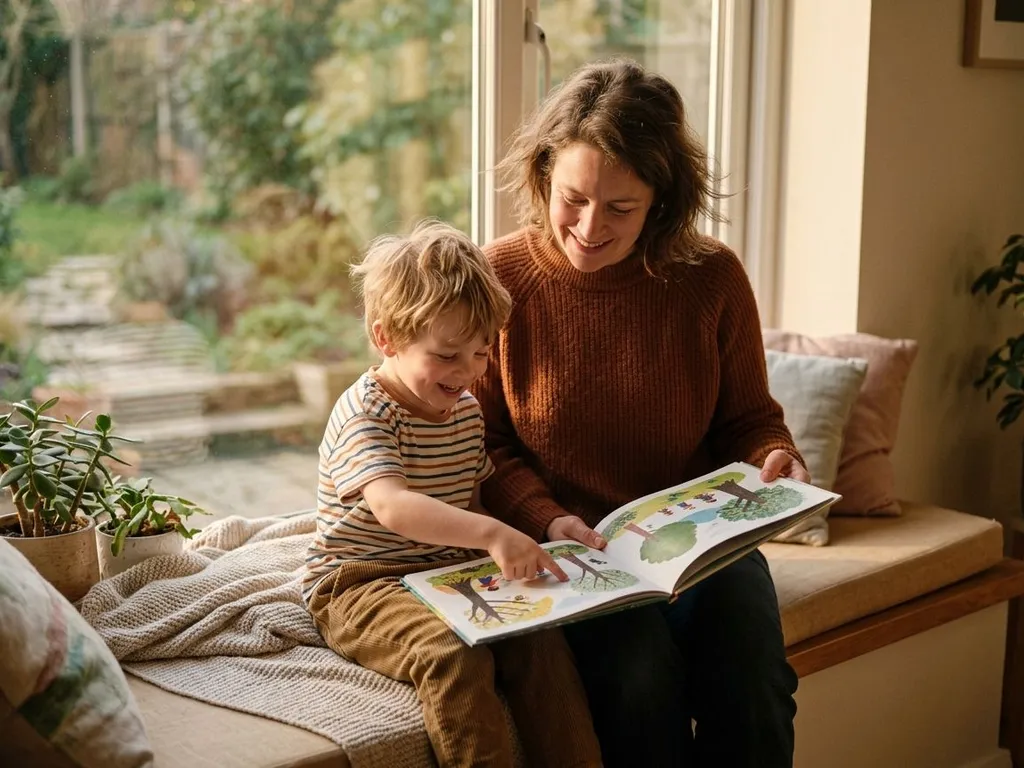
- Use one picture book to spot -ing verbs on every page.
- Compare running, swimming, and sitting to show doubled consonants clearly.
- Ask your child to write three silly -ing sentences aloud.
For the rule wording, Wikipedia — English Grammar is a useful reference while the practice examples here stay adapted for children.
Frequently Asked Questions
What Is the Easiest Way to Explain -ing to a Child?
Start with action. Say the base verb first: jump. Then show the action happening now: jumping. Use a full sentence: “You are jumping.” After that, write the word. This order helps children connect meaning, speech, and spelling instead of treating -ing as three letters to memorise.
Why Do We Drop the E in Making and Writing?
In many verbs that end with a silent e, English drops the e before adding -ing. That is why make becomes making and write becomes writing. The sound of the base word stays, but the spelling changes. Children often learn this best by crossing out the silent e with a pencil before writing the new word.
When Should My Child Double the Last Letter?
A child should double the last consonant in many short verbs that end consonant-vowel-consonant, such as run, sit, hop, and stop. These become running, sitting, hopping, and stopping. Keep the first examples short and clear. Longer words have more patterns, so build the rule slowly.
Is Adding -ing to Verbs for Kids the Same as Learning Present Continuous?
They are closely linked, but not the same. Adding ing to verbs for kids teaches the spelling of forms such as playing, making, and running. Present continuous teaches the full sentence pattern: am, is, or are plus the -ing verb. A child needs both skills to write sentences like “She is reading.”
How Much Practice Does a Child Need?
Most children do better with short, repeated practice than with one long grammar session. Use five to ten verbs at a time, then place two or three of them in sentences. If your child makes the same mistake often, return to one rule only, such as silent e, before mixing all the patterns again.
If your child needs steady speaking practice, start small — choose a trial lesson.
Stay updated on our latest tips and resources by following us on Instagram LearnLink.