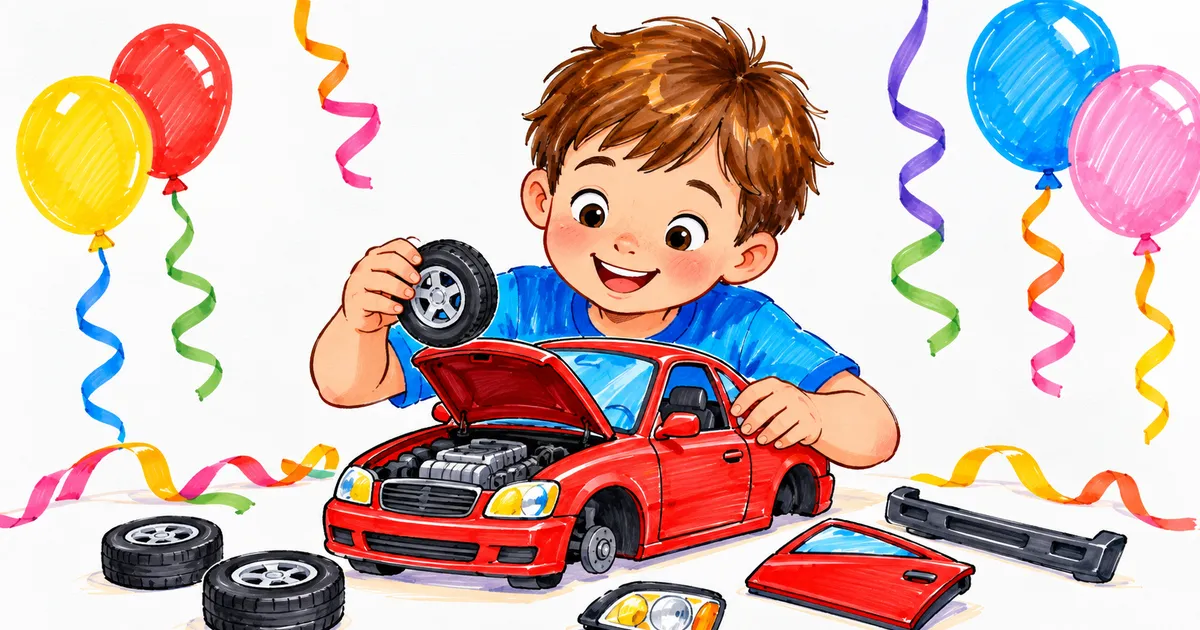
Benefits of Learning English for Kids
Benefits of learning English for kids include wider communication, school readiness, and confidence with study, travel, media, and friendships. For ages 4-15, English is more than a school subject. It becomes a tool for asking in a game, reading a science page, joining an online lesson, or understanding a song. Progress comes when families treat English as a steady habit, with goals, kind correction, and practice in real tasks.
📥 English Confidence Phrase Cards
A printable set of simple words and phrases kids can use at home, at school, and in everyday conversations.
Leave your email — we'll send the PDF to your inbox.No spam — the PDF plus one short reminder. Unsubscribe anytime.
What Families Need to Know First
English helps children when words carry meaning. A 6-year-old may remember “Can I have water?” faster than ten drink words, because the phrase solves a real problem. An 11-year-old may learn faster through a compact project about space, sport, or animals, because vocabulary sits inside a subject they care about.
Benefits of learning English for kids are strongest when lessons build speaking, listening, reading, and writing together. Speaking alone can leave spelling gaps. Worksheets alone can make a child quiet. A balanced plan gives the child language to hear, say, read, and use.
How English Supports School Learning and Thinking Skills
English gives children access to books, videos, websites, school materials, and later exam resources. A child does not need adult-style study. They can meet English through stories, facts, songs, projects, and guided talk that fits their age.
For multilingual families, English can strengthen language awareness. A child who speaks two languages often notices word order, sounds, endings, and polite forms. Across LearnLink lessons, children progress more when parents value all home languages instead of treating English as a replacement.
How to Use English at Home Without Pressure
Home practice works in small blocks. Ten focused minutes can beat an hour of tired revision. Choose one task: read one page, name five objects, answer three questions, or record a brief voice message about the day.
Parents do not need perfect English. Set the routine, listen with interest, and ask your child to show what they know. Benefits of learning English for kids grow when children feel safe making mistakes and trying again.
Examples by Age
For school-age kids, use movement and choice. Say “touch the red car,” “jump three times,” or “choose the big apple.” Keep correction light. If the child says “red car big,” answer: “Yes, the red car is big.”
For school-age kids, build simple answers into longer ones. If your child says “dog,” guide them toward “The dog is under the table.” Connect English to interests: a recipe, a football report, a book review, a science fact, or a quick message to a friend.
Practical Activities for Real-Life Use
Start with language your child can use today. At breakfast, practise “Can I have…?” In the car, name colours and places. Before bed, ask: “What was easy today?” and “What was hard?” Older children can write a three-sentence English journal twice a week.
Benefits of learning English for kids include confidence in starting. A child who can ask, answer, and repair a mistake learns that communication does not need perfection. That school skill reaches beyond language.
Practice: Make the Sentence Longer
Ask your child to expand each answer by adding one detail. Example: “I like pizza” becomes “I like pizza because it is warm and cheesy.” Try these: “I have a dog.” “She is happy.” “We went to the park.” “This book is funny.”
What About Levels and Exams?
Parents may hear terms such as pre-A1, A1, A2, or Cambridge Young Learners. These labels show stage, but should not become the whole aim. A young learner can know words and still need time to speak freely. Another child may speak well but need reading accuracy.
If an exam is coming, prepare with calm structure: sample task types, listening practice, reading habits, and concise writing. LearnLink teaches general English for children aged 4-15, so exam-style tasks should be practice context, not a promised result.
How Parents Can Track Progress
Look for visible signs. Can your child answer faster? Do they use a new phrase without being asked? Can they understand a quick video, read a paragraph, or write a message with fewer prompts? These signs matter more than a long word list.
Keep a monthly note with three lines: new words, new sentences, and one next step. Benefits of learning English for kids become easier to see. The note helps tutors choose tasks that are neither too easy nor too hard.
Practice: Family Question Round
Choose one topic, such as food, animals, school, or hobbies. Each person asks one English question and gives one full answer. Help younger children with sentence frames: “I like…” “I can…” “My favourite…” Older children should add a reason using “because.”
- Track five new words weekly in a notebook with dates and examples.
- Read one graded reader together for ages 6-8 each Sunday.
- Record a one-minute speaking sample monthly and compare pronunciation progress.
- Practice ten picture cards daily using the look, cover, say technique.
- Use a simple reward chart for completed listening, reading, and speaking tasks.
When a word has several meanings or pronunciations, Cambridge Dictionary is a useful check before turning it into child-friendly examples.
Frequently Asked Questions
What Age Should a Child Start Learning English?
A child can start hearing and using English from age 4, if learning is playful and brief. Older children can start well too, especially when lessons match interests and school needs. The key is not the earliest start, but steady practice that fits age, attention span, and confidence.
How Long Does It Take to See Progress?
Families may notice small changes within weeks: a child remembers greetings, follows instructions, or answers with a short phrase. Stronger progress usually needs months of regular practice. Benefits of learning English for kids build through repeated use, so a child who practises several times a week often grows more steadily than one who studies only before a test.
Should Parents Correct Every Mistake?
No. Correct the mistake that blocks meaning or matches the lesson goal. If your child is telling a story, let them finish first. Then choose one sentence to improve together. Constant correction can reduce speech. Use this pattern: listen, praise effort, repeat the correct version, and ask the child to try once more.
Can Online Lessons Work for Young Children?
Yes, when the lesson is active, visual, and age-appropriate. Young children need changing tasks: pictures, songs, actions, short answers, and routines. Older children need speaking time, reading, writing, and feedback. For first-time online learners, a calm trial lesson can show whether the format suits the child.
How Can We Keep English Going Between Lessons?
Use English in small family routines. Put five phrases on the fridge. Read one page together. Let your child teach you three new words. Watch an age-appropriate clip and ask what happened. Regular, low-pressure contact helps English feel normal, one of the lasting Benefits of learning English for kids.
Want to see how these ideas work in a real lesson — try a free LearnLink lesson.
Stay updated on our latest tips and resources by following us on Instagram LearnLink.