Multimodal Literacy for Kids

Multimodal literacy means reading, listening, watching, speaking, and making meaning through words, images, sound, gesture, and digital tools. Beyond Books: Future-Proofing Your Child's English with Multimodal Literacy does not replace stories or handwriting. It helps children use English in forms they already meet: picture books, cartoons, maps, voice notes, games, video calls, captions, diagrams, and classroom tasks. For ages 4-15, the aim is steady growth: understand the message, notice the language, respond with confidence, and know when to slow down and check meaning.
📥 Multimodal English Starter Cards
A printable vocabulary set to help children notice, name, and use English across pictures, sounds, movement, and text.
Leave your email — we'll send the PDF to your inbox.No spam — the PDF plus one short reminder. Unsubscribe anytime.
What Families Need to Know
Books still matter. They give children rich words, story shape, and quiet time with language. But English now reaches children through several channels at once. A child may hear a sentence in a video, read a caption, follow a picture, and answer aloud within ten seconds.
That is why Beyond Books: Future-Proofing Your Child's English with Multimodal Literacy helps families. It treats English as communication, not pages to decode. Children learn to ask: What do the words say? What does the picture add? What does the speaker's voice show? What should I say or do next?
Why Multimodal Literacy Builds Stronger English
Young learners often understand more than they can say. Images, sound, movement, and context give them a bridge into English without long explanations. A 5-year-old can point to a sad face and say “sad.” A 9-year-old can compare two posters. A 13-year-old can explain why a short video feels persuasive.
This supports lessons and daily life. Children follow instructions, interpret icons, listen to classmates, join online lessons, and use school platforms. Across LearnLink lessons, our tutors can use spoken prompts, images, text, drawing, and short tasks so a child meets English from more than one angle.
What Counts as Multimodal Literacy in English

Multimodal English can start with familiar tasks. A picture book with repeated phrases is multimodal because the child reads words and pictures. A cooking video is multimodal because the child hears verbs, sees actions, follows sequence words, and may name kitchen tools.
Older children can work with subtitles, infographics, short news clips for young readers, comics, maps, game instructions, slide decks, and school project briefs. The focus is not screen time. The focus is guided meaning. Beyond Books: Future-Proofing Your Child's English with Multimodal Literacy works best when an adult helps the child notice language and respond.
How to Use This at Home
Start with one small routine. Choose a short English cartoon, picture book, song, recipe, game screen, or poster. Before your child begins, name three target words. During the activity, pause once or twice. Afterward, ask for one spoken sentence, one drawing, or one choice with a reason.
Keep the task short enough to finish. A 6-year-old may need five minutes. A 10-year-old may manage fifteen. A teenager may compare two sources, such as a video and an article on the same subject. Beyond Books: Future-Proofing Your Child's English with Multimodal Literacy should feel like guided practice, not a test hidden inside family time.
Examples by Age
For school-age kids, use picture-led language. Ask the child to point, match, repeat, act, and choose. Strong tasks include naming animals in a story, copying a short chant, sorting picture cards by color, or acting out “open,” “close,” “jump,” and “sleep.” At this age, a correct gesture may come before a full sentence.
For school-age kids, connect words to reasons. Children can label a comic strip, retell a short video in three steps, compare two characters, or make a poster with five English words. They can also notice grammar in context: “He is running” in a picture feels clearer than a rule alone.
For school-age kids, raise the thinking level. Ask them to compare a chart and a paragraph, explain how music changes a scene, check whether a headline matches a video, or prepare a short slide with spoken notes. They still need support, but they can learn to judge tone, purpose, and source quality in English.
Practical Activities for the Week
Use a weekly mix so English does not stay in one corner. One day can be story day. Another can be listening day. Another can be make-and-say day, where the child draws, builds, cooks, records, or presents something in English.
Try the “three-mode rule.” Each activity should use at least three of these: words, image, sound, movement, and choice. After a short animal video, your child can read three animal names, copy one sound word, act out one animal, and say, “I like the fox because it is quick.”
Try This: One Picture, Three Sentences
Choose one clear picture from a book, museum site, family photo, or child-safe image search. Ask your child to say one sentence about what they see, one about what someone feels, and one about what may happen next. Younger children can use frames: “I see…”, “She feels…”, “Next, they will…”. Older children can add “because”.
How to Choose Good Materials
Good material is clear, age-fit, and worth discussing. Avoid clips or games where speech moves too fast, noise covers the words, or the child only taps without thinking. A strong resource gives the child something to notice, repeat, sort, explain, or create.
Look for clean sound, visible context, and language your child can almost reach. If every word is new, the task becomes guessing. If everything is easy, growth slows. Beyond Books: Future-Proofing Your Child's English with Multimodal Literacy works in the middle zone: familiar enough to understand, new enough to stretch.
Common Mistakes to Avoid
The first mistake is counting English exposure as learning. A child can watch a long video and remember little language. Shorter, guided use is stronger: preview three words, pause for one question, and ask for a response at the end.
The second mistake is demanding perfect output too soon. Multimodal work lets children show partial understanding. They may point, choose, draw, repeat one phrase, or answer with a single word before they can explain. Build from that. Accuracy grows when meaning is secure.
- Try one picture book and one audio retelling with your 6-year-old today.
- Ask your child to explain three images before reading the page aloud.
- Use a five-minute video clip to compare sounds, gestures, and words.
- Practice pausing after each page to predict what might happen next.
- Choose one app task that supports Beyond Books: Future-Proofing Your Child's English with Multimodal Literacy.
For reading and phonics support beyond the article examples, Scholastic Parents is a helpful independent resource for parents.
Frequently Asked Questions
Does Multimodal Literacy Mean More Screen Time?
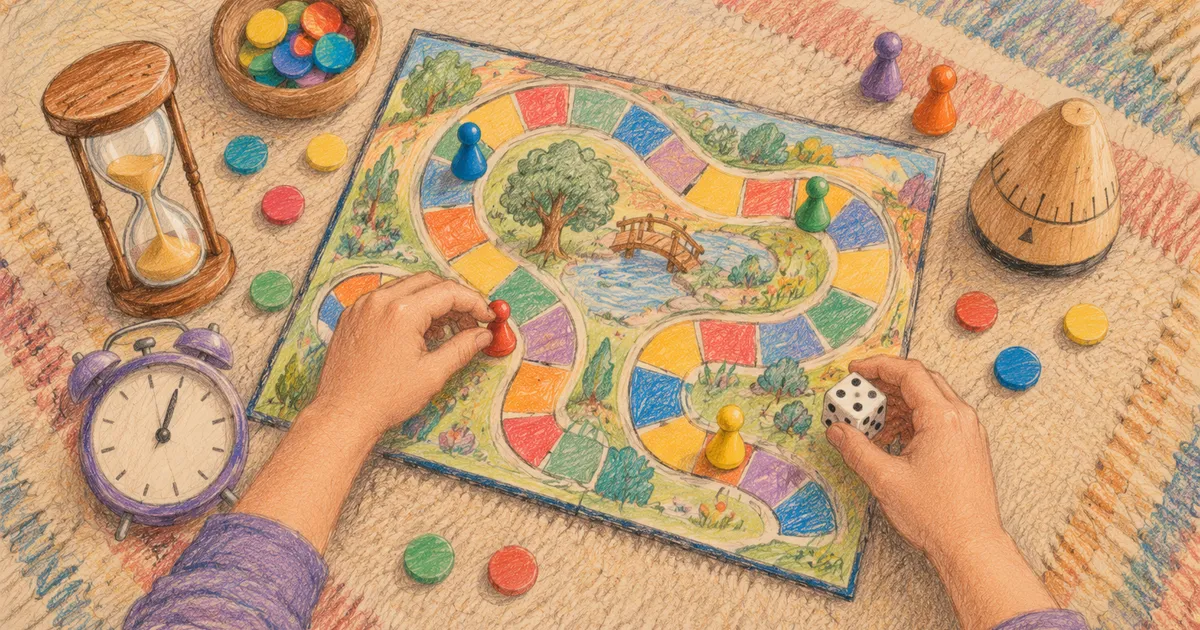
No. Multimodal literacy means using more than one form of meaning, not placing a child in front of a screen. A paper map, a song, a comic, a board game, a recipe, and a picture book count. Screens can help when they are short, guided, and tied to a task.
Can This Help a Child Who Is Shy About Speaking English?
Yes, because the child can start with pointing, matching, drawing, or choosing before speaking. This lowers pressure while building meaning. Then you can add a short sentence frame, such as “I can see…” or “I think… because…”. Shy learners often speak more when the task gives them something concrete to discuss.
How Often Should We Practise at Home?
Three short sessions a week can be enough for a steady routine. Aim for 10-20 minutes, depending on age and attention. Keep one goal: five new words, one retold scene, one labelled drawing, or one spoken opinion. Regular small tasks are easier to sustain than rare long sessions.
What If My Child Already Speaks Two or Three Languages?
That can be a strength. Multilingual children often notice patterns, sounds, and meaning across languages. Keep English practice calm and focused. Compare words when it helps, but do not turn every task into translation. Let your child use pictures, actions, and context to understand English directly.
Why Is Beyond Books: Future-Proofing Your Child's English with Multimodal Literacy Useful for School?
School tasks often mix reading, listening, images, and explanation. A child may need to read a paragraph, study a diagram, listen to a teacher, and answer in speech or writing. Beyond Books: Future-Proofing Your Child's English with Multimodal Literacy prepares children for that mix by teaching them to gather clues, check meaning, and respond in clear English.
Start your child's English journey today — book a trial lesson with LearnLink.
Stay updated on our latest tips and resources by following us on Instagram LearnLink.