30 Feeling Words for Kids Beyond Happy
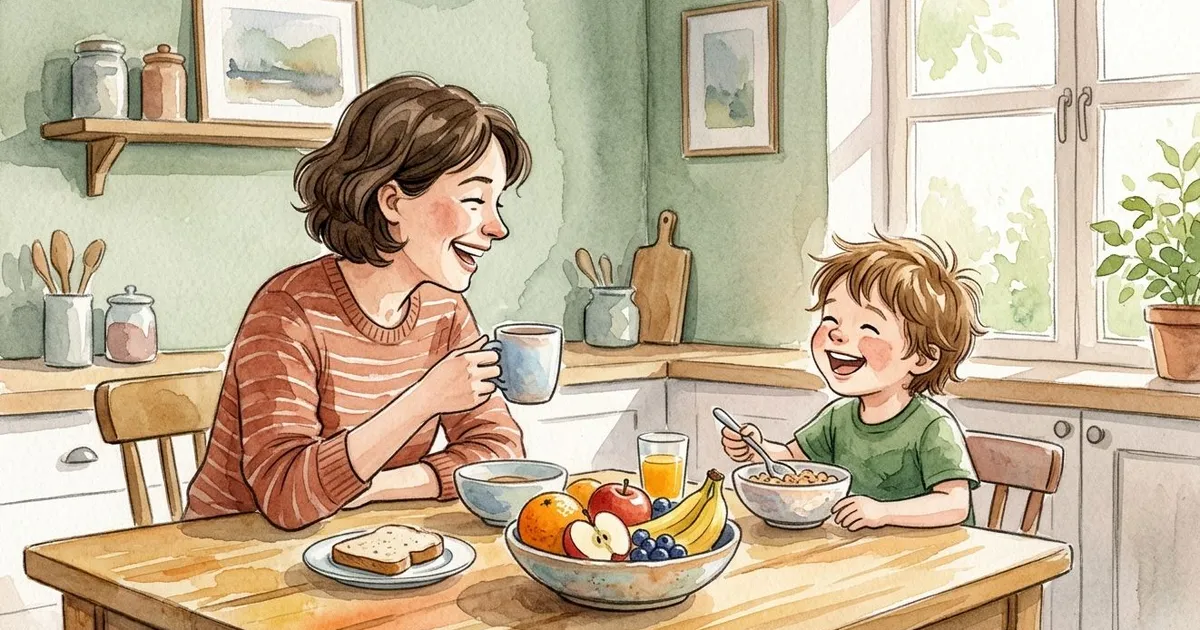
Children aged 4 to 15 can learn feelings vocabulary step by step: first by naming basic emotions, then by choosing more precise words for real situations. A diverse lexicon supports self-regulation and social understanding. Visual cues help learners connect facial expressions, body language, and context with accurate English descriptors. This is the practical aim of mastering feelings beyond happy and sad.
📥 Feelings Beyond Happy and Sad
A printable emotion vocabulary pack for children to name, show, and use feelings in real sentences.
Leave your email — we'll send the PDF to your inbox.No spam — the PDF plus one short reminder. Unsubscribe anytime.
Limitations of Passive Media Exposure
Passive media can introduce sounds and expressions, but it rarely checks whether a child uses a word correctly. Cartoons for learning English may show emotion cues; guided practice turns those cues into speech. Mastering feelings beyond happy and sad requires moving beyond the 100 most common English vocabulary words for kids into a focused emotional vocabulary. Children need chances to say the words in different social contexts.
For preschool kids, a useful follow-up is a short “notice, name, explain” routine after a scene. The teacher pauses on a character’s face, asks what the child notices, offers two possible labels such as worried or disappointed, and then prompts a reason: “She looks worried because she cannot find her bag.” This keeps the word attached to evidence, not just a memorized translation. For parents, Mastering Feelings: Beyond 'Happy' and 'Sad' works best when practice is short, visual, and repeated every week.
A common mistake is treating every negative feeling as sad or angry. Passive viewing often reinforces this because the story moves on before children compare similar emotions. Guided practice can slow the moment down with three contrast pairs per lesson, such as nervous versus scared, proud versus excited, and frustrated versus bored. Children then place each word into a sentence about school, play, or family routines. The goal is not to list many labels at once, but to help children choose the most accurate word when the situation changes.
Visual Signifiers in Vocabulary Acquisition
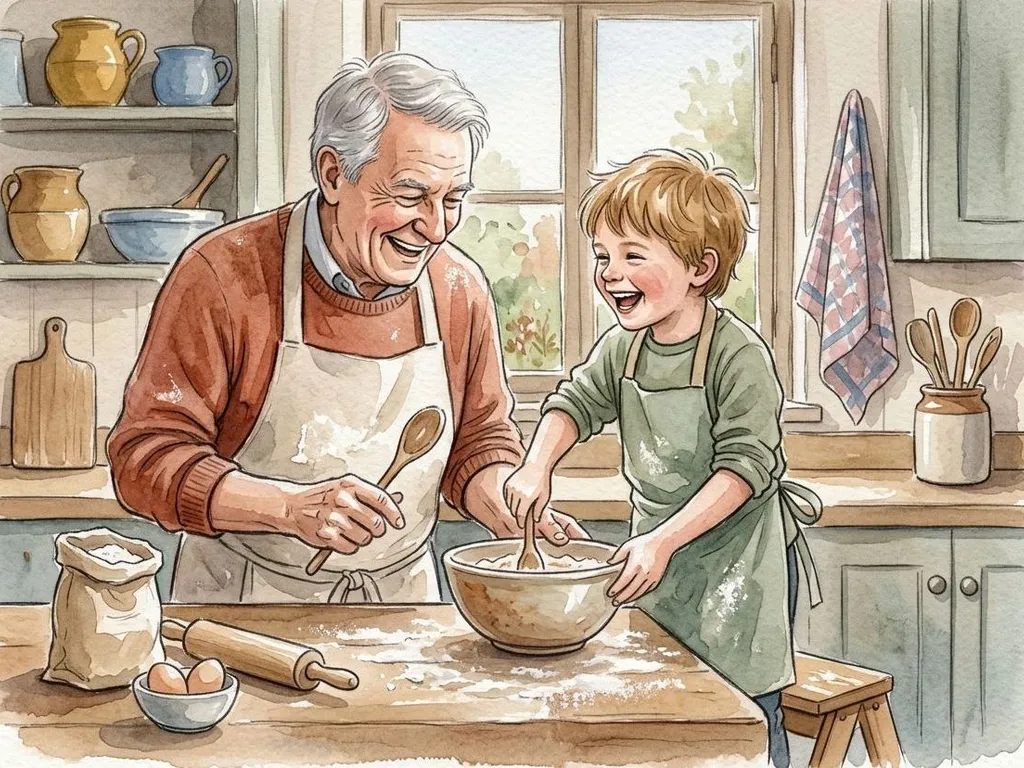
Start with these core words and short examples before adding more specific vocabulary. The phrase "Mastering Feelings: Beyond 'Happy' and 'Sad'" becomes easier to remember when children hear it in a clear example and use it straight away.
| Word | Example |
|---|---|
| happy | I feel happy when I play. |
| sad | She feels sad today. |
| angry | He is angry about the broken toy. |
| scared | The child is scared of thunder. |
| tired | I am tired after running. |
| excited | They are excited for the trip. |
| calm | I feel calm after quiet reading. |
| proud | She feels proud of her drawing. |
| shy | He feels shy in a new class. |
| nervous | I feel nervous before a test. |
| surprised | They are surprised by the gift. |
| bored | She feels bored during the long wait. |
| confused | He feels confused by the instructions. |
| curious | I feel curious about the new game. |
| lonely | She feels lonely when no one plays. |
| relieved | He feels relieved when the problem is solved. |
| worried | I feel worried about being late. |
| embarrassed | She feels embarrassed after spilling juice. |
| jealous | He feels jealous when his friend gets a turn first. |
| grateful | I feel grateful for your help. |
| hopeful | They feel hopeful before the match. |
| disappointed | She feels disappointed when the trip is canceled. |
| frustrated | He feels frustrated with the hard puzzle. |
| peaceful | I feel peaceful by the window. |
| playful | The child feels playful after lunch. |
| amazed | They are amazed by the magic trick. |
| thoughtful | She feels thoughtful after the story. |
| brave | He feels brave when he tries again. |
| guilty | I feel guilty when I forget to share. |
| content | She feels content after finishing her book. |
Emojis act as visual signifiers that simplify the identification of human emotions. These symbols link facial expression with specific vocabulary. Precise naming reduces the habit of saying only "good" or "bad." Guided instruction supports clearer communication and stronger emotional awareness. For "Mastering Feelings: Beyond 'Happy' and 'Sad'", begin with one familiar situation before moving to a harder contrast.
Pedagogical Progression Framework
Language acquisition follows a five-stage hierarchy designed to build communicative competence: A short activity on "Mastering Feelings: Beyond 'Happy' and 'Sad'" should ask the child to understand or produce the target language, not only repeat it.
- Input: Direct introduction of terms using visual aids.
- Controlled Practice: Binary choice exercises to confirm recognition.
- Semi-Controlled Practice: Sentence completion tasks using restricted descriptors.
- Free Production: Independent application in storytelling or reflection.
- Feedback: Corrective guidance to refine nuances.
Exercise 1: Controlled Practice - Match the Emoji
Identify the correct feeling word for each icon: Review "Mastering Feelings: Beyond 'Happy' and 'Sad'" in speech and writing so the child can recognise the pattern in both forms.
- (a) Happy (b) Angry (c) Sleepy
- (a) Sad (b) Surprised (c) Excited
- (a) Confused (b) Amazed (c) Bored
- (a) Tired (b) Playful (c) Energetic
- (a) Thoughtful (b) Scared (c) Joyful
Common Semantic Errors in Emotional Expression
Semantic precision matters. Learners frequently substitute broad terms for specific states. For instance, "angry" often replaces "frustrated" during task-related irritation. Interactive tools help children notice these subtle distinctions, which is central to mastering feelings beyond happy and sad. Prioritizing meaning over generic labels prevents reliance on limited descriptors.
One common classroom pattern appears in school-age kids: children choose an emotion word by intensity rather than cause. Across LearnLink lessons, our tutors help children build confident, everyday English step by step. A useful technique is a three-question check: What happened first? What did the body feel? What did the child want to do next? This sequence separates "embarrassed" from "ashamed," "jealous" from "left out," and "bored" from "disappointed."
Teachers can also use contrast pairs during short reflection routines. Present two near-neighbor words, such as "annoyed" and "furious," then ask learners to place a scenario on a 1-5 intensity scale before naming it. The common mistake is treating synonyms as interchangeable, especially when children copy adult phrases without understanding boundaries. Repeated sorting, sentence frames, and quick role-play help connect vocabulary to context instead of memorized labels.
Why Parents Choose LearnLink
LearnLink provides structured pathways for families around the world with experienced tutors. Visual tools support the shift from basic recognition to nuanced expression. For ongoing educational resources, follow the official Instagram profile. To improve emotional literacy:
- Introduce specific terms daily.
- Use visual aids for reinforcement.
- Practice in real-world scenarios.
- Review progress with qualified tutors.
Frequently Asked Questions
How Can Tutors Teach Emotional Vocabulary?
Tutors can use visual aids like emojis and practice identifying feelings in daily stories or social interactions.
What Age Is Best for Emotional Literacy?
Instruction typically begins at age 4 and continues through adolescence to refine complex social nuances. For school-age learners, mastering feelings beyond happy and sad works best through repeated speaking practice.
For extra child-friendly songs, games, or stories around the same skill, Reading Rockets — Reading Resources is a useful companion resource.
Stay updated on our latest tips and resources by following us on Instagram LearnLink.