English Storytelling Practice for Kids
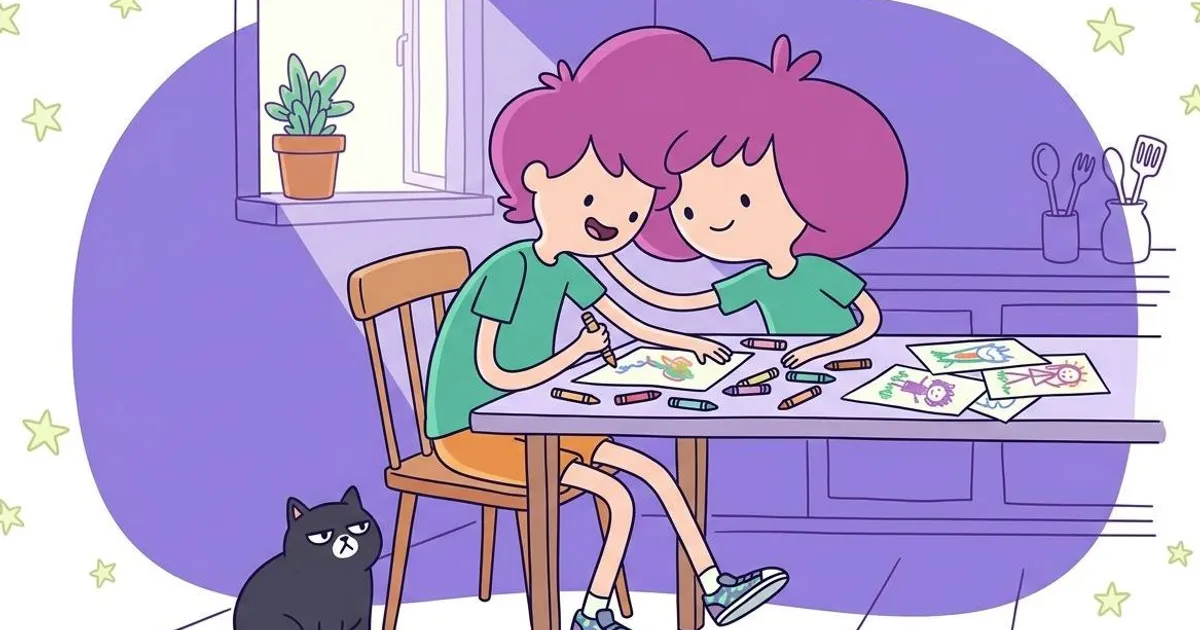
Children can start English storytelling with four building blocks: character, place, problem, ending. English storytelling practice for kids uses short stories, pictures, voice, structure, and meaning, helping children speak with sharper words, stronger memory, and growing confidence. Your child needs no polished accent or huge vocabulary. They need a safe pattern: choose a character, set a place, explain a problem, tell what happens next. For ages 4-15, stories make pronunciation practice feel less dry because sounds, stress, rhythm, and intonation carry meaning, not drill-sheet isolation.
Why Storytelling Helps Children Speak English
Stories give language purpose. A child saying “The dog ran away” practises past tense, holds a picture in mind, chooses words, and helps another person understand. That mix explains why English storytelling practice for kids works across ages and language backgrounds.
Younger children build listening, turn-taking, and sound play. Older children build sequence, detail, opinion, and tone. A 6-year-old may retell three pictures with “first, then, last.” A 12-year-old can add motive: “The boy hid the letter because he felt ashamed.” For parents, English storytelling practice for kids works best through short, visual practice repeated every week.
Storytelling also supports pronunciation. While telling a story, children must make target words clear. They learn pauses, stressed words, and how questions sound different from surprises.
What Your Child Needs Before Starting
A strong storytelling task does not start with a blank page. Give your child a small frame: one picture, three objects, a comic strip, or a familiar event such as a lost toy, a late bus, or a strange noise at night.
For pre-school children, keep the frame oral and visual. Ask for one sentence per picture. For school-age kids, add linking words such as “because,” “but,” “so,” and “after that.” For stronger speakers, ask for character feelings, a stronger ending, or two versions of the same story in different tones.
Across LearnLink lessons, teachers keep tasks small enough to finish. One complete short story beats a long story that collapses halfway through.
A Step-by-Step Method for Home Practice
Use this five-step method for English storytelling practice for kids. It fits home practice and still builds real speaking skill.
First, choose a prompt: a picture, a toy, a family photo, or a sentence starter such as “Yesterday, I found a key.” Second, plan three points: beginning, problem, ending. Third, say the story once without stopping for every mistake. Fourth, repeat with one focus, such as sharper /th/ sounds or stronger past-tense verbs. Fifth, praise one improvement and choose one next step.
Do not correct every error. If your child says, “He go to shop,” answer naturally: “Yes, he went to the shop. What did he buy?” The story keeps moving, and your child hears correct English in context.
Three-Sentence Story
Choose one nearby object. Say three sentences: “This is a ___.” “One day, it ___.” “In the end, it ___.” Younger children can point and act. Older children can add “because” or “but” for a richer story.
Pronunciation Through Storytelling
Storytelling gives children a strong place to practise English sounds because they are not repeating empty words. Each sound belongs to a character, action, or feeling. Practice becomes easier to remember.
Choose one sound focus each time. For /th/, use a tiny story with “three,” “think,” “bath,” and “teeth.” For /w/ and /v/, use “The wolf found a warm vest.” For final consonants, use action words such as “jumped,” “looked,” “stopped,” and “helped.”
Rhythm matters too. English often stresses content words: “The SMALL cat HID under the BED.” Ask your child to tap stressed words while telling the story. Speech starts sounding more natural without chasing a national accent.
Sound Focus Story
Tell a short story using four same-sound words: “three,” “think,” “thirsty,” and “bath.” Example: “Three frogs were thirsty. They thought about the river. Then they jumped into the bath.” Repeat once for meaning, then once for the /th/ sound.
Practical Story Ideas for Different Levels
For beginners, use “same story, small change.” Start with: “A girl finds a bag.” Then change one word: “A boy finds a map.” Children learn one pattern can create several stories.
For middle levels, use a story ladder: place, character, wish, problem, helper, ending. A child might say, “In a cold town, a shy robot wanted a friend, but everyone ran away. A small cat helped him smile.” This structure supports English storytelling practice for kids without forcing a long script.
For stronger speakers, add viewpoint. Tell the same story from the child, parent, and neighbour. This builds flexible language: “I was scared,” “He looked worried,” “They seemed confused.” Older children move beyond event lists.
Change the Viewpoint
Use this story: “A child hears a noise in the kitchen at night.” Tell it first as the child, then as the family pet, then as a neighbour. Keep each version to four sentences. Listen for changes in feeling words, voice, and detail.
Tips for Parents and Teachers
Keep sessions short. Five to ten focused speaking minutes suit most children, especially after school. Stop while your child still has energy. A tired child may link English with pressure.
Give clear roles. The child tells; the adult listens, helps, and models occasionally. Avoid turning every story into a grammar test. Pick one focus: order, vocabulary, pronunciation, or confidence.
Use recordings carefully. Some children enjoy hearing progress; others feel exposed. If you record, keep it private and short. Listen for one strength first: “Your ending was clear,” or “I heard the final sound in ‘stopped.’” Then give one practical next target.
Quick Recap and Next Steps
English storytelling practice for kids works best when short, visual, and repeated with purpose. A child needs a prompt, a structure, and one speaking focus. That focus may be sequence, richer words, a sound, stress, or a stronger ending.
- Start with three sentences today: character, action, ending.
- Practice one linking word tomorrow, such as “because,” “but,” or “so.”
- Retell the same story later in the week with a new character, feeling, or ending.
Repetition is not failure; it gives children speech control. LearnLink supports English learners aged 4-15, and 4,000+ families have used its lessons to build steadier speaking routines.
Data current as of July 2026.
If your child already speaks more than one language, treat that as a strength. They know words can change across homes, schools, and countries. English becomes another tool for sharing ideas, not a replacement for languages they already own.
For reading and phonics support beyond the article examples, Scholastic Parents is a helpful independent resource for parents.
FAQ
How Often Should a Child Practise Storytelling in English?
Two or three short sessions each week suit most families. Keep each session around five to fifteen minutes, depending on age and attention. English storytelling practice for kids should feel like a speaking routine, not a long performance. One small, finished story gives your child progress they can feel.
Should Grammar Be Corrected During a Story?
Correct lightly and selectively. Interrupt every sentence and your child may lose the story, then stop taking risks. Let the story finish, then choose one practical correction. You can model correct form in your reply: “Yes, he went home because it was raining.” Meaning stays first.
Can Storytelling Help with English Pronunciation?
Yes, because sounds appear inside meaningful speech. Choose one pronunciation focus, such as /th/, final consonants, or word stress. Ask your child to retell the same short story once for meaning and once for sound. This often works better than repeating separate word lists.
What If a Child Says They Have No Ideas?
Reduce choice. Offer two characters, one place, and one problem. For example: “A cat or a robot, in a park, loses something.” Children often freeze when tasks feel too open. A small frame helps them begin, and ideas usually grow after the first sentence.
Start your child's English journey today — book a trial lesson with LearnLink.
Stay updated on our latest tips and resources by following us on Instagram LearnLink.