Going to Questions for Kids
going to questions for kids use “be going to” for plans, intentions, or likely future events: “Are you going to play?” or “What are you going to draw?” Children usually meet this form after basic present tense and “to be,” since each question needs both pieces. For school-age kids, skip the early grammar lecture. Teach frames, short answers, and real choices: today, tomorrow, after school, at the weekend, in the holidays.
📥 Going to Question Cards for Kids
Printable phrase groups and a weekly practice tracker for asking and answering future plans with “going to”.
Leave your email — we'll send the PDF to your inbox.No spam — the PDF plus one short reminder. Unsubscribe anytime.
Core Question Frames to Teach First
Start with yes/no questions: “Are you going to…?” The rhythm feels easy, and answers stay short. Use familiar actions: eat, play, read, draw, swim, watch, visit, make, wear, buy. A 5-year-old may answer “Yes” or “No” first; then model “Yes, I am” and “No, I’m not.”
Next, teach open questions: “What are you going to…?” They move children from fixed answers toward personal ideas. First frames: “What are you going to eat?”, “What are you going to wear?”, “What are you going to play?”, and “Where are you going to go?” For families, going to questions for kids work best when they match real daily life, not textbook scenes.
Keep the pattern visible: question word, “am/is/are,” person, “going to,” verb. Children can use the phrase before naming parts. Parents can spot missing words and model gently: “Are you going to play?” instead of “You going to play?” With warm repetition, going to questions for kids start sounding natural before grammar labels matter.
Useful Words and Phrases
Children need vocabulary before strong questions. Teach verbs with pictures, gestures, or objects. “Are you going to cut?” works with paper and scissors. “Are you going to climb?” works near a playground or park picture book.
For bilingual or multilingual children, connect the phrase with meaning, not word-for-word translation. Some languages use present forms for future plans; English often uses “going to.” Practise going to questions for kids in full sentences: “Are you going to play football after lunch?” gives more support than “going to” alone.
Examples in Context
Use family-life examples. At breakfast: “What are you going to eat?” Before school: “Are you going to take your blue bag?” In the evening: “What story are we going to read?” The child hears questions for choosing, planning, and explaining, not isolated grammar.
For older children, add reasons: “What are you going to wear for the school show?” “Why are you going to choose that book?” “Who are you going to work with on the project?” School-age kids can compare “going to” with “will” after basic form feels steady. For planned actions, “going to” feels easier because the child can link it with a clear plan.
Across LearnLink lessons, tutors use short exchanges instead of long drills. A child may hear: “Are you going to draw a monster or a robot?” Then: “What colour are you going to use?” This keeps going to questions for kids active, visual, and practical. The goal is not first-try perfect grammar; the goal is useful speech the child can repeat in real moments.
Activities by Age
For younger school-age kids, tie each question to movement and choice. Put three toys on the table: “Which toy are you going to hide?” Draw two foods: “What are you going to eat?” One-word answers are fine. The adult models the full sentence: “You are going to eat pasta.”
For children around six to eight, use mini-plans. Ask the child to plan a pretend picnic, birthday party, or trip to the moon. Prompts: “What are you going to take?”, “Who are you going to invite?”, and “Where are you going to sit?” Chosen details make the frame natural. These playful plans make going to questions for kids feel like communication, not recitation.
For older school-age kids and early teens, use real planning tasks: weekend plans, video projects, sports matches, book choices, or school presentations. Teen learners need purpose: “What are you going to say first?” “How are you going to practise?” “What are you going to do if the plan changes?”
Five-minute Plan Game
Choose one event: a picnic, a class party, a rainy afternoon, or a holiday day. Ask five questions with “going to”: where, what, who, when, and how. Let your child answer with drawings, single words, or full sentences, then repeat the answers back in full English.
Practice Ideas for Home and Online Lessons
Keep practice short. Try a “today and tomorrow” check-in: “What are you going to do today?” and “What are you going to do tomorrow?” Younger children point to pictures. Older children give two or three planned actions. Two minutes of repetition builds confidence.
Another routine: “choose and ask.” The adult lays out cards or objects, and the child asks. With food cards: “Are you going to eat soup?” With place cards: “Are you going to go to the park?” This turns going to questions for kids from answering practice into controlled speech. Parents can swap roles too: the child asks, and the adult answers with a funny plan.
In online lessons, use slides, drawing tools, and short role play. A tutor can show a busy room and ask, “What is the girl going to clean?” or “What is the boy going to open?” The picture gives meaning, and grammar gains purpose.
Common Mistakes and Gentle Fixes
The main mistake is dropping “am,” “is,” or “are”: “You going to play?” Keep the flow and repeat the correct form: “Are you going to play? Yes, I’m going to play.” The child hears the model without feeling tested.
Another mistake is using “-ing” after “going to”: “Are you going to playing?” Give contrast: “going to play,” “going to eat,” “going to read.” Use three examples, then return to meaning. Long grammar talk can make the form harder.
Children may mix person and verb: “Is you going to…?” or “Are he going to…?” A small chart helps: “Are you…?”, “Is he…?”, “Is she…?”, “Are they…?” Point during the activity. Going to questions for kids improve faster when correction stays brief, calm, and tied to one sentence.
- Try five going to questions for kids during breakfast with clear yes-no answers.
- Practice two silly weekend plans with ages six to eight after storytime.
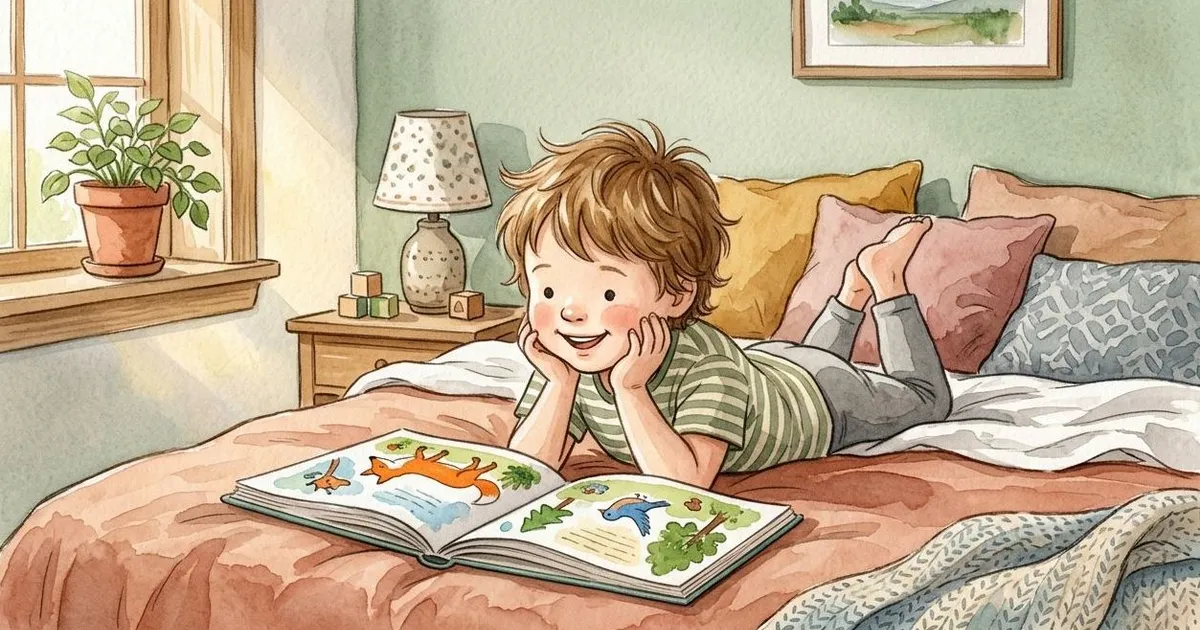
- Use one picture book page and ask three future-plan questions together.
- Model mistakes gently by repeating the correct question before your child answers.
- Review for three minutes daily using toys, drawings, or family calendar events.
When a word has several meanings or pronunciations, Cambridge Dictionary is a useful check before turning it into child-friendly examples.
Frequently Asked Questions
At What Age Should a Child Learn “Going to” Questions?
Children can start hearing and answering short “going to” questions around age 5 or 6, especially with pictures and actions. Full control comes later. A younger child may answer “park” to “Where are you going to go?” School-age kids can build short full answers with steady practice.
How Many Examples Should We Practise at One Time?
Use three to five examples in one short session. More can blur for first-time online learners. Choose one frame, such as “What are you going to eat?” and change only food words. When answers come easily, add a new frame. Small sets help going to questions for kids feel focused.
Should Parents Explain the Grammar Rule First?
For most children, examples should come before the rule. Let the child hear “Are you going to…?” in real situations. Then add a short rule if the child seems ready: “We use going to for a plan.” Older children may want the written structure; younger learners need sound, meaning, and repetition first. This order keeps going to questions for kids warm and usable.
What Is the Difference Between “Going to” and “Will” for Children?
A child-friendly difference: “going to” often shows a plan, while “will” often shows a quick choice or promise. “I’m going to visit Grandma” sounds planned. “I’ll help you” can be decided now. Teach “going to” with plans first, then compare it with “will” after enough examples.
A short one-to-one lesson can show what level and pace fit your child — book a free English lesson.
Stay updated on our latest tips and resources by following us on Instagram LearnLink.