The Future with “Going to” in English for Kids
The Future with “Going to” in English for Kids expresses plans, intentions, and likely events through am, is, or are + going to + base verb. Children meet this pattern after “to be”: “I am happy,” “She is at home,” “They are friends.” Though the form looks long, real plans clarify meaning: “We are going to visit Grandma,” “He is going to build a tower,” “It is going to rain.” LearnLink tutors start with choices, calendars, pictures, and quick talk, then name the rule.
📥 Going To Plans Practice Pack
Printable grammar activities for making simple future plans, predictions, and choices.
Leave your email — we'll send the PDF to your inbox.No spam — the PDF plus one short reminder. Unsubscribe anytime.
What Children Need to Understand First
Skip lectures about “future intention.” Children need one idea: use “going to” for a plan, or signs showing something will happen. “I am going to draw a cat” means the child chose that action. “Look at the clouds. It is going to rain” means strong signs point ahead.
For younger children, The Future with “Going to” in English for Kids works best near home: after school, at the weekend, before bedtime, during a game. Older children and teens can discuss school projects, sport, holidays, online lessons, and goals: “I am going to practise speaking twice this week.”
This grammar helps bilingual and multilingual children separate habit from time. “I play football” means routine. “I am going to play football on Saturday” means plan. Choose examples from your child’s week. Parents teaching The Future with “Going to” in English for Kids should favour short, visual practice repeated weekly.
How the Grammar Works
The structure stays steady: subject + am/is/are + going to + base verb. Base verbs never change. Say “She is going to read,” not “She is going to reads.” Say “They are going to make,” not “They are going to making.” Only “to be” changes, making The Future with “Going to” in English for Kids manageable. Children remember the phrase through a clear example followed by immediate use.
A short table speeds learning. Read it aloud instead of relying only on paper. “I’m going to,” “she’s going to,” and “we’re going to” matter because children hear these forms in stories, videos, lessons, and conversation. Start The Future with “Going to” in English for Kids through one familiar situation before introducing harder contrasts.
Short forms sound natural in spoken English. In early writing, full forms reveal structure. Teach rules through full forms and speech through short forms.
Plans, Signs, and Simple Choices
The Future with “Going to” in English for Kids has two main uses. First, a plan: “We are going to visit my cousins.” Second, a likely event supported by visible signs: “The glass is near the edge. It is going to fall.” These uses cover early practice. Each activity should require understanding or producing target language, not mere repetition.
Plans feel easiest because children can discuss real life. Ask, “What are you going to do after the lesson?” A beginner may answer: “Draw.” Expand it: “I am going to draw.” A stronger learner adds detail: “I am going to draw a dragon for my brother.” Review The Future with “Going to” in English for Kids through speech and writing, building recognition across both forms.
Signs need pictures, gestures, or objects. Show a boy holding a towel near a pool: “He is going to swim.” Show a girl opening a book: “She is going to read.” Visual evidence explains why each sentence fits.
Rules and Examples by Age
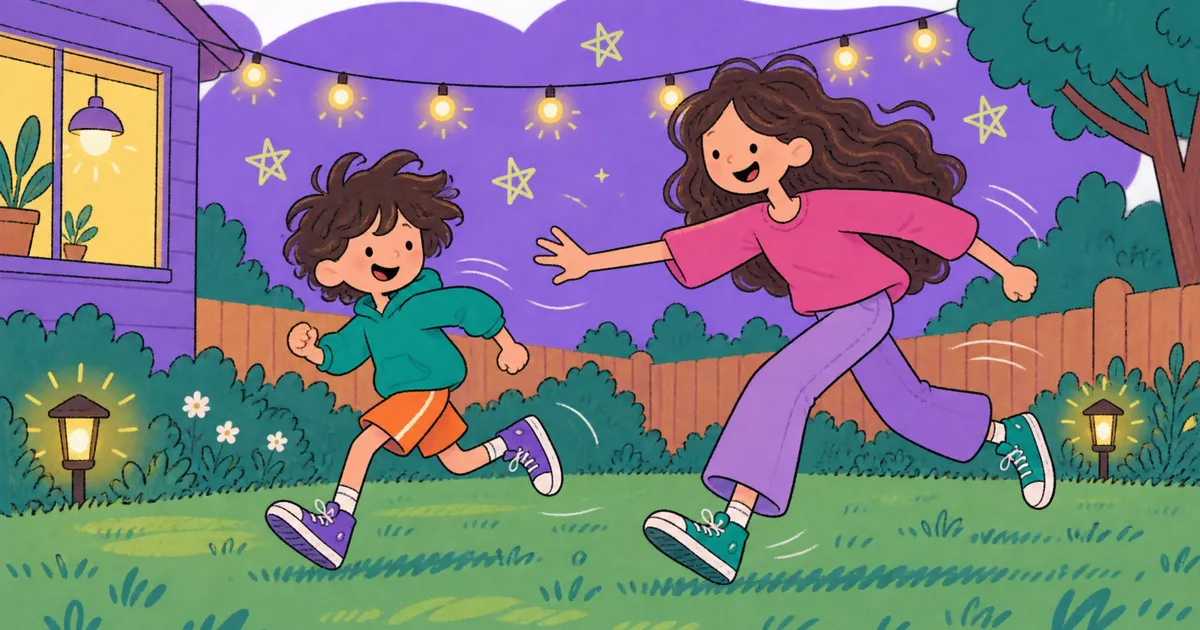
For school-age kids, choose short, physical sentences. Use toys, drawings, and actions: “The bear is going to sleep,” “I am going to jump,” “We are going to sing.” Prioritise meaning over grammar labels. While teaching The Future with “Going to” in English for Kids, correct one point, then invite an immediate retry.
School-age kids can handle questions and negatives. Questions move “to be” first: “Are you going to play?” “Is she going to come?” Negatives add “not”: “I am not going to watch TV,” “They are not going to run.” This grammar lets children ask classmates or tutors about plans.
School-age kids can also add reasons, time phrases, and useful contrasts with other future forms. A teen can say, “I’m going to revise tonight because we have a test tomorrow.” “Will” often marks quick decisions or predictions; “going to” often marks plans or visible signs. Keep contrasts practical.
Common Mistakes and How to Fix Them
The main mistake drops “to be”: “I going to play.” Prompt the correct pattern: “I am going to play.” Draw three paper blocks: I / am going to / play. Then change subjects: “She is going to play,” “They are going to play.”
Another mistake changes the main verb: “He is going to plays” or “We are going to swimming.” After “going to,” keep its base form: play, swim, eat, read, make. Clean examples reinforce this rule.
Some children overuse “going to” for every future idea. That stage is normal. During The Future with “Going to” in English for Kids, secure the core pattern first; later, compare it with “will” and the present continuous later.
Practice Activities That Work at Home
Short practice beats one long monthly worksheet. Try three minutes after dinner: “What are you going to do now?” “I’m going to brush my teeth.” “What is Dad going to do?” “He’s going to wash the dishes.” Real plans give grammar purpose, especially during The Future with “Going to” in English for Kids practice.
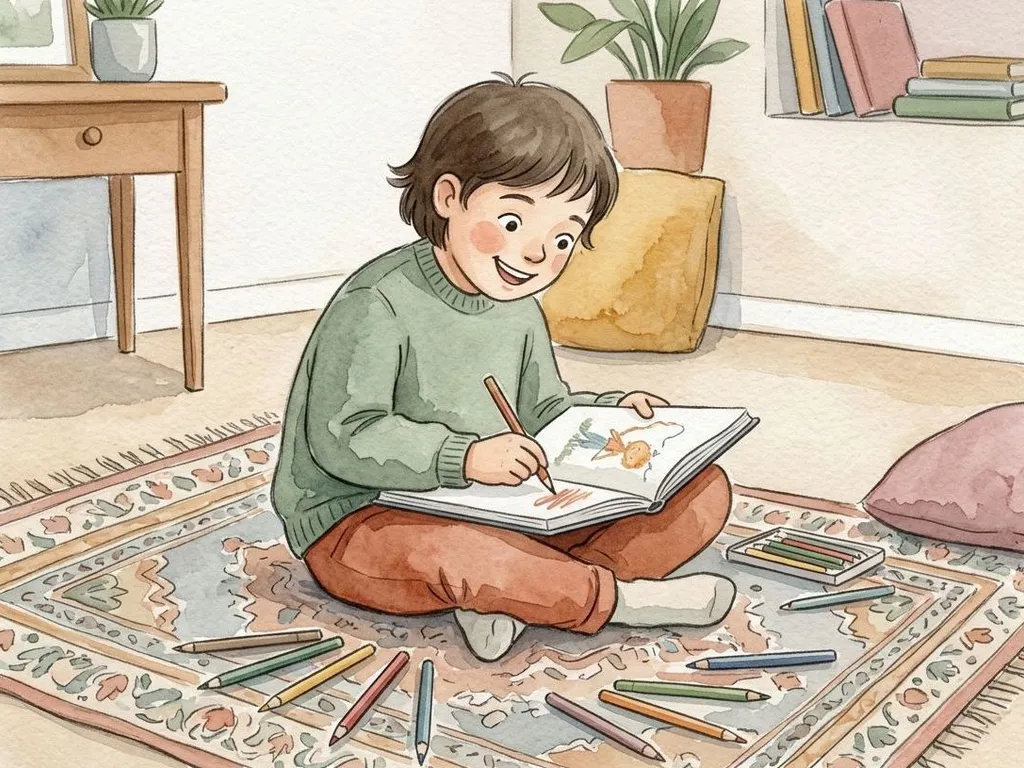
Picture prediction also works well. Open a picture book, pause before the next action, and ask, “What is the child going to do?” Accept short answers, then shape full sentences. Younger siblings can point; older children can explain.
Fill in the Blank
Complete each sentence with am, is, or are: 1. I ___ going to paint. 2. She ___ going to read. 3. They ___ going to play outside. 4. We ___ going to make lunch. 5. It ___ going to rain.
Make the Sentence Longer
Start with the short sentence and add one detail: “I am going to draw.” Add what, when, or why: “I am going to draw a robot after school.” Try the same with read, cook, visit, practise, and watch.
Ask and Answer
Take turns asking future questions: “Are you going to play a game?” “Is your friend going to come?” “What are we going to eat?” Each answer should use the full pattern at least once before short forms.
When to Use “Going to” Instead of “Will”
Parents may worry children will mix “going to” and “will.” Some mixing is expected. Here is the practical difference: “going to” often signals an already-made plan, while “will” often signals a quick decision or general prediction. “I’m going to call my friend” sounds planned. “I’ll help you” can mean a decision made now.
Keep the first rule short: use “going to” for plans and signs. Introduce “will” later for promises, quick choices, and future facts. Children can speak before mastering every future form.
Across LearnLink lessons, tutors tie The Future with “Going to” in English for Kids to speech. Children plan a pretend party, predict the next story action, or discuss their week. Grammar sticks when carrying a message children want to share.
How Parents Can Support Progress
Parents need no home grammar class. Use short, calm repetition during normal moments. Before a trip, ask, “What are we going to take?” Before a lesson, ask, “What are you going to practise?” Before a birthday, ask, “Who is going to come?”
Correct lightly. If your child says, “She going to dance,” model the correct form naturally: “Yes, she is going to dance.” For a rule-focused child, add, “We need is after she.” For a child who dislikes correction, that model may suffice.
Keep examples culturally open. Children may discuss grandparents in another country, a family holiday, a sport, or a home language. Grammar stays constant; content should match your child’s world. Such warmth keeps future practice practical, personal, and repeatable.
- Practice three “going to” sentences after dinner with your child today.
- Use one picture book to predict what each character is going to do.
- Ask five bedtime questions about tomorrow using “What are you going to do?”
- Try a seven-minute role-play about weekend plans with toys or puppets.
- Record two future plans together, then replay and repeat the sentences.
When a word has several meanings or pronunciations, Cambridge Dictionary offers a useful check before creating child-friendly examples.
Frequently Asked Questions
At What Age Can a Child Learn “Going to” for the Future?
Children can start using “going to” sentences from about age 5 or 6 if examples are concrete: “I’m going to jump,” “She’s going to eat.” Older children can learn the rule directly. The future with going to in English for kids should match language level, not only age.
Should My Child Learn “Will” Before “Going To”?
Not necessarily. “Going to” often feels easier because it connects to real plans children can see and discuss. “I’m going to play” is more concrete than a broad future prediction. Learners meet both forms over time, but they do not need both in the same week.
How Can I Correct Mistakes Without Making My Child Nervous?
Use a model instead of a long explanation. If your child says, “I going to draw,” reply, “Yes, you are going to draw.” Then continue talking. If the mistake repeats, practise three examples together: “I am,” “you are,” “she is.” Keep tone steady and brief.
Why Does My Child Say “Going to” with Every Future Sentence?
This is a normal stage. Children use a new grammar form widely before learning its limits. If the sentence is understandable, correct only one or two moments. Later, compare “going to” with “will” through examples: “I’m going to visit my aunt” as a plan, and “I’ll open the door” as a quick decision.
How Much Practice Is Enough?
Five focused minutes several times a week beats one long grammar session. Ask about real plans, use pictures for predictions, and repeat the structure with different verbs. The aim is for your child to use “am/is/are going to” in speech and writing with growing ease.
A short one-to-one lesson can show what level and pace fit your child — book a free English lesson.
Stay updated on our latest tips and resources by following us on Instagram LearnLink.