Opposites in English for Kids
Opposites help children build meaning through paired contrasts: big and small, hot and cold, open and closed. Opposites in English for Kids: A Practical Guide for Families gives children a practical way to compare objects, actions, feelings, and ideas in daily speech. For a young learner, opposites are more than vocabulary. They help a child sort the world: the cup is full, the box is empty, the door is open, the window is closed. When families use these words in real moments, children hear meaning before spelling.
📥 Opposites Word Cards for Kids
A printable practice set with everyday opposite pairs, quick home activities, and a weekly tracker.
Leave your email — we'll send the PDF to your inbox.No spam — the PDF plus one short reminder. Unsubscribe anytime.
What Families Need to Know
Opposites work well for children because parents can show them. Hold up a long pencil and a short pencil, walk fast and then slow, or make a loud clap and then a quiet clap. The meaning is visible, so the English word attaches to an object, action, or sound.
For younger learners, begin with pairs your child can see or act out: big/small, up/down, happy/sad, in/out. For school-age kids, add pairs that describe choices and opinions: easy/hard, safe/dangerous, early/late. Older children can use opposites in fuller sentences, short stories, and school-style comparisons.
Opposites in English for Kids: A Practical Guide for Families should feel practical, not like a test. A child who says “The bag is heavy” and “The feather is light” is already combining grammar, meaning, and observation.
Core Opposite Pairs to Start With
Start with a small set and repeat it often. Ten pairs used at breakfast, play, reading, and bedtime teach more than fifty pairs rushed once. Say the pair, point to the object, and put each word in a short sentence.
The table below gives first pairs with family-life examples. Adjust the sentence to your child’s level: “The cup is full” for a beginning speaker, or “The glass was full before I drank the water” for a learner ready for longer speech.
The dog is big. The toy is small.
The soup is hot. The juice is cold.
The door is open. The box is closed.
The car is fast. The turtle is slow.
She is happy. He is sad.
The plate is clean. The shoes are dirty.
We are early. The bus is late.
This word is easy. That puzzle is hard.
How to Use Opposites at Home
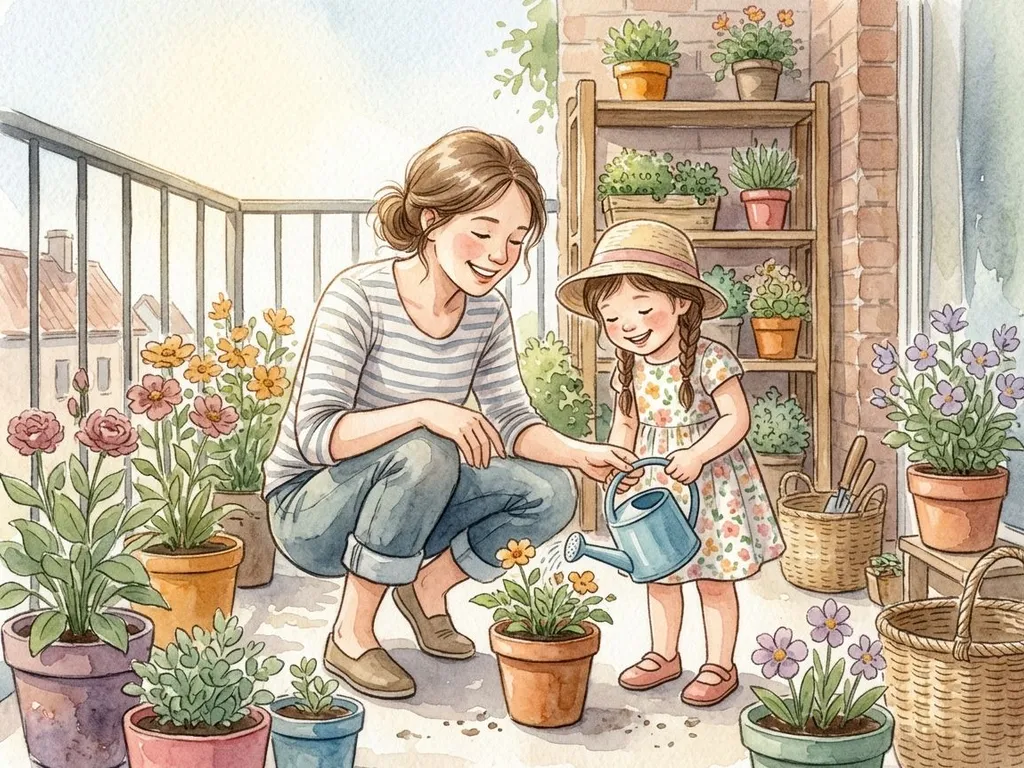
Use one pair in one setting. At snack time, choose full/empty. At bath time, choose wet/dry. During a walk, choose near/far or high/low. Children learn faster when the word belongs to something they can touch, see, or move.
Keep correction light. If your child says “The cup is empty” when it is half full, answer, “Almost. It is not full, but it is not empty. It is half full.” The child gets the right word without a quiz.
Opposites in English for Kids: A Practical Guide for Families supports bilingual and multilingual homes. Keep using your home language. Say the idea in the language your child knows, then give the English pair and repeat it in a short English sentence.
Examples by Age
For younger learners in the 4-15 range, use movement and objects. Ask your child to stand up, sit down, open a book, close it, take a big step, then a small step. The words become part of the body, not only the page.
For school-age children, add short choices: “Is this bag heavy or light?” “Was the story funny or serious?” “Is the answer right or wrong?” Then ask for one extra phrase: “The bag is heavy because it has books.”
For older learners, opposites can build richer speech. Use pairs such as possible/impossible, simple/complex, polite/rude, public/private, and calm/nervous. Older learners should practise the word pair inside a reason, opinion, or short paragraph.
Practical Activities
Make practice short and repeatable. Five minutes three times a week can build confidence. Children new to online learning often do well when the task feels like a family routine.
Try an “opposite hunt” at home. Choose one pair, such as clean/dirty, and ask your child to find two examples. Then move to a sentence: “The towel is clean. The socks are dirty.” For older children, add because: “The socks are dirty because I wore them outside.”
Family Opposite Challenge
Choose five pairs: big/small, hot/cold, open/closed, fast/slow, happy/sad. Each family member makes one sentence with each pair. Younger children can point and repeat. Older children should add a reason or a short story sentence.
Use drawing too. Fold a page in half and write one word on each side: day/night, old/new, loud/quiet. Your child draws one picture for each word, then says both sentences aloud. In structured English speaking practice for kids, tutors can adapt this task for children who need more speaking practice or more structure.
Common Mistakes to Watch For
One mistake is teaching opposites as single words without context. If a child only hears “big, small,” the words may stay passive. Add a noun: big house, small house. Then add a sentence: “This house is big. This house is small.”
Another mistake is using abstract pairs too soon. A beginning learner may understand happy/sad before generous/selfish. A school-age learner may understand easy/hard before fair/unfair. Match the word pair to the child’s life, not to a long vocabulary list.
With older children, watch for opposites that change by situation. Cheap/expensive, safe/dangerous, and polite/rude can depend on context. Ask, “Why do you think so?” This turns Opposites in English for Kids: A Practical Guide for Families into thinking practice, not only word memory.
How to Build Sentences
Once your child knows a pair, move from naming to speaking. Start with “The noun is adjective”: “The box is open.” “The box is closed.” Then add plural nouns: “The shoes are clean.” “The shoes are dirty.”
Next, add comparison: “This bag is heavier than that bag.” Children do not need every grammar rule at once. They need concrete examples. For younger learners, focus on meaning. For older learners, draw attention to forms such as heavy/heavier, easy/easier, and good/bad.
Opposites in English for Kids: A Practical Guide for Families can support reading. When you read a story, pause on a contrast: day/night, inside/outside, brave/scared. Ask your child to find the opposite in the picture or in the next sentence.
- Try five opposite pairs with your child during breakfast today.
- Practice one sentence frame: “The cup is big, not small.”
- Use a picture book for ages four to seven.
- Ask your child to compare two toys in complete sentences.
- Repeat three new opposite sentences before bedtime tonight.
When a word has several meanings or pronunciations, Cambridge Dictionary is a useful check before turning it into child-friendly examples.
Frequently Asked Questions
What Are the Best First Opposites for a Young Child?
Begin with opposites your child can see or act out: big/small, up/down, in/out, open/closed, hot/cold, wet/dry, happy/sad, and fast/slow. These pairs work because the meaning needs little explanation. Use each pair in a sentence, not only as two separate words. “The door is open” teaches more than “open, closed” said alone.
How Many Opposite Pairs Should We Teach at Once?
For younger learners, two or three pairs at a time is enough. For children ready for longer sentences, five pairs can work if the examples are familiar. Teen learners can handle larger sets, but they still need sentence practice. Opposites in English for Kids: A Practical Guide for Families works best when the words are reused across the week.
Should We Translate Opposites into Our Home Language?
Yes, translation can help when it is brief. In a multilingual family, the home language gives quick meaning, while English gives practice. Say the idea once in the language your child knows, then repeat the English pair in a real sentence. Avoid long explanations during speaking practice. The goal is for your child to connect the English word with a specific idea.
How Can We Help an Older Child Use Opposites Naturally?
Ask for reasons, opinions, and short comparisons. Instead of only saying “easy and hard,” ask, “Which homework was easy, and which was hard? Why?” Older children should use opposites to explain ideas: “The first task was simple, but the second was complex.” This makes the vocabulary useful for school talk, reading, and everyday discussion.
- Start with two visible pairs this week, such as full/empty and open/closed.
- Practice each pair in one real sentence during a routine your child already knows.
- Try a quick review after three days: show the object, ask for the opposite, then ask for a sentence.
LearnLink supports English learners ages 4-15, with 4,000+ families, 200+ tutors, and students across 100+ countries since 2024.
Data current as of July 2026.
Start your child's English journey today — book a trial lesson with LearnLink.
Stay updated on our latest tips and resources by following us on Instagram LearnLink.