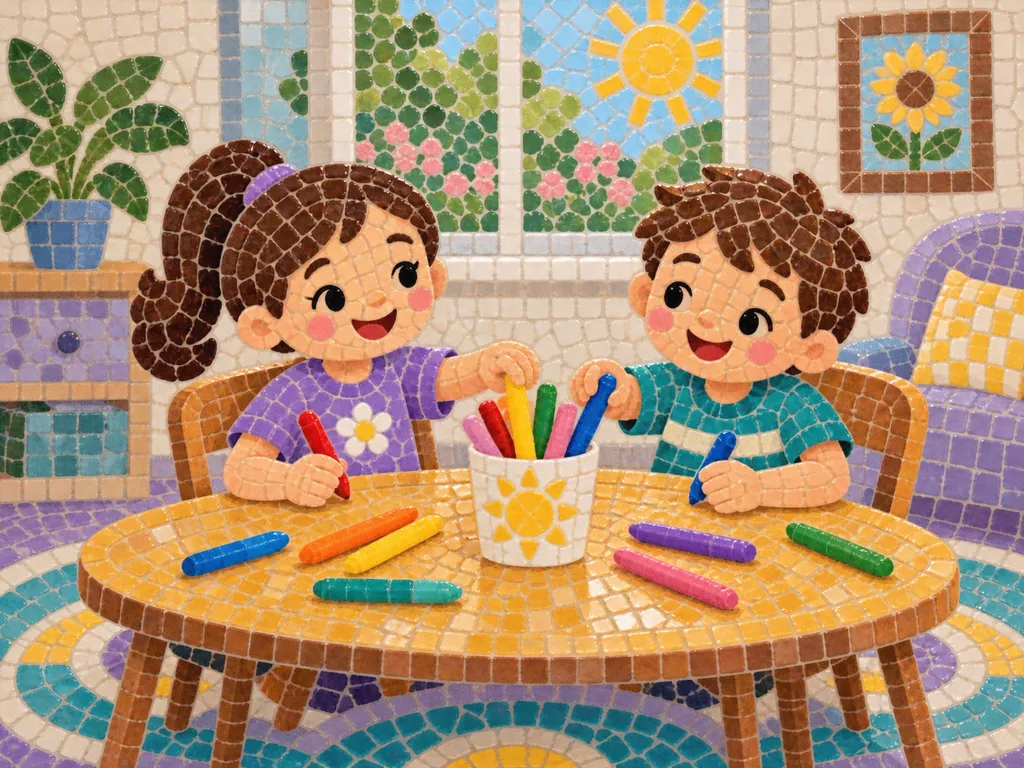
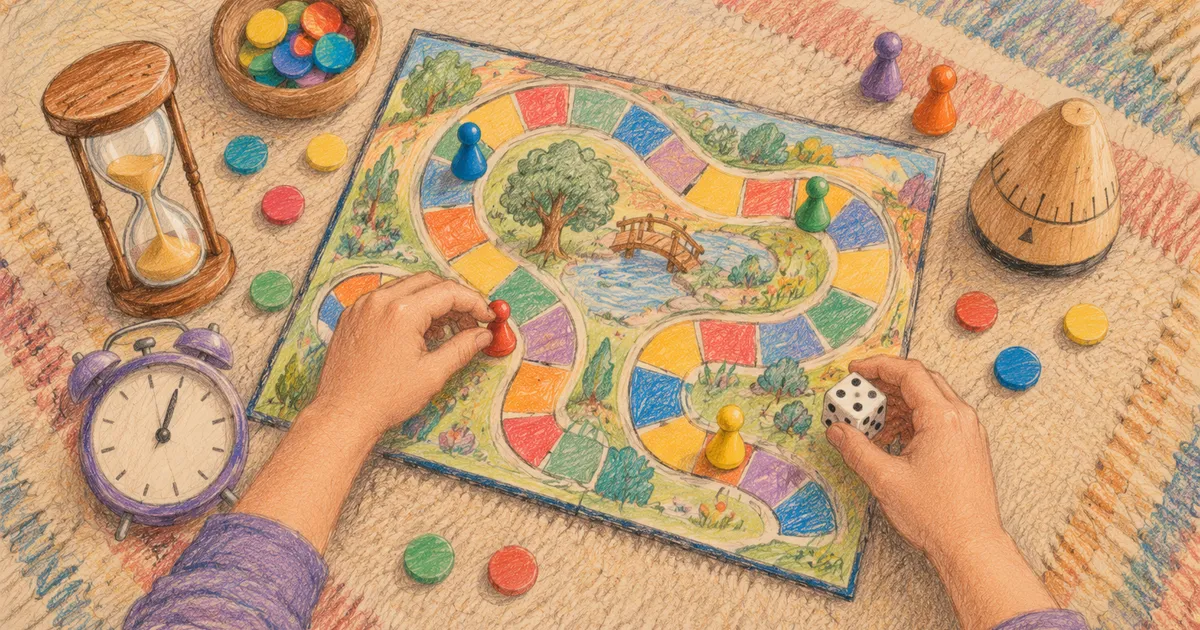
Phonics at Bambinoslive Makes Learning Fun
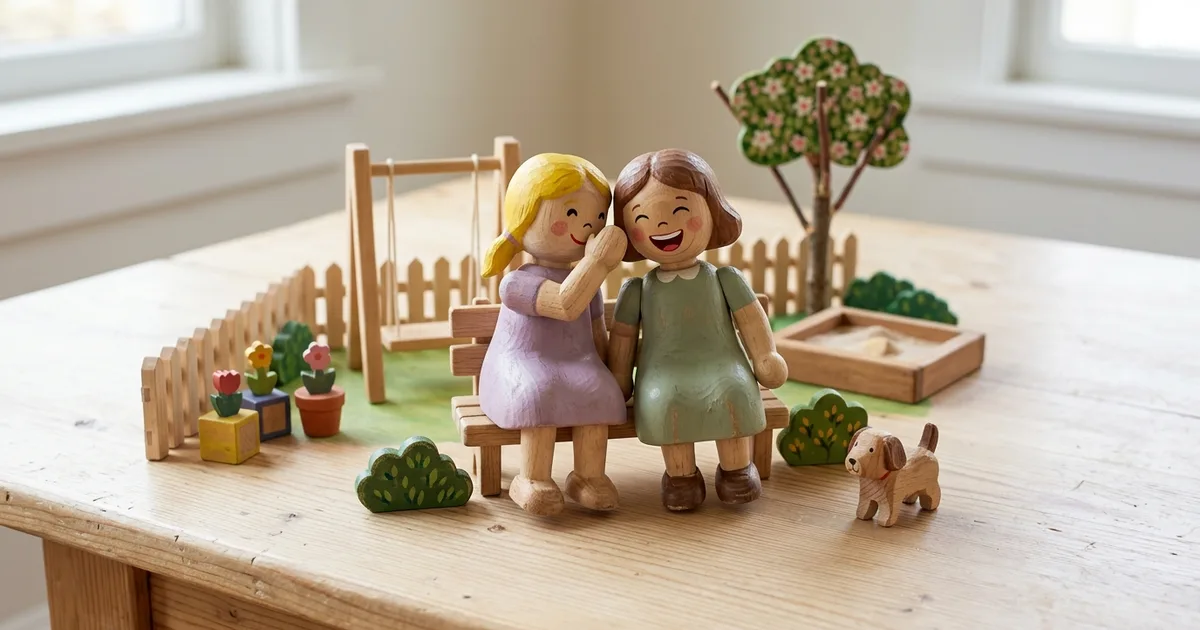
How phonics at Bambinoslive makes learning fun for kids follows a focused loop: hear a sound, connect it to letters, build a word, and practise it through play. Pictures, movement, choices, and quick challenges hold attention during decoding. Parents should check whether the child repeatedly hears, blends, reads, and understands words at a suitable pace.
📥 Bambinoslive Phonics Practice
Playful activities for building sound-to-word confidence
Leave your email — we'll send the PDF to your inbox.No spam — the PDF plus one short reminder. Unsubscribe anytime.
What Families Need to Know About Phonics
Phonics connects spoken sounds with written letters or letter groups. A child learns that sh represents the opening sound in ship, then blends the sounds to read the word. This differs from memorising its shape.
How phonics at Bambinoslive makes learning fun for kids becomes visible through the child’s actions. Phonics practice asks learners to point to a letter, blend sounds, match a picture, read a phrase, or correct a playful mistake. Entertainment alone does not teach phonics.
A Useful Lesson Sequence
A phonics activity starts with listening. The tutor or recording models the target phoneme precisely, without adding a syllable: m, not muh. The child connects it to print in words such as map, ham, and moon. Pictures support meaning while letters remain visible.
Next come blending for reading and segmenting for spelling. A child blends s-u-n into sun, then separates fish into its sounds. How phonics at Bambinoslive makes learning fun for kids depends on achievable challenges and varied responses: say it, tap it, build it, sort it, or read it in a sentence.
Examples That Fit Different Ages
Young children need short turns, large print, physical objects, and oral practice. School-age learners can tackle longer words, spelling choices, and reading clues. Older children need age-appropriate tasks that examine unfamiliar words, spelling patterns, and pronunciation without lowering the subject level.
A multilingual child may hear English contrasts differently because sounds work differently across languages. The lesson should model each contrast and allow another attempt without treating home languages or accents as problems.
How to Use the Approach at Home
How phonics at Bambinoslive makes learning fun for kids can guide home practice without creating another class. After a lesson, revisit one sound pattern for five to ten minutes. Find it in a book title, food label, game menu, or lesson word.
Keep letter sounds separate from letter names. For ch, pronounce it in chair, then compare chair, chip, and lunch. Ask where the sound appears. The child must inspect each word instead of awaiting the answer.
Finish with meaning. After reading The frog jumps on the rock, ask which animal jumped and where it landed. Phonics opens the word; vocabulary and comprehension reveal the message.
Practical Activities with a Clear Purpose
A phoneme hunt works in any room or picture. Name a target, such as the opening phoneme in bed, and ask the child to find matching objects or images. Welcome comparisons with family languages while reinforcing the English letter-sound connection.
For blending, write letters on paper pieces and slide them together as the child reads. For spelling, say a familiar word and have the child move one counter per sound before selecting letters. How phonics at Bambinoslive makes learning fun for kids appears in movement, decisions, and immediate practice.
Try a Sound Detective Round
Choose a short text and one spelling pattern, such as ee. Circle each example, read the word, and use one selection in a new sentence. If the child circles letters without reading, blend the word aloud again.
How to Judge Progress and Lesson Fit
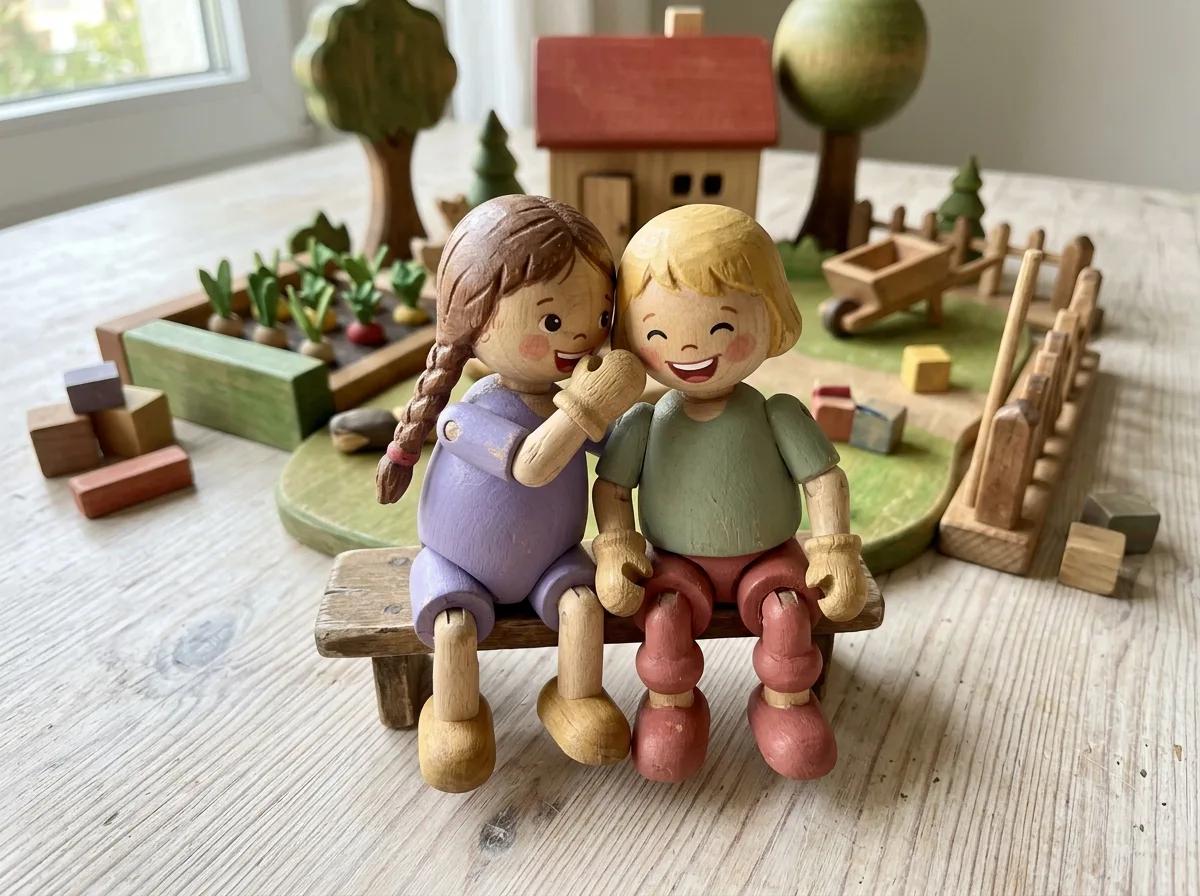
Track what your child can do independently: attempt an unfamiliar word from left to right, blend without long pauses, recognise a spelling pattern, and check whether the word fits the sentence. Progress across multiple lessons matters more than one lively session.
Ask your child to show one session word and explain how it was read. “I saw sh and blended the rest” reveals more than “It was easy.” If tasks remain effortless, confusing, or childish, ask how upcoming lessons will adjust patterns, word difficulty, context, and pace.
- Try a five-minute sound game with your four-year-old after today’s phonics lesson.
- Track three new sounds weekly and celebrate independent blending with a favorite book.
- Ask your child to explain one activity and notice confidence, accuracy, and enjoyment.
- Compare lesson difficulty with your child’s age, attention span, and reading level.
- Adjust the next Bambinoslive session if frustration continues beyond two short activities.
When a word has several meanings or pronunciations, Cambridge Dictionary is a useful check before turning it into child-friendly examples.
Frequently Asked Questions
How Long Should Phonics Practice Last at Home?
For many 5- to 9-year-olds, five to ten focused minutes is enough for one home round. Stop before accuracy turns into guessing or frustration. Brief practice repeated during the week is easier than a long worksheet session. Older learners may continue longer when phonics supports meaningful reading, spelling, or pronunciation.
Should a Multilingual Child Learn Phonics Differently?
The process remains the same: hear the English sound, connect it to print, blend, and use the word. Extra modelling may help with sounds absent from a home language. Families can compare languages without ranking them. Distinct contrasts, visible mouth movements, and patient repetition work better than hiding an accent.
What If My Child Knows Letter Names but Cannot Read Words?
Knowing that a symbol is called “bee” does not teach a child to blend b-a-g. Practise each letter’s sound, then shorten the pauses until the word becomes recognisable. Start with regular words such as map, sit, and hot before introducing spellings outside the current pattern.
Are Phonics Games on a Screen Enough?
Screen activities provide audio, repetition, and quick choices, but children must also speak, read connected text, write, and receive feedback. Transfer each screen pattern to a paper book or new sentence. Without that transfer, game success may show activity memory instead of independent reading.
How Can I Tell Whether the Bambinoslive Approach Suits My Child?
How phonics at Bambinoslive makes learning fun for kids should appear in engagement and learning. Your child should participate, work with printed letters, blend unfamiliar words, and understand the text. Check whether difficulty changes when the tutor notices errors. Fun supports progress by returning attention to sounds, words, and meaning.
- Start with one pattern: choose two or three words and practise blending them aloud.
- Try a short transfer task: find the same pattern in a book, label, or new sentence.
- Check understanding: ask your child to explain what one decoded word or sentence means.
A short one-to-one lesson can show what level and pace fit your child — book a free English lesson.
Stay updated on our latest tips and resources by following us on Instagram LearnLink.