English Words That Sound the Same for Kids
Homophones are words that sound the same but differ in sense, spelling, or both, such as two and too. English Words That Sound the Same: Examples and Activities for Kids matters because children meet these words in reading long before they can explain the rule. A child hears “I see the sea” and grasps it from context, but the spelling still needs slow practice. For multilingual families, homophones feel strange at first: one sound carries two ideas. With short lists, pictures, sentences, and games, children learn them without guessing.
📥 English Words That Sound the Same
Homophone practice for young learners
Leave your email — we'll send the PDF to your inbox.No spam — the PDF plus one short reminder. Unsubscribe anytime.
What Same-sounding Words Are
Words that sound the same are called homophones. The sound is shared, but the definition changes: flower grows in a garden, while flour goes into baking. Homophones like right and write have different spellings. Others share spelling but split meaning, such as bat, the animal, and bat, the sports tool.
For young learners, the first step is not a rule. It is hearing the difference in meaning. A 5-year-old understands “sun” and “son” with pictures. An older child notices that “Which one fits the sentence?” is the real question. English Words That Sound the Same: Examples and Activities for Kids should begin with ideas, not spelling tests.
Core Pairs to Teach First
Start with homophones children can act, draw, or use in daily speech. Keep the first set small, especially for children new to online lessons or who already speak two or three languages at home. Five strong pairs beat twenty rushed ones.
These pairs work across LearnLink lessons because they are easy to show and hold up in real sentences.
Examples in Context
Children remember homophones faster when each word lives inside a small scene. Instead of asking, “What is the difference between see and sea?” say, “Draw a boat on the sea. Now draw eyes that see the boat.” The child now holds sound, idea, and image together.
Short sentence pairs help older children spot grammar clues. “I ate eight grapes” works because ate is an action and eight is a number. “The knight came at night” works because one word names a person in armour and the other names a time. English Words That Sound the Same: Examples and Activities for Kids grows clearer when every pair ties to a noun, verb, number, place, or time.
For mixed-language homes, let the child compare with another language for a moment. Languages carry different numbers of sound-alike pairs. The aim is not to translate every word, but to show that English spelling keeps older sound patterns, borrowed words, and silent letters.
Activities by Age
For young kids, use objects, movement, and pictures. Put a toy sun on one side and a picture of a son on the other. Say one sentence: “The sun is yellow.” The child points, jumps, or places a token on the right picture. Here, listening and context matter more than writing.
For school-age kids, use sentence cards. Give two cards, such as blue and blew, and read: “The wind ___ my hat away.” The child chooses blew, then says why. This builds reading confidence because the answer comes from the whole sentence, not the sound.
For confident readers, add short writing tasks and gentle editing. Ask the learner to write four sentences using pair, pear, there, their, your, and you’re. Then check the intended use: Is it ownership, place, or a contraction? Our tutors use this quick check inside 1-on-1 lessons to give older children a reason to care about spelling.
Quick Homophone Picture Game
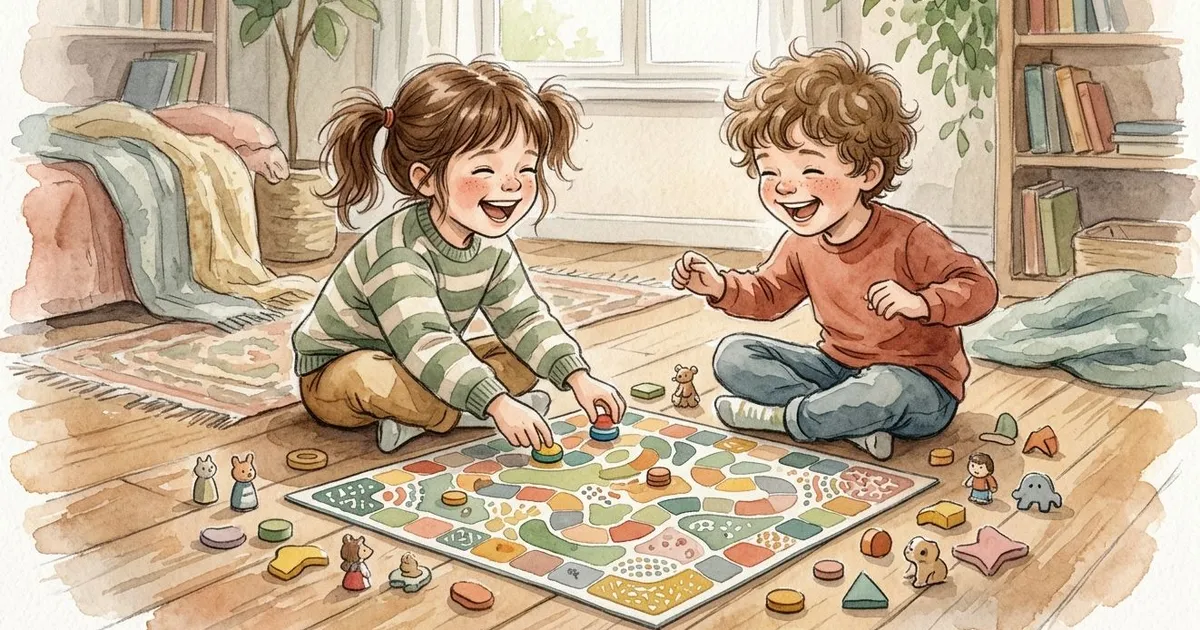
Choose four pairs: sun/son, sea/see, flower/flour, and night/knight. Draw or print eight pictures. Say one sentence, such as “The knight has a horse.” Your child picks the picture, repeats the sentence, then makes a new sentence with the matching sound word.
Practice Ideas for Home
Use homophones in short, frequent practice. Three minutes after school or before a lesson is enough. Pick one sound, say two words, and ask your child to make two tiny sentences: “I know the answer. No, thank you.” This feels lighter than a worksheet and adds speaking practice.
Reading aloud helps too. When your child meets a sound-alike word in a book, pause only if it matters. Ask, “Does this mean a place, a number, or an action?” Keep reading smooth while building attention.
For spelling, group words by meaning, not sound. Put sea with beach, water, boat, and fish. Put see with eyes, look, watch, and find. English Words That Sound the Same: Examples and Activities for Kids should help children sort ideas, not just memorise pairs.
Common Mistakes to Expect
The frequent mistake is choosing by sound alone. A child hears “write” and writes right because both sound correct. This is not laziness; it is a normal stage. Ask for the sentence around the word. “Can you write your name?” needs the action word, so write wins.
Another mistake is teaching too many pairs at once. Long lists push children to guess. Revisit a small set over several days: two/too, see/sea, right/write, here/hear. Add new pairs only when the old ones appear in speech or reading with less help.
Some children over-correct. After learning there and their, they change every there into their. Keep correction calm and specific: “This sentence tells us a place, so we need there.” The child needs a reason, not a red mark.
- Try three homophone pairs with ages 6-8 using picture cards today.
- Practice hear, here, to, two, and too in five silly sentences.
- Use a correction routine: pause, compare ideas, then choose the right spelling.
- Read one page aloud from Frog and Toad, spotting sound-alike words.
- Review mistakes after homework by sorting wrong words into two meaning columns.
When a word has several meanings or pronunciations, Cambridge Dictionary is a useful check before turning it into child-friendly examples.
Frequently Asked Questions
How Many Same-sounding Words Should My Child Learn at Once?
For a young child, start with three to five pairs. For an older or confident reader, eight to ten pairs work if the words appear in sentences. The aim is not to finish a list. It is to help your child hear one sound and choose the right sense from context.
Are Homophones Too Hard for a 5-year-old?
No, if the work is oral and visual. A 5-year-old does not need the term homophone yet. Use pictures, toys, and sentences such as “I see the sea.” Formal spelling can wait until the child has enough reading experience to notice that one sound may have two written forms.
Should We Correct Every Homophone Spelling Mistake?
Correct the mistakes that affect the message, especially in finished writing. During early drafts, mark only one or two patterns so the child keeps the flow of ideas. Ask, “Which idea do you want here?” That keeps the child thinking instead of copying a correction.
How Can We Use This the Child in Weekly Practice?
Use English Words That Sound the Same: Examples and Activities for Kids as a small weekly routine. On day one, introduce two pairs with pictures. On day two, read sentences. On day three, ask your child to write or say their own examples. Keep the same pairs for a week, then add two new ones.
Start your child's English journey today — book a trial lesson with LearnLink.
Stay updated on our latest tips and resources by following us on Instagram LearnLink.