Learning English with Netflix for Kids
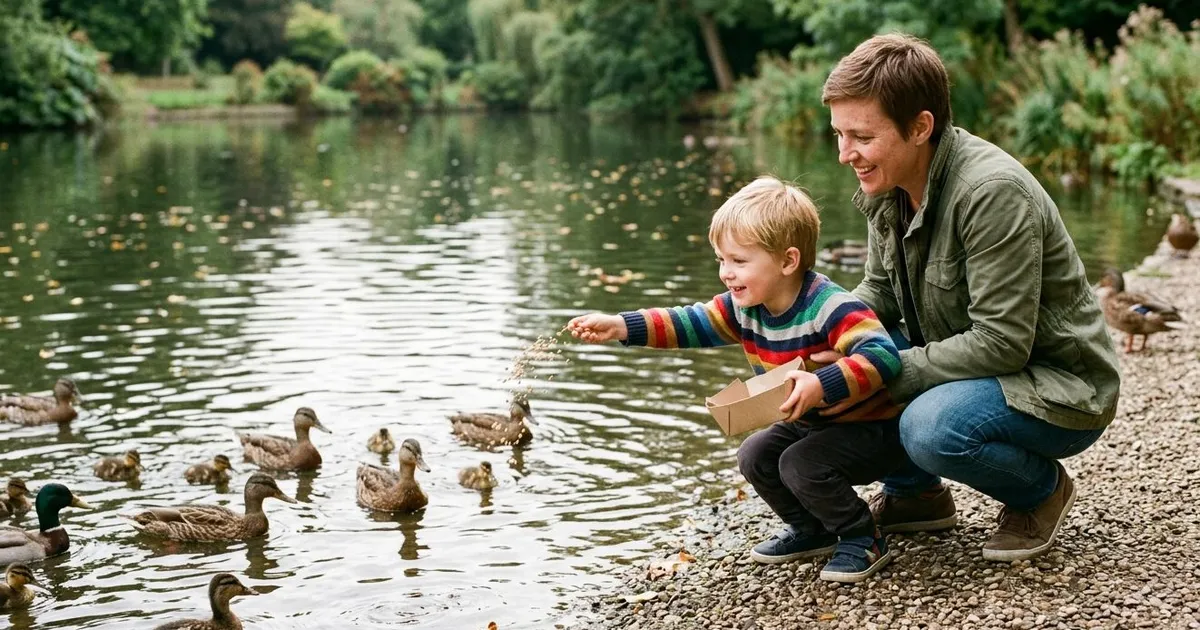
Netflix can support children’s English learning when families use it as a short, active listening routine, not background screen time. This guide to learning english with netflix for kids shows how to choose a show, set subtitles, pause with purpose, and turn a 10-minute episode into language practice. The aim: your child hears real English in a safe setting, then says a few words or phrases aloud. For ages 4-15, parents should match the show to age, attention span, and English level.
📥 Netflix English Phrase Cards for Kids
Useful words and short phrases to practice before, during, and after watching a child-friendly show.
Leave your email — we'll send the PDF to your inbox.No spam — the PDF plus one short reminder. Unsubscribe anytime.
What Families Need to Know First
Netflix is not a full English course. It does not check pronunciation, adapt to gaps, or guide speaking. It can give children more contact with natural English voices, story language, classroom phrases, jokes, songs, and everyday words. That contact helps when planned.
For learning english with netflix for kids, the rule is “small and active.” A five-year-old may use six minutes of one scene and three new words. A twelve-year-old may watch a full episode and retell the plot. In both cases, learning comes from listening, noticing, and using language after the pause.
Bilingual and multilingual families do not need to separate English from the child’s whole language life. Discuss the story in your home language first, then ask for one English word, one sentence, or one line repeated with feeling.
Choose Shows with Clear Language
Start with shows that have direct plots, repeated phrases, and clear speech. Animation often suits younger children because the story is visual. Older children may prefer science, cooking, sports, mystery, or school-life shows. The right title is one your child can follow without feeling lost.
Before using a show for learning english with netflix for kids, watch two minutes yourself. Check speech speed, background noise, slang, emotional tone, and fit with family rules. A calm show with repeated lines usually beats a fast show with shouting, sarcasm, or heavy cultural references.
Use Netflix maturity ratings as one input, not the only decision. Age labels vary by country and title. Fear level, humour, reading skill, and attention span matter too. A child learning English may need a lower-language-level show than their age suggests.
Subtitles, Dubbing, and Audio Choices
Subtitles can help or distract. For beginners, home-language subtitles may keep the story understandable, but the child may read instead of listen. English subtitles connect sound and spelling, yet may be too fast for early readers. A repeated-viewing routine lets families change settings with purpose.
Do not switch settings every minute. Choose one short scene and one aim: “We are listening for colours,” “We are listening for feelings,” or “We are listening for one sentence we can say later.”
How to Use This at Home
A home routine has three parts: before, during, and after. Before watching, name the topic: “This episode is about food,” or “Listen for animal words.” During the scene, pause once or twice. Too many pauses break the story and make English feel like a test.
After watching, ask for output that fits age. A young child can point and say “red,” “dog,” or “happy.” A child aged 8-10 can answer “Who is scared?” or “What happened first?” A teenager can explain whether a character made a fair choice. Here, learning english with netflix for kids becomes practice, not just watching.
If your child studies with LearnLink tutors, keep a short note of words from shows and bring them into lessons. Across LearnLink lessons, tutors help children turn heard phrases into spoken English, with correction and age-appropriate practice.
Examples by Age
For school-age kids, use songs, short scenes, and strong visuals. Choose one language aim: colours, animals, toys, family words, greetings, or actions such as “run,” “jump,” and “sleep.” Keep it playful. Ask your child to copy one sound, act out one verb, or hold up a toy when they hear its word.
For school-age kids, children can handle story talk. Try: “Who helped?”, “Where are they?”, “What is the problem?”, and “What do they want?” This age group often enjoys collecting phrases from favourite characters. Write three lines on paper and practise them with different voices.
For school-age kids, move toward opinions, reasons, and summary. Ask for a 30-second retell, a character description, or a short debate: “Was the ending fair?” Teens can compare subtitles with what they heard, spot idioms, and build a personal phrase list from family-approved shows.
Practical Activities After Watching
Keep activities short enough to finish. The goal is not to turn every show into homework. Two to seven minutes after a scene is enough for most children. Rotate listening, speaking, reading, and writing so the routine stays fresh.
For learning english with netflix for kids, use concrete tasks: “Find three food words,” “Say one sentence about the character,” “Draw the place and label five things,” or “Tell the same scene in four steps.” If your child resists speaking, begin with pointing, matching, or choosing between two answers. Speech often follows security.
Family Scene Replay
Choose a 60-second scene. Watch it once for the story. Watch it again and pause after one useful line. Everyone repeats the line with the same feeling: surprised, happy, worried, or proud. Then your child changes one word to make a new sentence.
Make “show vocabulary” on the fridge or in a notebook. Add only five words per week. Review them in normal family talk: “Where is the blue cup?”, “Who is hungry?”, “Can you open the door?” Small reuse beats a long list.
Common Mistakes to Avoid

The first mistake is leaving English audio on for long periods and hoping the child will absorb it. Some children pick up sounds, but many tune out. Active viewing works better: short scene, clear task, quick language use.
The second mistake is choosing shows that are too hard because they match the child’s age in a stronger language. A nine-year-old who reads well in Spanish, French, Hebrew, or German may still need beginner English input. Language level and age are not the same.
The third mistake is correcting every error after watching. Choose one focus. If the aim was animal words, do not correct every verb form. If the aim was retelling, listen for meaning first. Children speak more when adults respond to the message before the mistake.
- Choose one 20-minute episode for ages 6-8 and preview tricky vocabulary first.
- Pause after each scene and ask your child two simple prediction questions.
- Use English subtitles for familiar shows, not first-time episodes or tired evenings.
- Practice five new words with drawings, gestures, and one bedtime sentence.
- Repeat the same episode twice before switching to a new Netflix title.
When a word has several meanings or pronunciations, Cambridge Dictionary is a useful check before turning it into child-friendly examples.
Frequently Asked Questions
How Much Netflix Time Is Useful for English Practice?
For most children, 10-20 minutes is enough for one English routine. Younger children may do better with one short scene. Older children can watch a full episode if they have a task before and after. Learning english with netflix for kids works best when screen time includes a speaking or listening goal.
Should My Child Watch with English Subtitles?
Use English subtitles when your child can read them without losing the story. For early learners, try English subtitles on a repeated scene, not the first viewing. If the child only reads and stops listening, turn subtitles off for a minute and ask them to listen for one word or phrase.
Can Netflix Replace English Lessons?
No. Netflix can give listening input, but it cannot guide speaking, check errors, plan grammar growth, or adapt to confidence and age. It works best beside structured lessons, reading, play, and real conversation. Treat it as practice material, not the whole learning plan.
What If My Child Only Wants Subtitles in Our Home Language?
Start there if it keeps the story relaxed. Then add a small English task: listen for one name, one colour, one greeting, or one repeated phrase. Over time, replay short scenes with English subtitles or no subtitles. A gradual shift is better than a sudden rule that makes watching stressful.
Start your child's English journey today — book a trial lesson with LearnLink.
Stay updated on our latest tips and resources by following us on Instagram LearnLink.