Online English Speaking Course for Kids
An online english speaking course for kids means live or guided practice that gets children speaking English aloud, not merely reading or watching. For ages 4-15, strong courses build speaking habits: answering questions, naming choices, telling short stories, asking for help, discussing real interests. The right course gives children structure, safety, play, so speech feels natural. This guide shows how to choose an online english speaking course for kids, what lessons need, and how parents can support progress at home without turning family time into school time. A good online english speaking course for kids turns passive English into usable speech.
Why Speaking Needs Its Own Course
Children may recognise English words before using them aloud. They may sing songs, watch cartoons, finish app tasks, then freeze when an adult asks, “What did you do today?” Speaking demands listening, word choice, sentence building, and real-time delivery.
An online english speaking course for kids should give regular short speaking turns. For a 5-year-old, that may mean naming colours, toys, food, and feelings. For a 10-year-old, it may mean explaining game rules. For a teenager, it may mean giving an opinion, asking follow-up questions, sustaining longer conversation. An online english speaking course for kids should match speaking load to age, attention span, confidence.
What a Strong Online Course Should Include
Choose lessons where your child speaks early and often. A tutor should not spend most class time explaining grammar while your child listens. Strong lessons run in loops: hear a model, try it, get gentle correction, try again, use it in a new task.
Across LearnLink online lessons, our tutors work with children aged 4-15 through general English speaking tasks matched to age and level. Younger learners need songs, pictures, movement, routines. Older learners need age-respectful topics: hobbies, school life, travel, books, games, technology, sport, music, plans.
A strong online english speaking course for kids balances accuracy with confidence. Correct every sentence, and children speak less. Correct nothing, and mistakes become habits. Selective correction works best: fix the lesson target, then let your child keep talking.
How to Choose the Right Format
Families often compare live lessons, self-paced apps, group clubs, and video channels. Each format can help, yet each serves a different role. Speaking grows fastest when a child must answer a real person, not only tap a screen.
Use this table to match format with your child’s need. Many families combine two options: one live online english speaking course for kids for speech practice and one light activity for extra listening or vocabulary. If speaking drives your goal, make the online english speaking course for kids the core activity, then use apps or videos as support.
A Step-By-Step Speaking Plan
Start with an 8-12 week goal. A young beginner might learn to answer, “What is it?”, “What colour is it?”, and “Do you like it?” An older beginner might learn to introduce themselves, describe a picture, and ask three basic questions.
Next, choose a lesson rhythm your family can keep. Two shorter weekly lessons often suit young children better than one long lesson. A child tired after school may speak more on weekend mornings. Consistency beats intensity.
Then add one tiny home routine. After each lesson, ask your child to teach you three words or one sentence. Keep it light. The aim is not testing; it helps English appear outside lessons calmly and normally. This routine helps an online english speaking course for kids connect with daily life.
Practical Speaking Tasks by Age
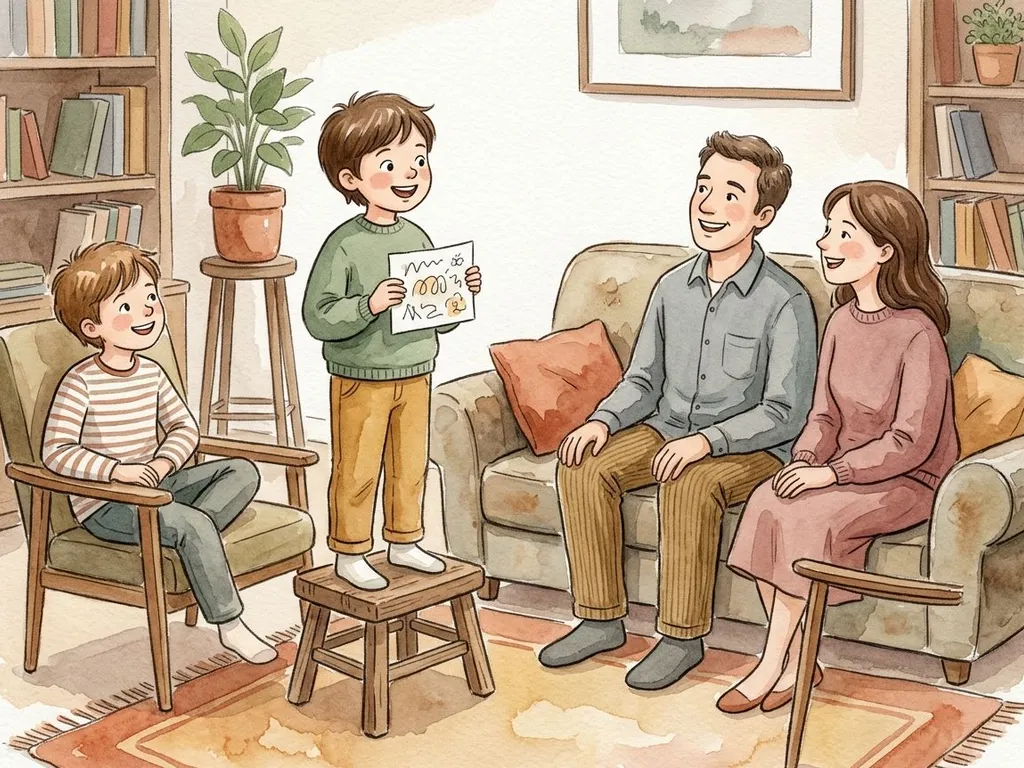
For school-age kids, speaking tasks should be short, concrete, playful. Prompts include “Show me something red,” “Is it big or small?”, “What animal is this?”, and “I like bananas. Do you?” At this age, a correct one-word answer can mark real progress.
For school-age kids, children can build small sentences and explain choices. They can describe a picture, compare two animals, choose a favourite character, or say what they do before school. The tutor can model sentence frames such as “I like ___ because ___” or “First I ___, then I ___.”
For school-age kids, work should feel older. Children can discuss short videos, plan a weekend, compare school subjects, explain game rules, or give an opinion. A strong online english speaking course for kids should not give a 13-year-old babyish tasks just because their English level is low.
How Parents Can Support Without Taking Over
Parents do not need to become home English teachers. Children often speak more freely when parents step back during lessons. If your child feels safe and settled, let the tutor lead. Too much side prompting can make a child wait for help instead of trying.
After class, ask one warm question: “What did you say today?” or “Show me one thing you learned.” Accept short answers. If your child says, “I talked about animals,” you can answer, “Good. Which animal?” This keeps English linked to conversation, not pressure.
For multilingual families, avoid treating another home language as a problem. A child who already uses two or three languages has language strengths: listening, switching, guessing meaning, noticing patterns. The course should build on that strength while giving English regular space.
Signs the Course Is Working
Speaking progress often looks uneven. A child may speak well one week and seem quiet next week. That does not always signal course failure. Tiredness, topic choice, school stress, or a new grammar point can affect speech.
Track small signs over time. Your child answers faster. They use a phrase from a previous lesson. They ask “What does it mean?” instead of giving up. They correct themselves. They speak a little more on familiar topics. These signs matter more than one perfect sentence.
After several weeks in an online english speaking course for kids, you should see a lesson path. The tutor should know what your child can do now and what comes next: more vocabulary, longer answers, pronunciation, question practice, storytelling, or freer conversation.
Try a Five-Minute Speaking Check
Choose one picture from a book, website, or family album. Ask your child three questions: “What can you see?”, “What is happening?”, and “What do you like?” For beginners, accept words and short phrases. For stronger speakers, ask one follow-up question: “Why?” Write down one phrase your child used well and one phrase to practise next time.
Common Mistakes When Choosing a Course
The first mistake is choosing by screen design alone. Bright games can help young learners, but a speaking course must still create real speech. If your child only clicks, matches, and repeats single words, speaking growth stays limited.
The second mistake is pushing grammar before confidence. Grammar matters, especially for older children, but spoken English begins with practical chunks: “Can I have…?”, “I don’t know,” “I think…”, “My favourite is…”, and “Can you repeat, please?” These phrases help children stay in conversation.
The third mistake is expecting instant fluency. Speaking develops through small turns. A focused online english speaking course for kids gives your child repeated practice with familiar language, then stretches them step by step.
When a word has several meanings or pronunciations, Cambridge Dictionary is a useful check before turning it into child-friendly examples.
Frequently Asked Questions
How Many Lessons per Week Does a Child Need?
For most children, one or two live lessons per week makes a sensible start. Younger children often do better with shorter, regular sessions. Older children can manage longer lessons when topics feel age-appropriate and speaking time stays high. Add light home review, but keep it brief.
Can a Beginner Start with Speaking Lessons?
Yes. A beginner can start speaking from the first lesson if tasks stay simple enough. They may begin with words, gestures, yes-or-no answers, and repeated phrases. The tutor should build speech through pictures, models, choices instead of asking open questions too soon.
What Should I Do If My Child Is Shy?
Choose a calm tutor, predictable lesson routines, and topics your child already likes. Shy children often speak more when they can point, choose, draw, or answer in short phrases first. Avoid correcting every mistake at home. Confidence grows when your child can try without feeling put on the spot.
Is an Online English Speaking Course for Kids Better than an App?
An app can help with vocabulary and daily review, but live speaking practice does a different job. In an online english speaking course for kids, your child must listen to a real person, answer, ask, repair mistakes, and keep conversation going. For speaking, that human exchange is hard to replace.
How Can I Tell If the Level Is Right?
The right level feels slightly challenging, not stressful. Your child should understand the main task, answer with support, and leave with one or two new phrases they can use again. If they stay silent for most of the lesson or seem bored by too-young tasks, ask for an adjustment.
Quick Recap and Next Steps
Choose a course that puts your child’s voice at the centre. Look for live interaction, age-appropriate topics, steady routines, kind correction. A well-run online english speaking course for kids helps children speak through small, practical steps, then revisit those steps until they feel natural.
Before deciding, watch your child during a trial lesson. Do they speak at least a little? Does the tutor adapt? Are tasks clear? Do you see a path for the next few weeks? Those answers tell you more than any long feature list. The best online english speaking course for kids should leave your child feeling heard, guided, and ready to try again.
- Try one 15-minute demo lesson with your child this week.
- Practice five everyday phrases during breakfast, playtime, and bedtime.
- Read one simple picture book aloud three times together.
- Use a puppet to model short answers for school-age kids.
- Choose an online english speaking course for kids with live teacher feedback.
Start your child's English journey today — book a trial lesson with LearnLink.
Stay updated on our latest tips and resources by following us on Instagram LearnLink.